September 15, 20265 min readMental Health

How to Manage Student Stress Before It Becomes Burnout

Chronic academic stress runs on a different mechanism than a single stressful week. Research on coping style, self-efficacy, and burnout shows what actually breaks the cycle.

Rachel Stein

Last reviewed: August 2026

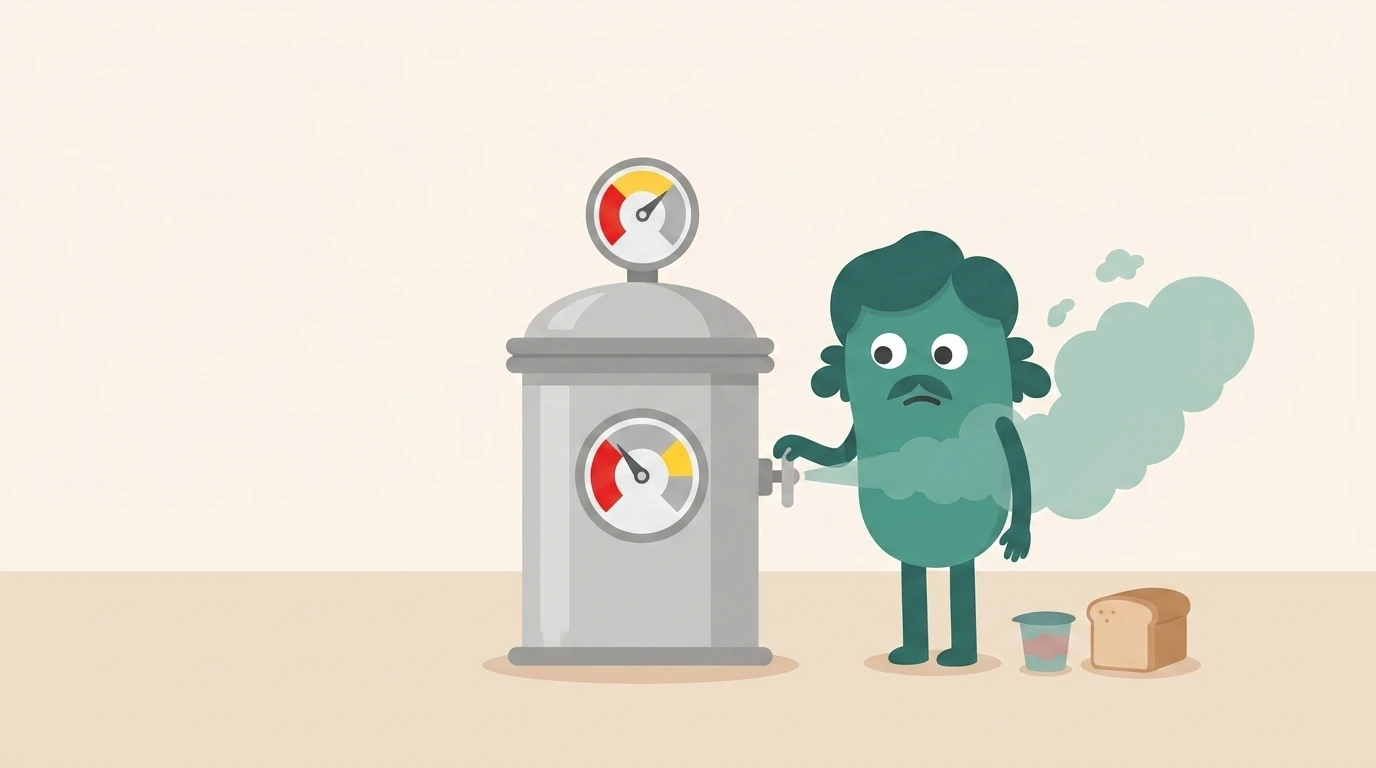
Illustration for the article: How to Manage Student Stress Before It Becomes Burnout

What makes student stress build into burnout instead of passing on its own?

A study of 2,720 middle school students found academic stress was negatively correlated with academic self-efficacy and positive coping style (r = -0.37 and -0.30, both p < 0.001), and positively correlated with negative coping style (r = 0.32, p < 0.001). More specifically, coping style significantly mediated the relationship between self-efficacy and stress, with positive coping accounting for 47.38% of the total effect and negative coping accounting for 18%. This means the difference between stress that stays manageable and stress that compounds toward burnout isn't mainly about how much work you have. It's about which coping style, active problem-solving versus avoidance and self-blame, you default to when the workload shows up.

Why does one bad week turn into weeks of feeling behind?

Chronic student stress, unlike a single stressful event, runs on a feedback loop rather than a single spike. The 2,720-student study found that low academic self-efficacy predicted more negative coping, and negative coping predicted higher academic stress, which in turn tends to further erode confidence in your ability to handle the next task. Each piece feeds the next one. A single hard week doesn't burn you out. A pattern where low confidence leads to avoidance, avoidance leads to a bigger backlog, and the backlog further lowers confidence, is what turns a rough stretch into something that doesn't resolve on its own.

This is why "just get through this week" advice often doesn't work for chronic stress the way it does for a single deadline. The mechanism sustaining the stress is the coping pattern itself, not the specific assignment in front of you this week.

Does phone use make chronic academic stress worse, or is that a symptom of it?

A three-level meta-analysis covering 79 studies, 115 effect sizes, and 68,162 participants found a moderate positive correlation between academic burnout and problematic smartphone use (r = 0.438, 95% CI [0.409, 0.467]). Because this is correlational data pooled across many studies, it doesn't establish which direction causes which, and the researchers note the relationship varied by measurement instrument and year of data collection. What it does establish, at a scale of over 68,000 participants, is that burnout and heavy phone use travel together consistently enough to treat them as connected, not separate, when managing chronic stress. If phone use has crept up during a stressful stretch, that's a reasonable signal to check for burnout underneath it, not just a habit to correct in isolation.


Related Challenges & Plans

Does test anxiety compound with everyday academic stress?

A comparison of 239 undergraduates found test anxiety significantly mediated the relationship between broader trait anxiety and academic performance specifically in students with typical-functioning specific learning disabilities (SLD), while the typically developing group showed no significant mediation at all. This matters for chronic stress because it shows the same academic pressure lands very differently depending on a student's underlying profile. A course load that's manageable stress for one student can be a compounding burnout risk for another, and the difference isn't effort or attitude, it's a measurable difference in how anxiety interacts with performance for that student's specific profile.

Does building self-regulation actually reduce the stress, or just help you push through it?

A nationwide study of 88,149 adolescents in China found self-regulated learning (setting goals, tracking your own progress, adjusting your approach) was positively linked to academic achievement, and that this relationship ran through a two-way loop with academic emotions: better self-regulation improved emotional experience, and better emotional experience supported further self-regulation. The researchers describe this as a genuine cycle, not a one-time push. This is a meaningfully different claim than "try harder." It suggests that building small, repeatable self-regulation habits, checking in on your own progress rather than just grinding through tasks, changes the emotional experience of the work itself over time, not just the output.

What actually reduces chronic student stress, based on the research?

Build positive coping deliberately, because it's doing most of the work. Since the 2,720-student study found positive coping style accounted for nearly half the total mediation effect between self-efficacy and stress, actively practicing problem-focused responses, breaking a backlog into a concrete next step, asking for help on a specific piece, does more to reduce stress than trying to will yourself into feeling less stressed directly.

Treat rising phone use as a stress signal worth checking, not just a habit to white-knuckle away. Given the 68,162-participant meta-analysis found burnout and problematic phone use consistently linked, a noticeable increase in scrolling during a stressful stretch is worth treating as information about your current stress load, not purely a discipline lapse to fix in isolation.

Get your specific profile assessed rather than applying generic stress advice. Since the SLD comparison study found the same academic pressure produced very different anxiety-performance effects depending on a student's profile, a workload that's sustainable stress for a peer might not be for you, and that's a measurable difference, not a personal shortfall.

Build small self-regulation habits, not bigger effort. Since the 88,149-student study found the recursive loop between self-regulation and academic emotion, a short weekly check-in on your own progress, what's working, what's stuck, is a lower-effort intervention than trying to grind harder, and it targets the actual mechanism the research links to reduced stress over time.

Interrupt the coping pattern early, before the backlog grows. Since negative coping and low self-efficacy reinforce each other in the mediation model, catching the pattern in week two of a hard stretch, and deliberately choosing a problem-focused response even a small one, is easier than trying to break it in week eight once the backlog and the self-doubt have both compounded.

Where to start today

Pick the one task on your list you've been avoiding longest, and take a single concrete, problem-focused step on it today, not the whole thing, just the next piece. That's the coping style the research found carries the most weight against chronic stress, and starting there breaks the pattern before it has room to compound into something heavier.

Next time you search, our newest guide shows up.

Sources

Topics

AI-ready summary

Chronic academic stress runs on a different mechanism than a single stressful week. Research on coping style, self-efficacy, and burnout shows what actually breaks the cycle.

Related Challenges & Plans

Keep reading