What Early Recovery Actually Feels Like
The first weeks of recovery often feel worse, not better, and that's not a sign you're doing it wrong. Here's what's actually happening underneath.
Dana KimRead →

39 posts in this category
Next time you search, our newest guide shows up.
The first weeks of recovery often feel worse, not better, and that's not a sign you're doing it wrong. Here's what's actually happening underneath.
A direct comparison of virtual and in-person recovery groups found that format didn't predict who stayed sober. Attendance did. Here's what that means for choosing a program.
Checking up on someone in recovery feels protective, but the research points the other way: connection lowers risk, surveillance pushes people toward hiding. Here's what to do instead.
The hours right after a relapse decide more than the relapse itself. Here is what to do instead of disappearing.
A 2026 meta-analysis of 125 treatment studies shows which interventions for problematic phone and social media use actually work, and which ones you've probably already tried.
Motivation for quitting pornography fails for a specific, researched reason, not a willpower shortage. The fix is changing why you're doing it and who knows you're doing it.
Another reset, another streak, another quiet failure. Research on motivation and recovery explains why willpower alone was never going to hold, and what does.
A 2026 study of 27 people in recovery found accountability drove sincerity and cut relapse by helping them become someone new, not just someone who abstains.
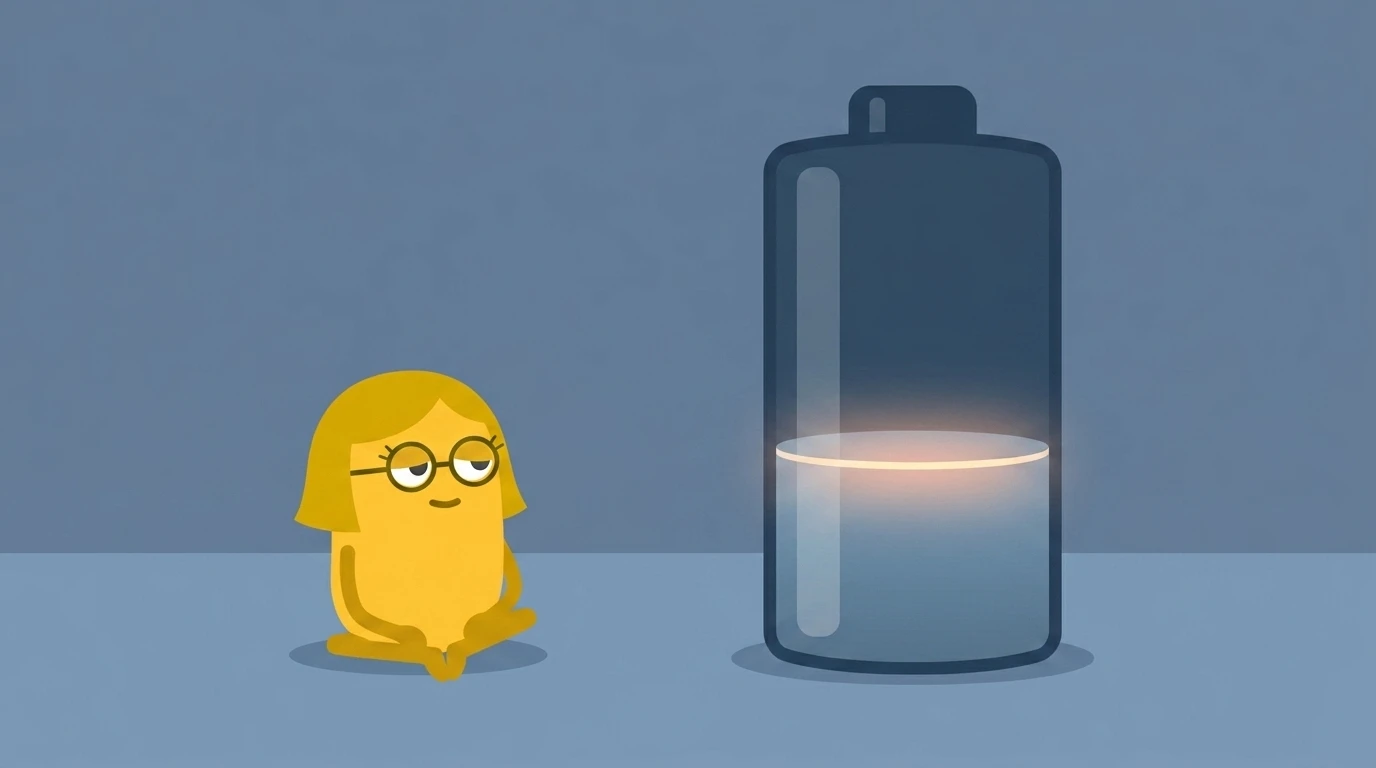
The exhaustion in early recovery isn't a motivation problem, it's a measurable dip in attention and reward response that fades as sleep and the brain's reward system stabilize.
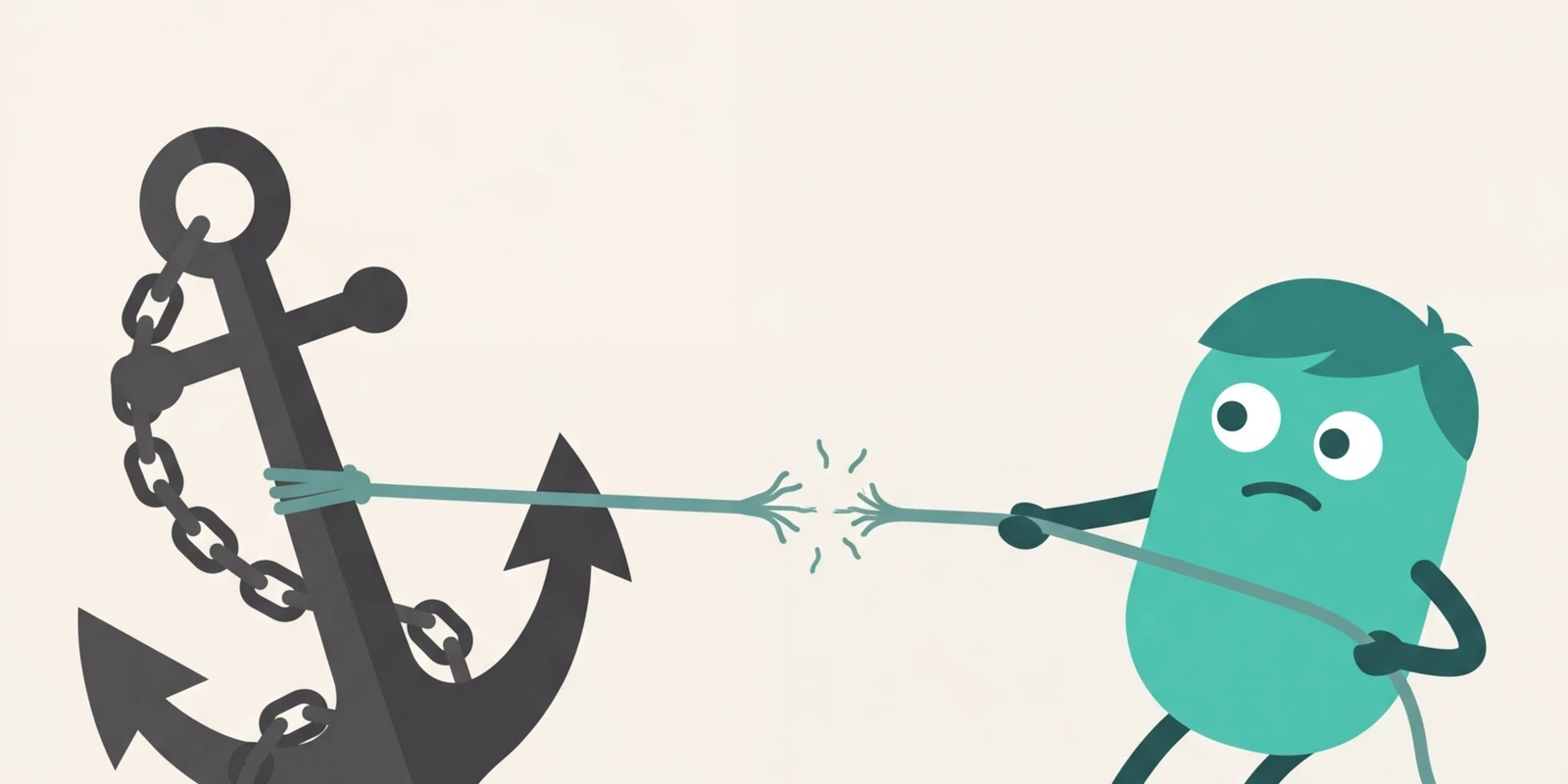
Addiction is not a willpower deficit — it is a structural brain condition that systematically dismantles the mechanisms willpower requires. The neuroscience is unambiguous, and understanding it changes everything about how recovery works.
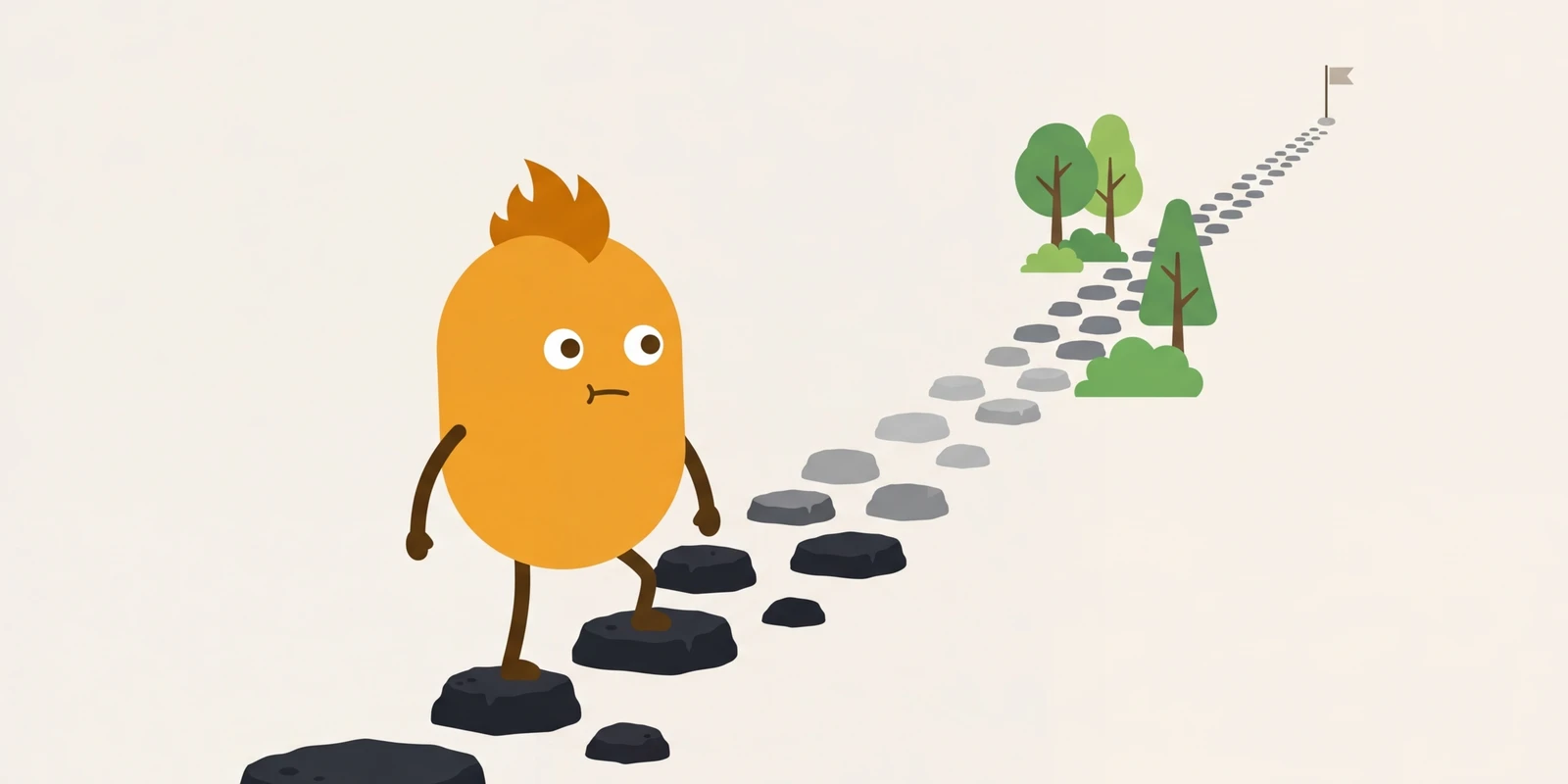
The first 30 days of addiction recovery are nothing like most people expect. From the pink cloud to the week-three wall to PAWS, here is what actually happens — and what helps people survive it.
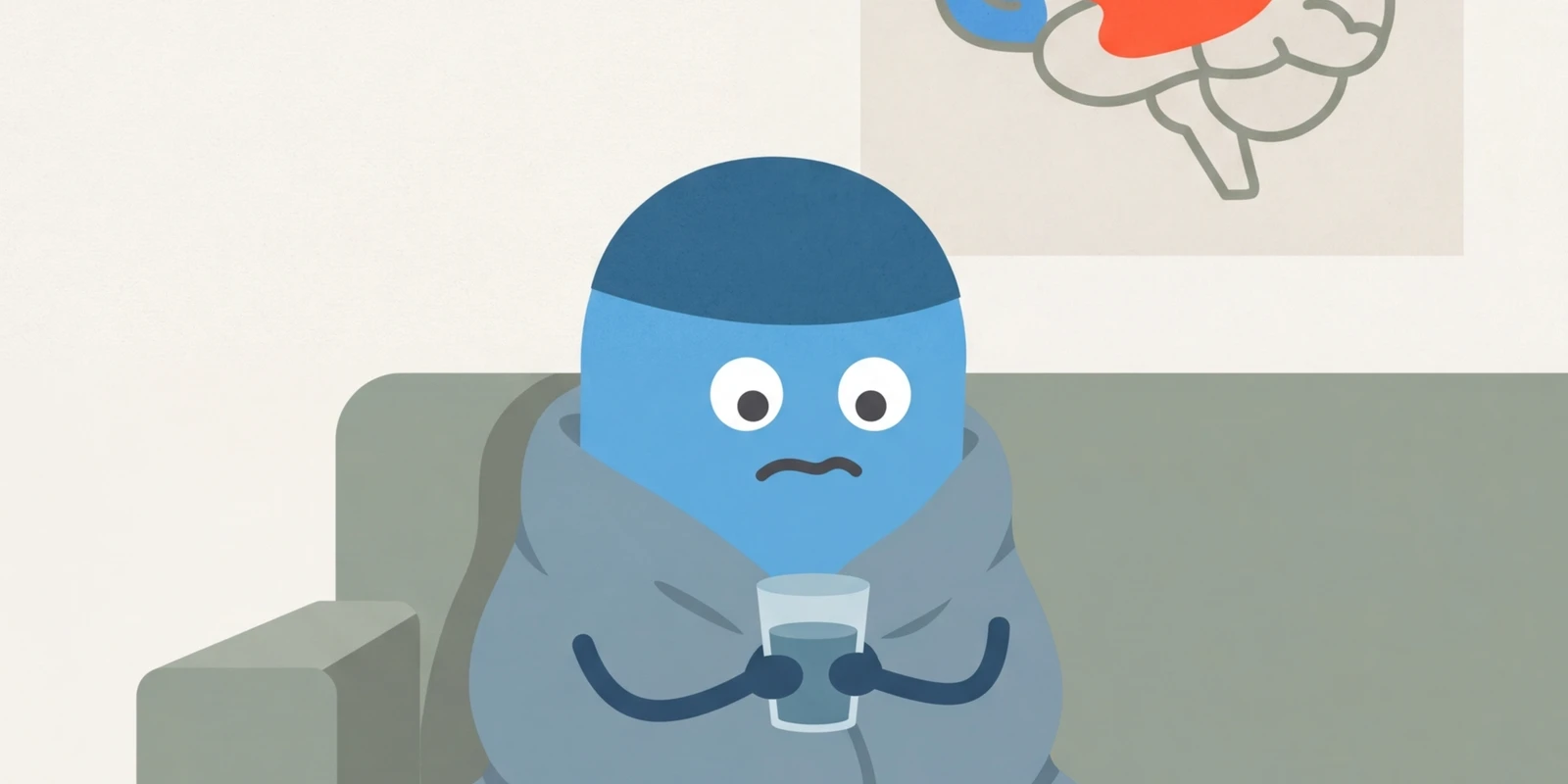
Withdrawal feels catastrophic because it is a real neurobiological crisis. Learn what dopamine depletion, CRF surges, and glutamate rebound actually mean for your brain — and why understanding the science helps people push through.
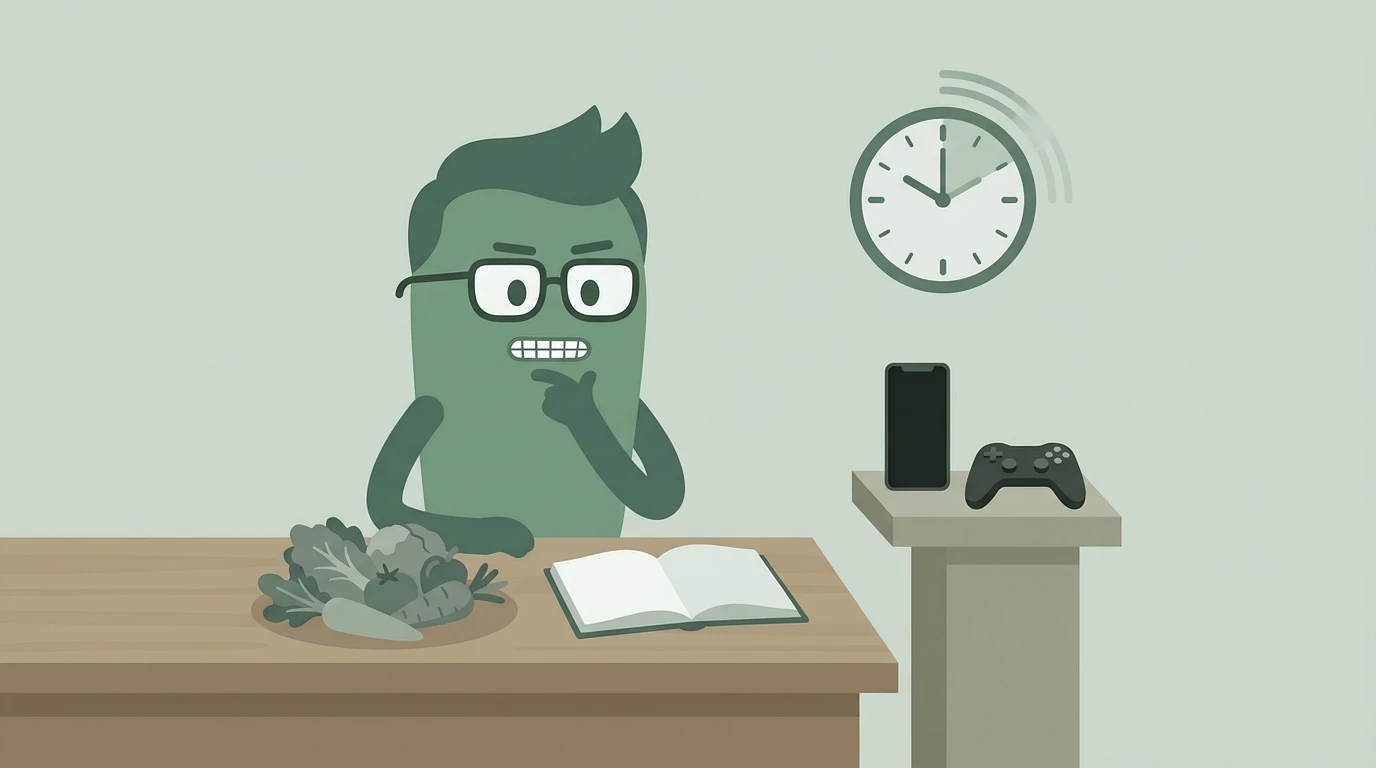
A structured 7-day dopamine detox challenge with specific daily actions — not vague advice. What to do each day, what to expect, and how to handle the hardest moments when your brain fights back.
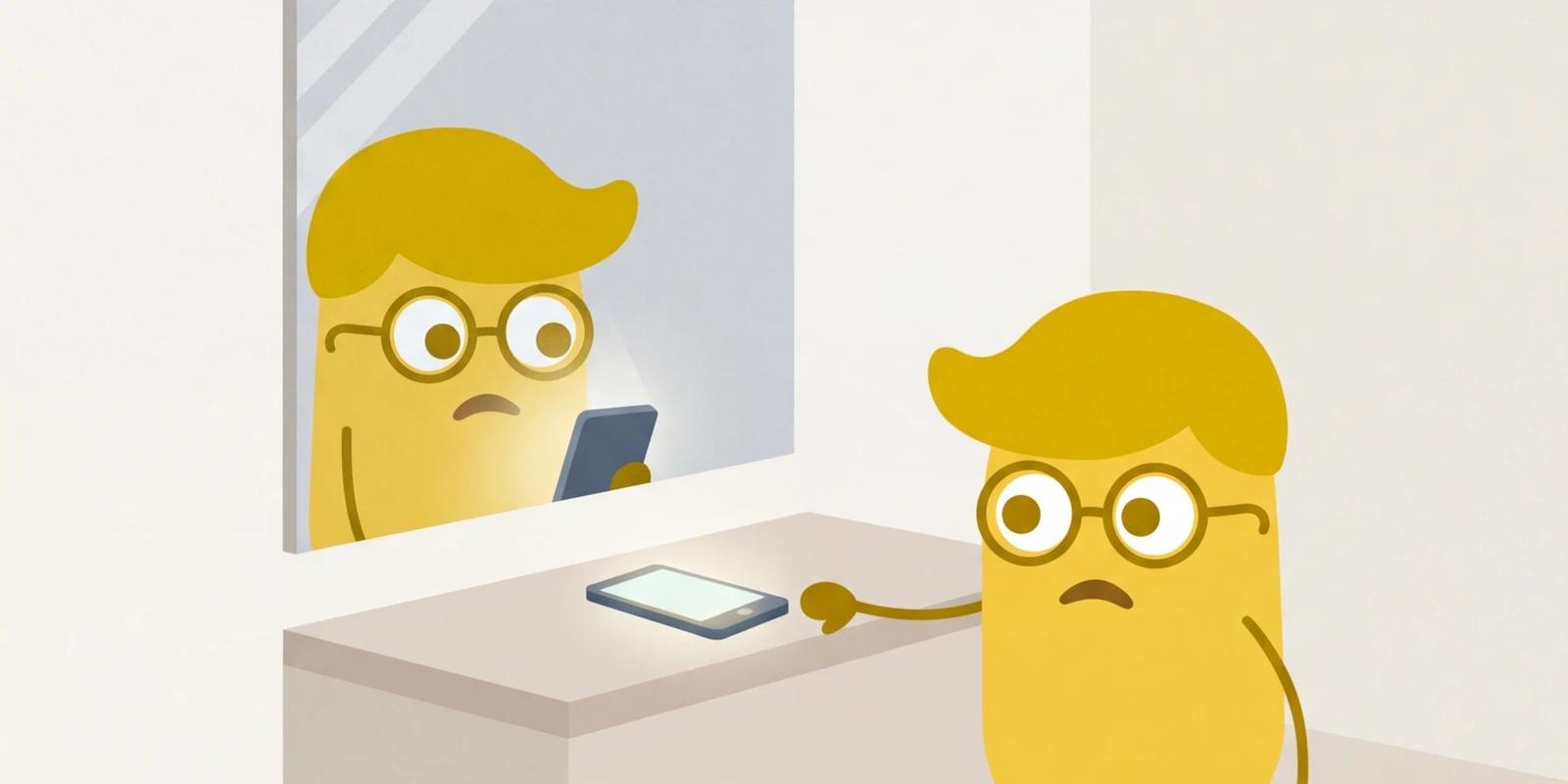
Porn addiction is defined not by how often you watch, but by compulsive use despite negative consequences — continuing when you've decided to stop, hiding use from people close to you, and finding that it's affecting your relationships, work, or mental health. Here are the 5 signs clinicians actually look for.
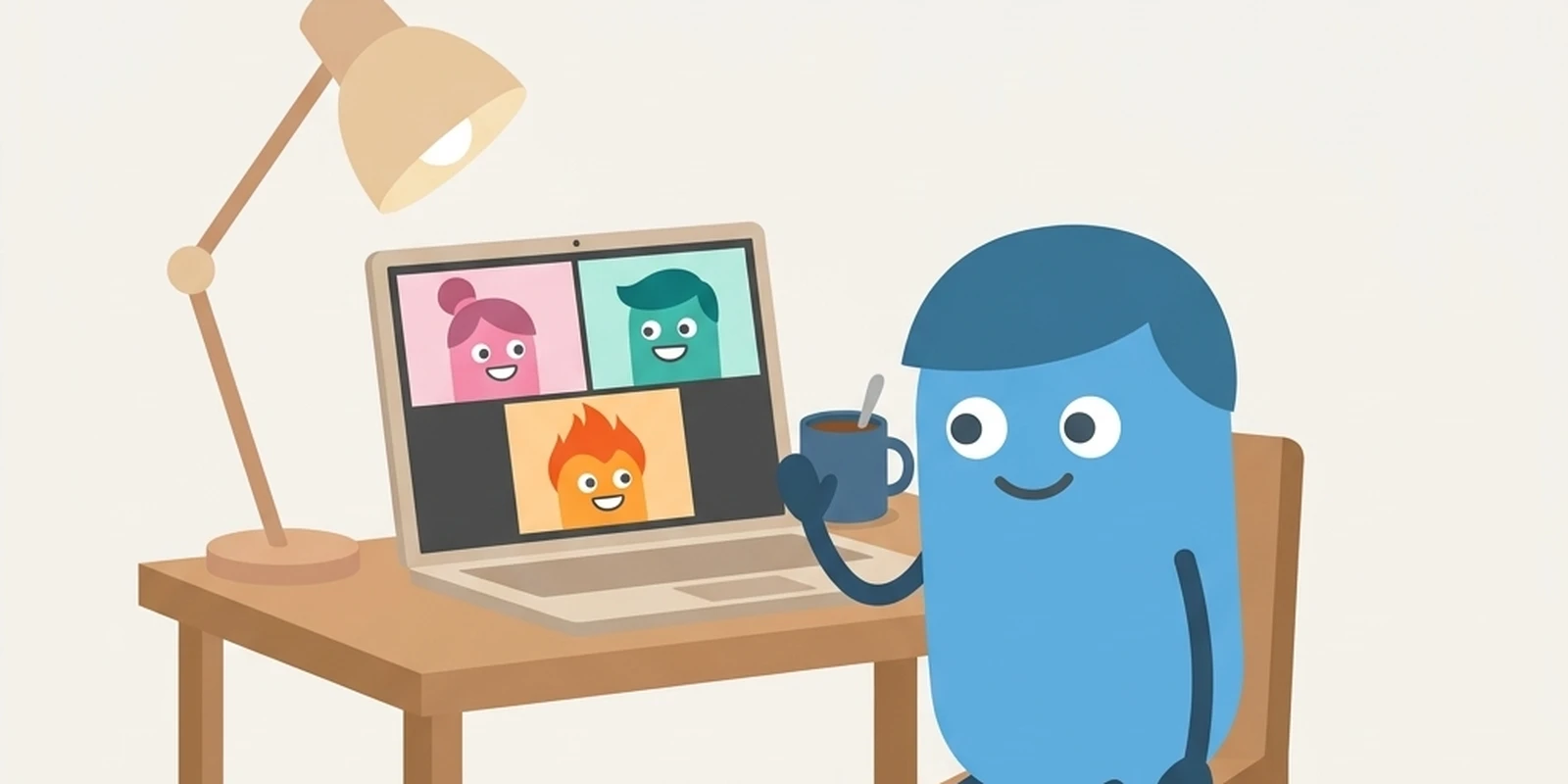
Online support groups for porn recovery range from moderated Reddit communities to structured programs with trained facilitators. The most effective aren't just places to vent — they provide consistent accountability, shared progress tracking, and the social structure that research shows is essential for lasting behavior change.
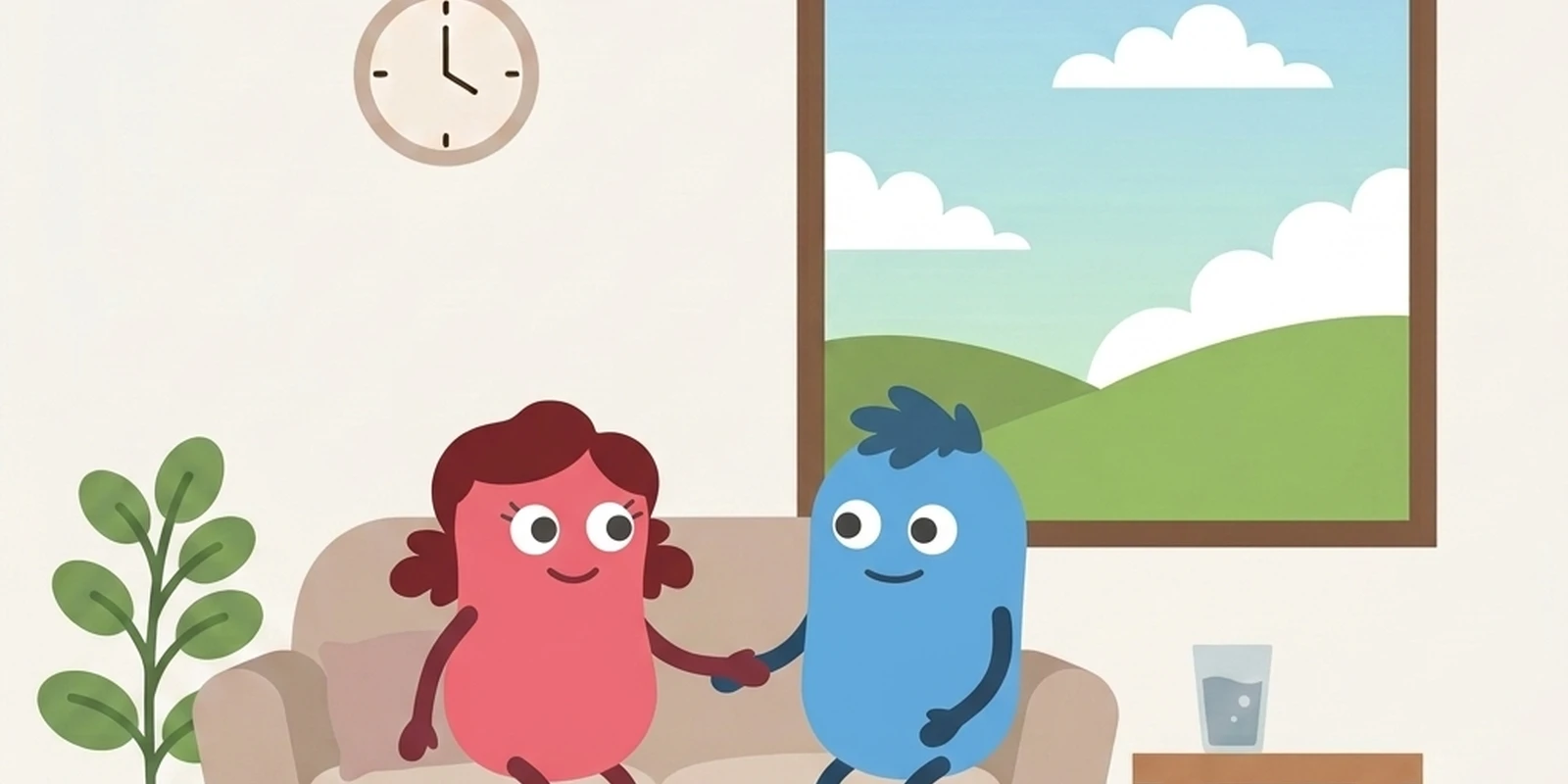
When pornography enters a marriage, it creates two parallel crises: one partner struggling with compulsive use, the other experiencing betrayal and eroded intimacy. Recovery requires both individuals to understand what happened, why, and what evidence-based healing actually looks like.
Faith-based porn recovery combines spiritual accountability, community support, and evidence-based behavioral change strategies. For Christians, quitting porn isn't just a habit change — it's a spiritual, relational, and neurological challenge that requires all three.
Porn addiction affects more people than most admit. Learn the signs of compulsive pornography use, the neuroscience behind the dopamine cycle, and five evidence-based strategies to break free — including the role of community and accountability.
Exercise reduces relapse rates, accelerates brain recovery from substance use, and treats the depression and anxiety that drive most relapses. Here's what 47 studies show about exercise as addiction treatment — and how to actually build the habit in recovery.
Boredom is consistently ranked among the top triggers for relapse in addiction recovery — yet it's rarely addressed with the same urgency as stress, social pressure, or emotional pain. Here's why boredom is so dangerous and what actually fills the void.
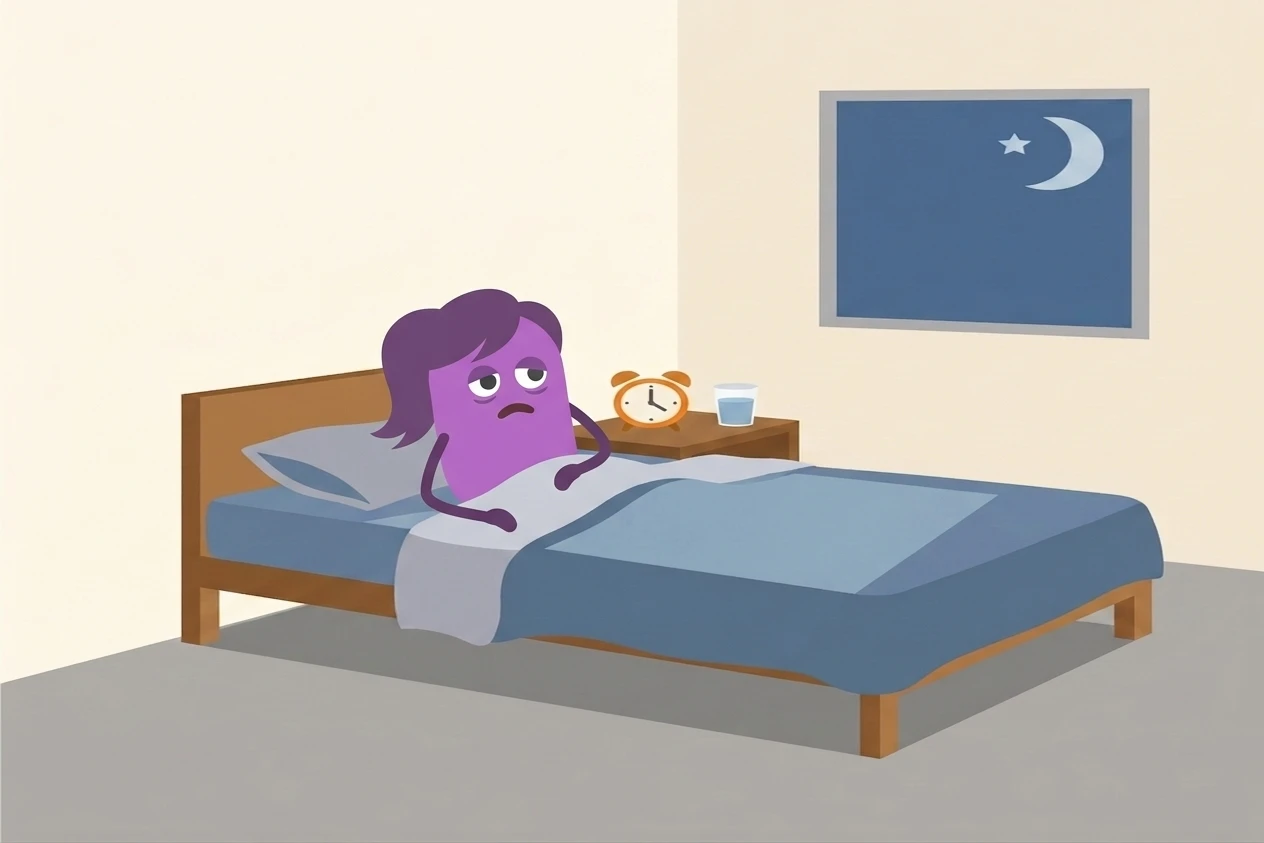
Alcohol sedates you but doesn't produce sleep — it produces a neurologically different state that suppresses REM sleep, causes rebound arousal at 3-4 AM, and leaves you more tired than if you hadn't drunk at all. Here's the science and what to do instead.
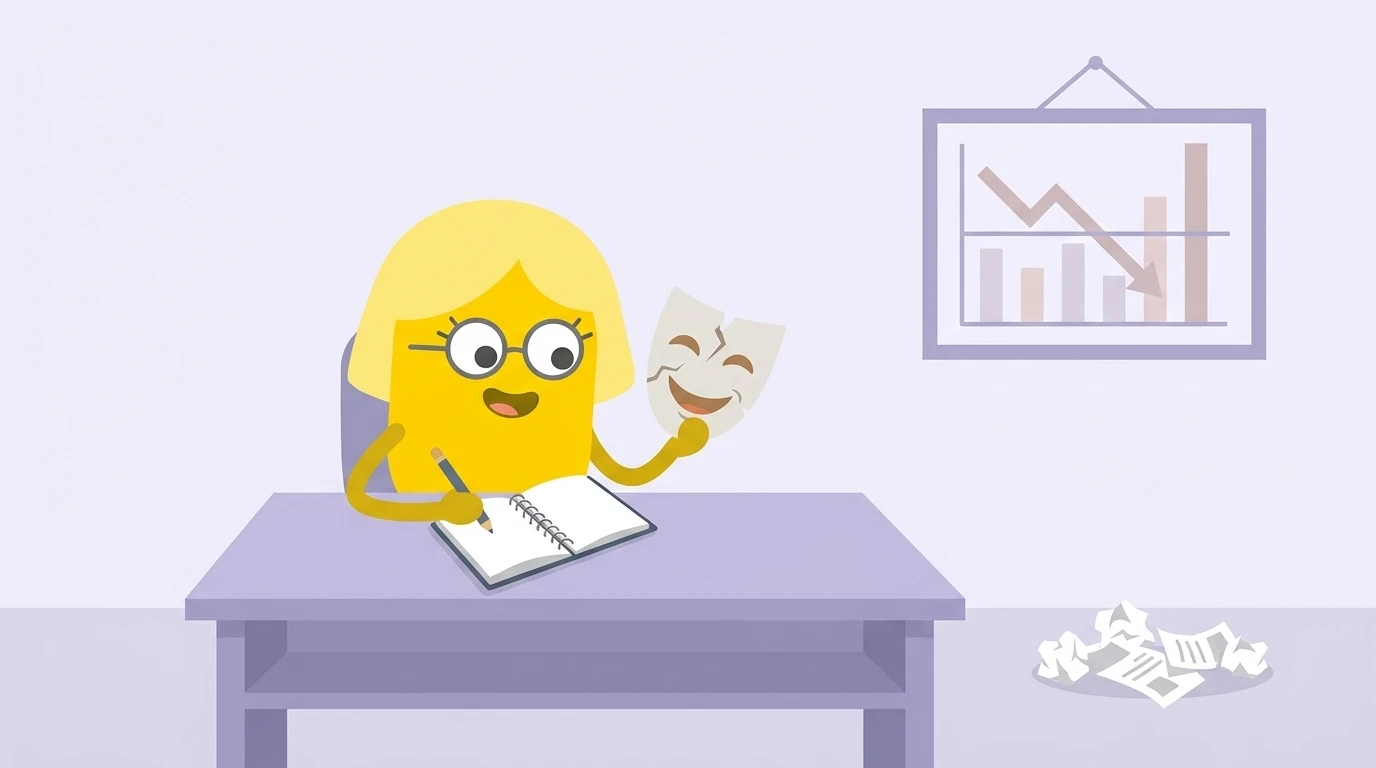
Gambling addiction hijacks the brain's reward prediction system so completely that 'one more bet' genuinely feels like the logical choice. Understanding the neuroscience explains why willpower alone fails — and what actually breaks the cycle.
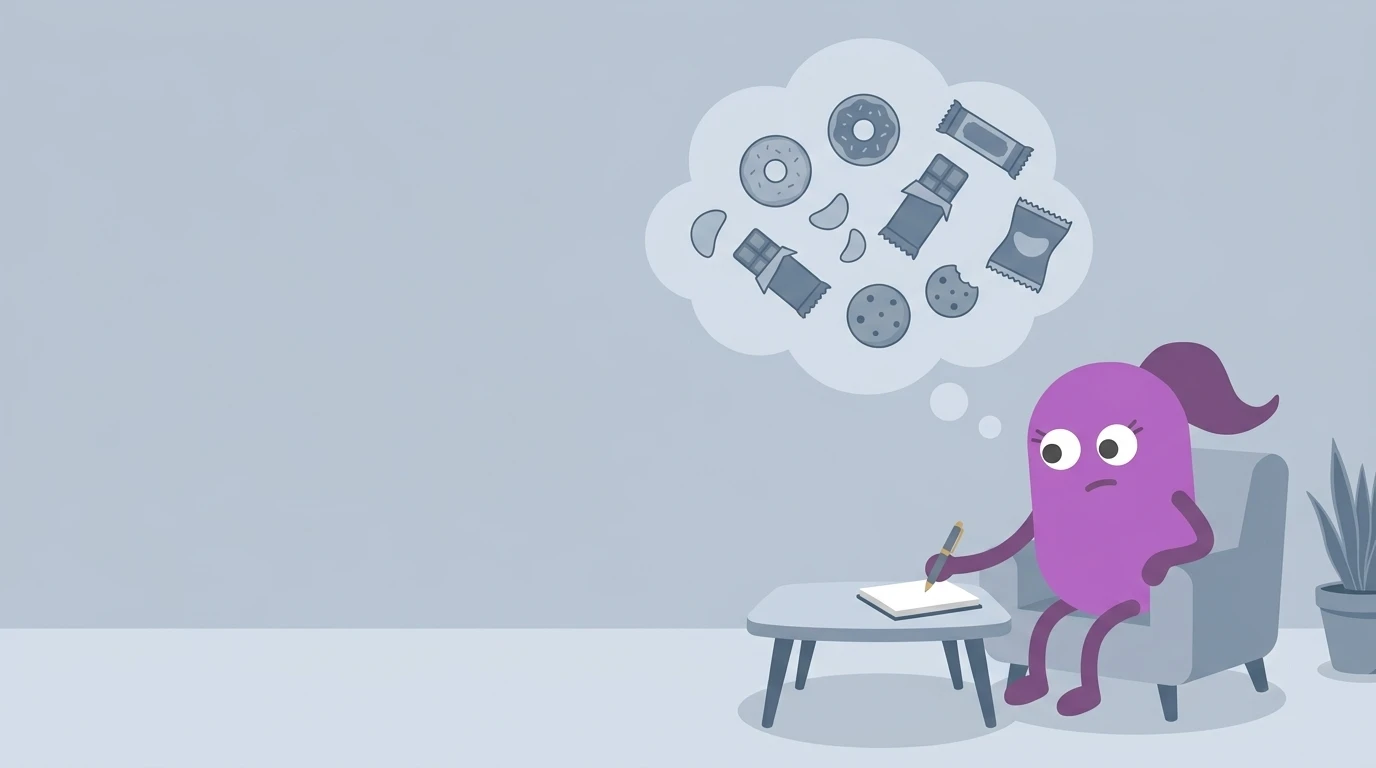
Sugar addiction is a real neurological phenomenon — not a lack of willpower. Research shows sugar triggers the same dopamine reward pathways as addictive drugs. Here's what the science says and what actually helps you quit the cycle.
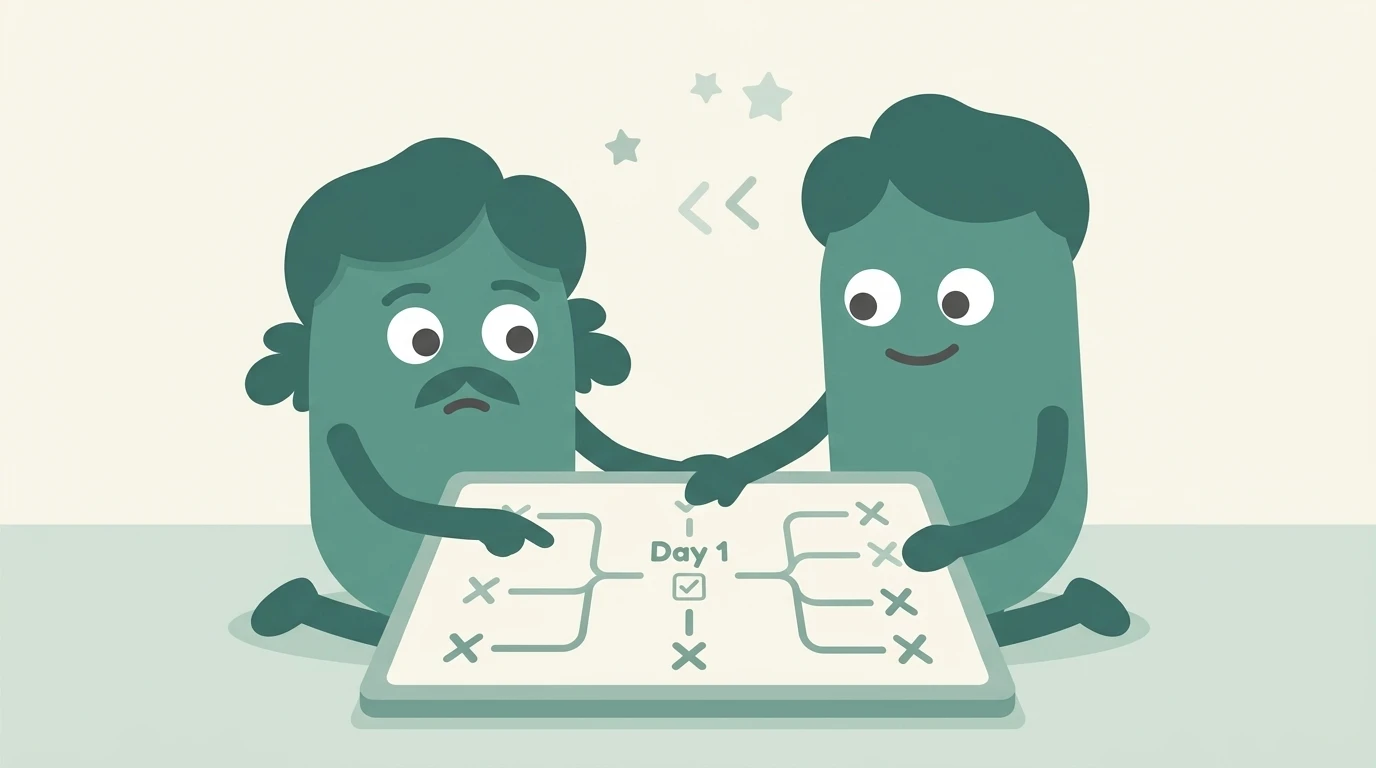
Accountability partners increase addiction recovery success rates by up to 95% according to research. Structured social support — not willpower alone — is what separates sustained recovery from repeated relapse cycles.
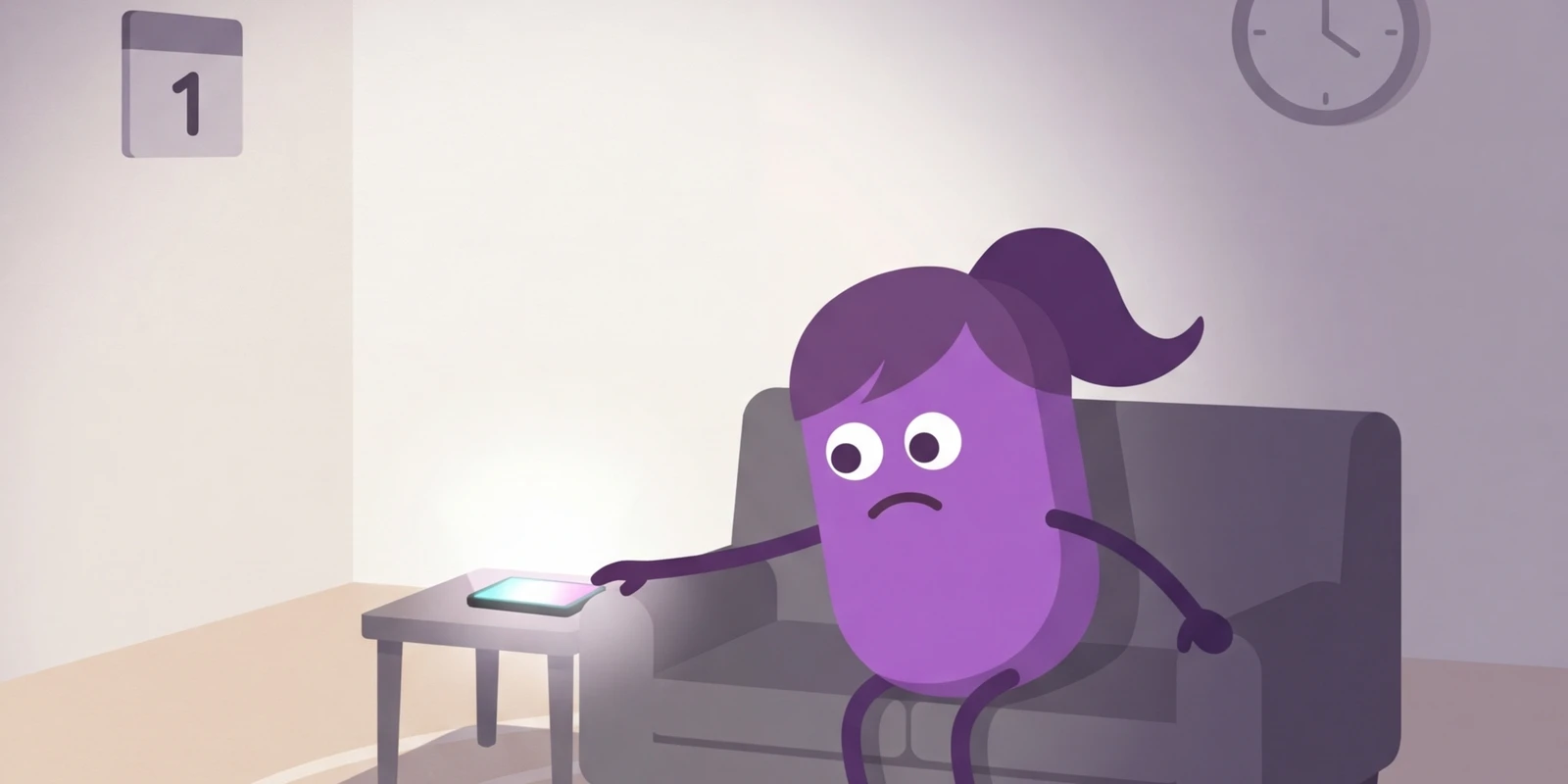
Relapsing doesn't mean you failed — it means your brain is doing exactly what addiction trained it to do. Here's the neuroscience behind why relapse happens, what makes it so predictable, and what the evidence says about breaking the cycle for good.
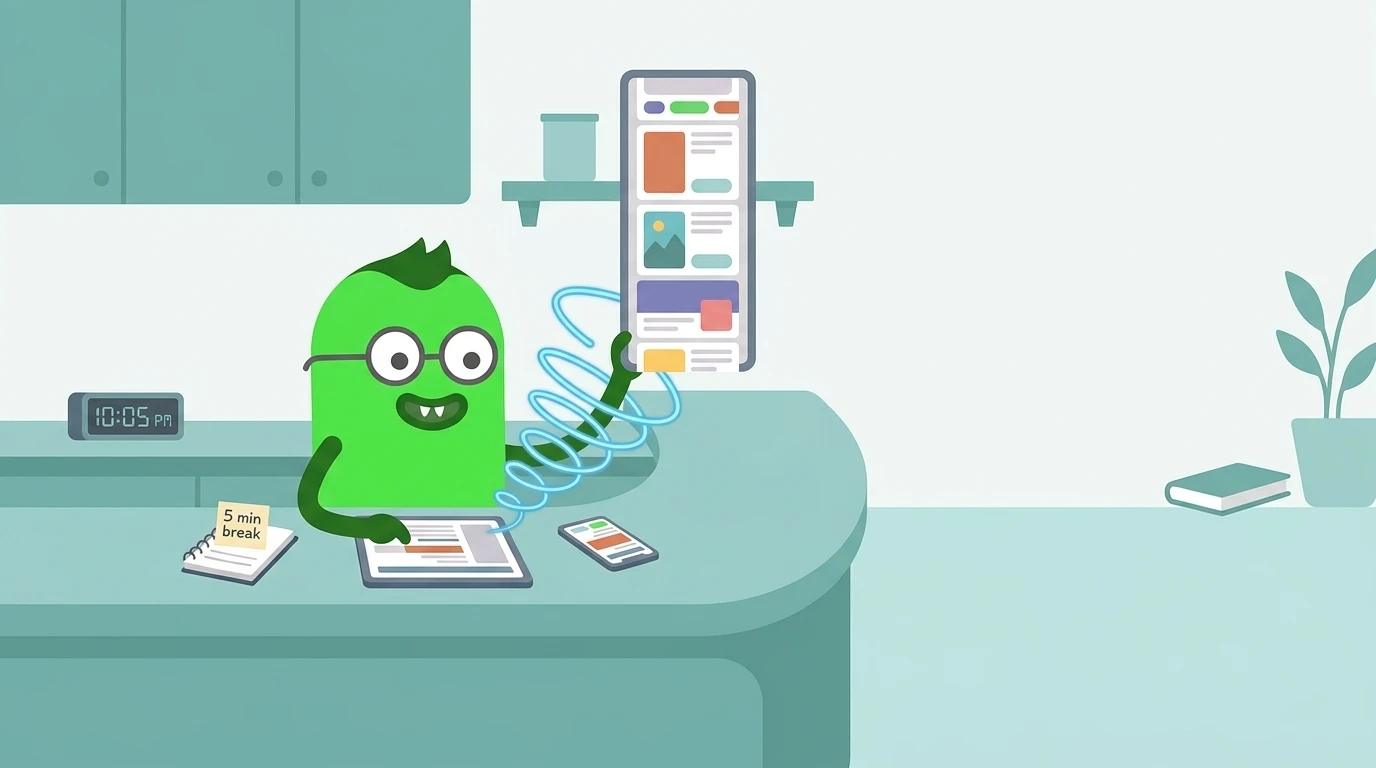
Social media addiction hijacks your brain's dopamine system through variable reward schedules — the same mechanism that makes slot machines addictive. Here's what the research shows about how it works and how to break the cycle.
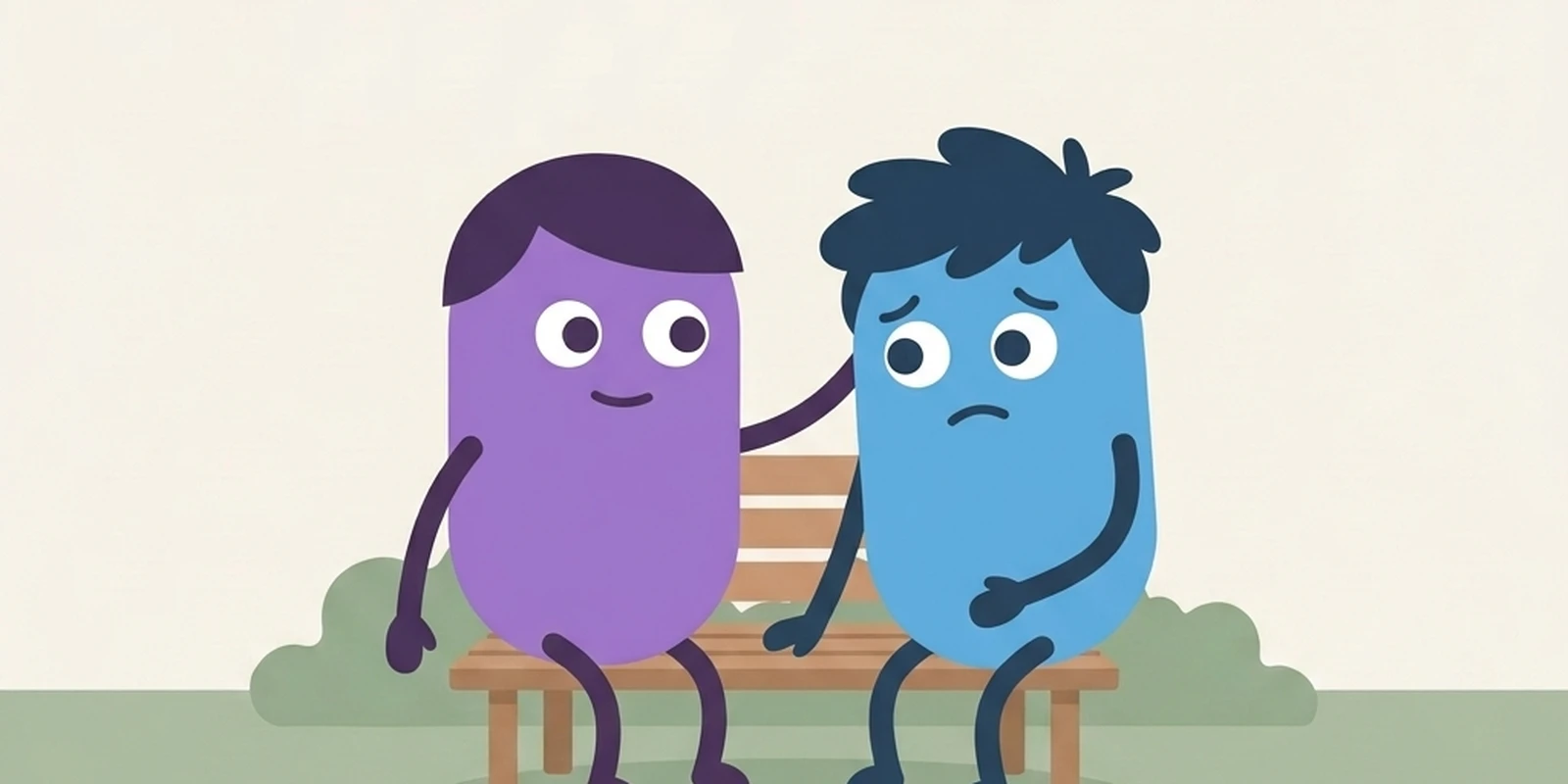
An accountability partner for porn addiction is the single most evidence-backed social intervention for recovery — more effective than willpower or apps alone. Here's what the research says and how to find one that actually works.
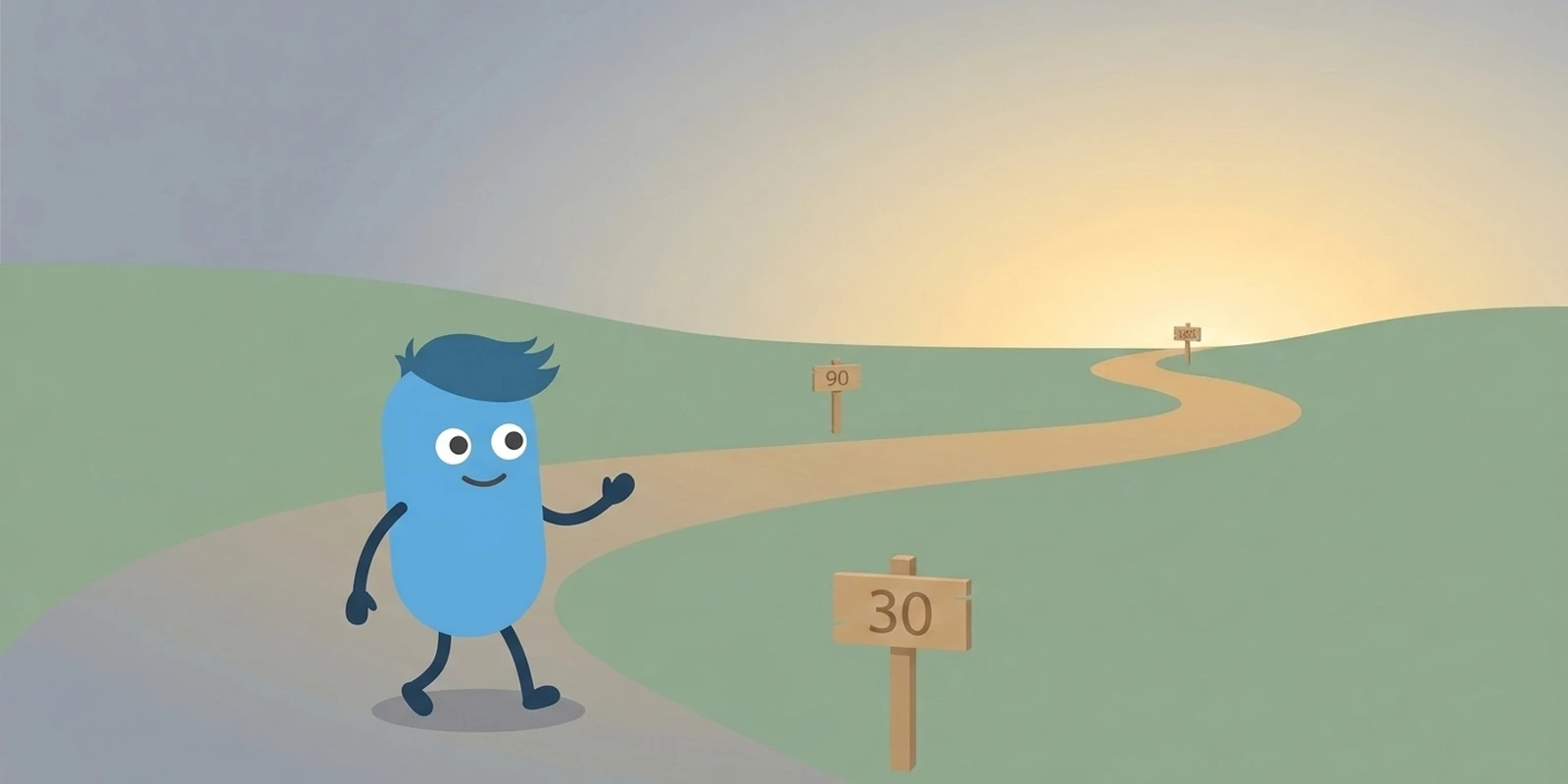
See the common porn recovery timeline by month, including withdrawal, flatline, cravings, libido changes, and signs that new habits are taking hold.
If you can't stop watching porn despite wanting to quit, it's not a willpower failure — it's neuroscience. Compulsive porn use rewires the brain's dopamine system the same way other behavioral addictions do. Here's what's happening and what actually helps.
Most men recover from porn-induced erectile dysfunction in 60-120 days of abstinence — the time required for dopamine receptors to upregulate. Younger men typically recover faster. Here is the week-by-week timeline and what to expect at each stage.
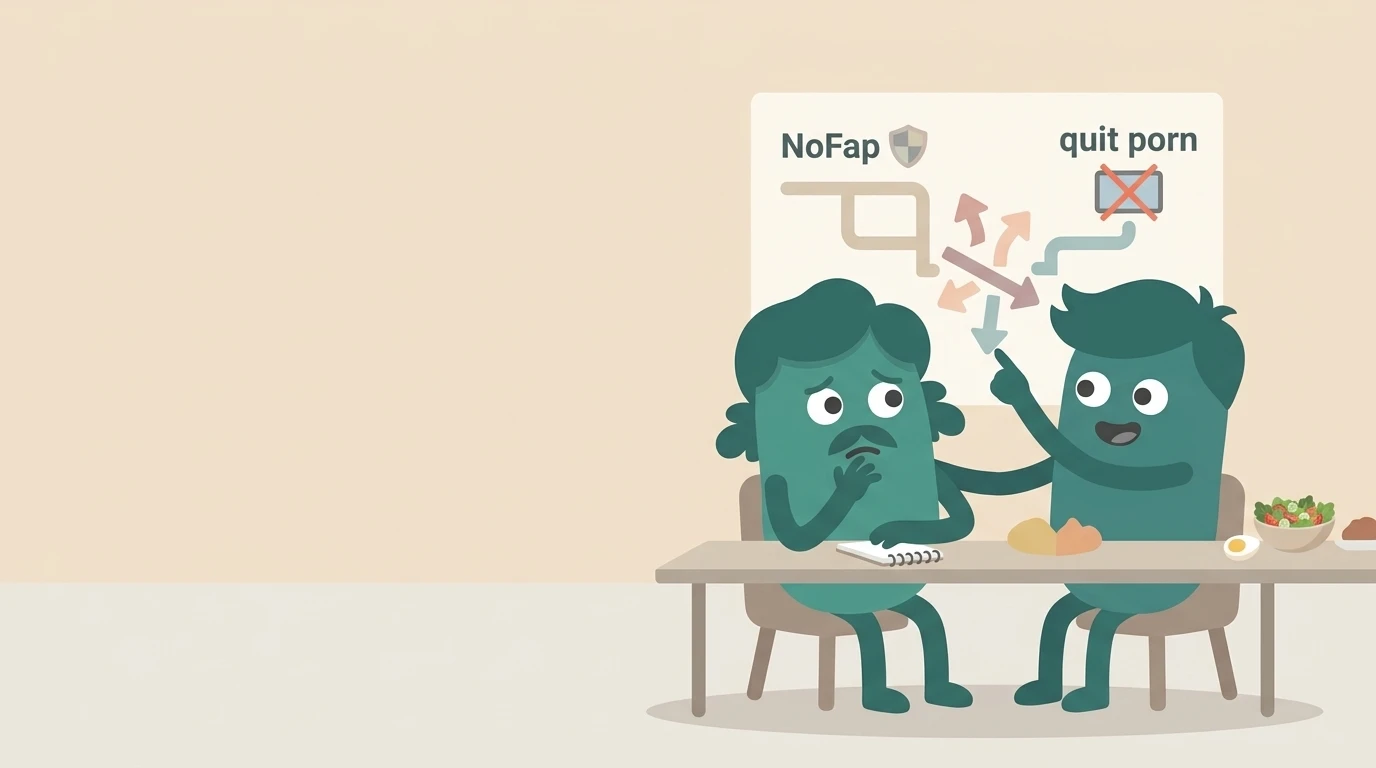
Understand what no porn means, how it differs from NoFap, and which approach fits porn recovery, cravings, and sexual reset goals.
Rewiring your brain from porn addiction takes 60–90 days for initial neurological changes, but meaningful recovery typically unfolds over 6–12 months. Here's what the research says about each stage and what actually accelerates healing.
A no-porn challenge produces measurable benefits: improved dopamine sensitivity, better erectile function, reduced anxiety, and stronger relationship satisfaction — most within 30–90 days of abstinence. Here's what the research actually shows.
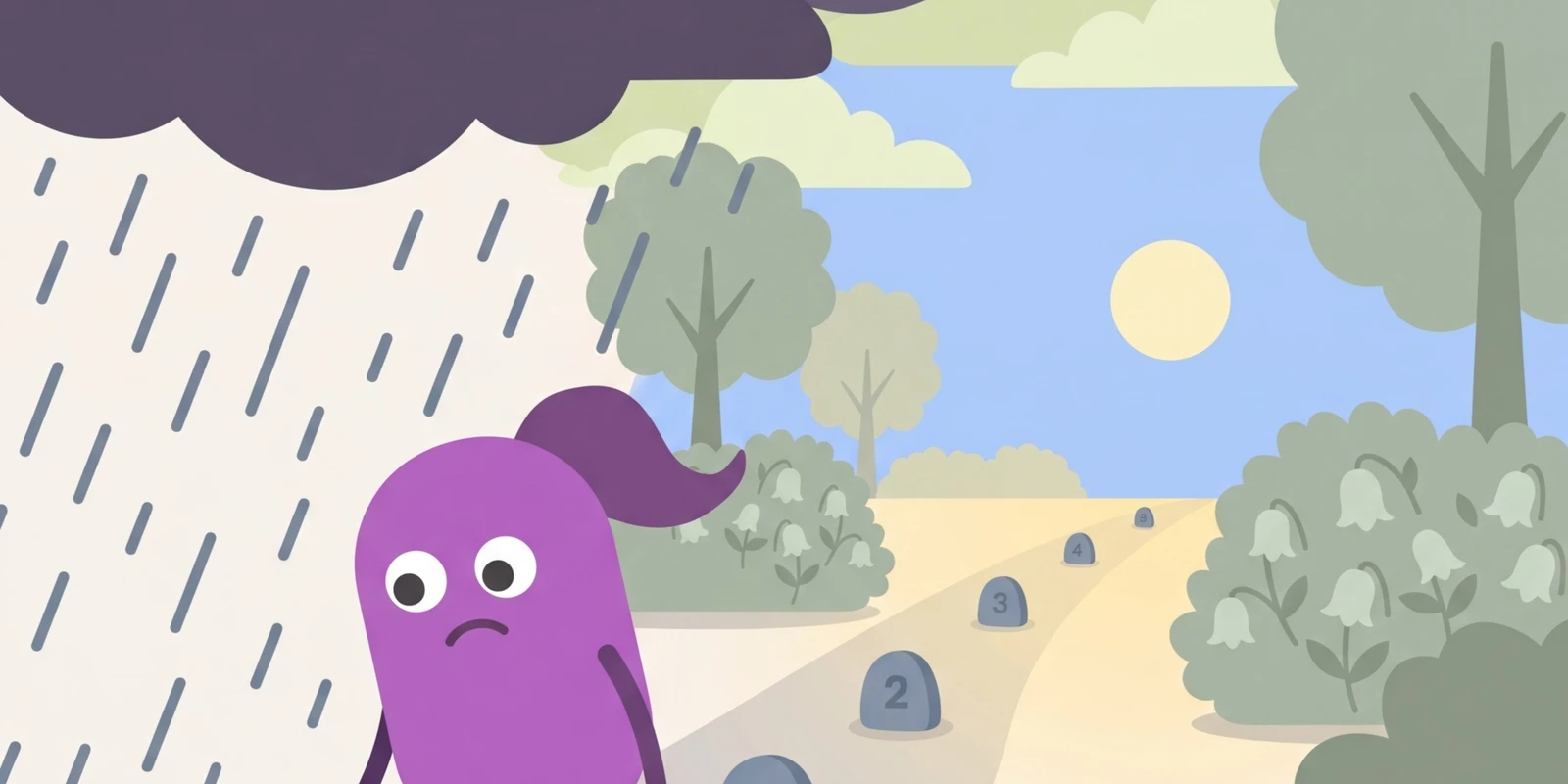
Porn addiction withdrawal is real. When you stop watching pornography after heavy use, your brain's dopamine system rebounds — causing mood swings, irritability, insomnia, and intense cravings. Most acute symptoms peak in the first 2-4 weeks and improve significantly within 90 days.
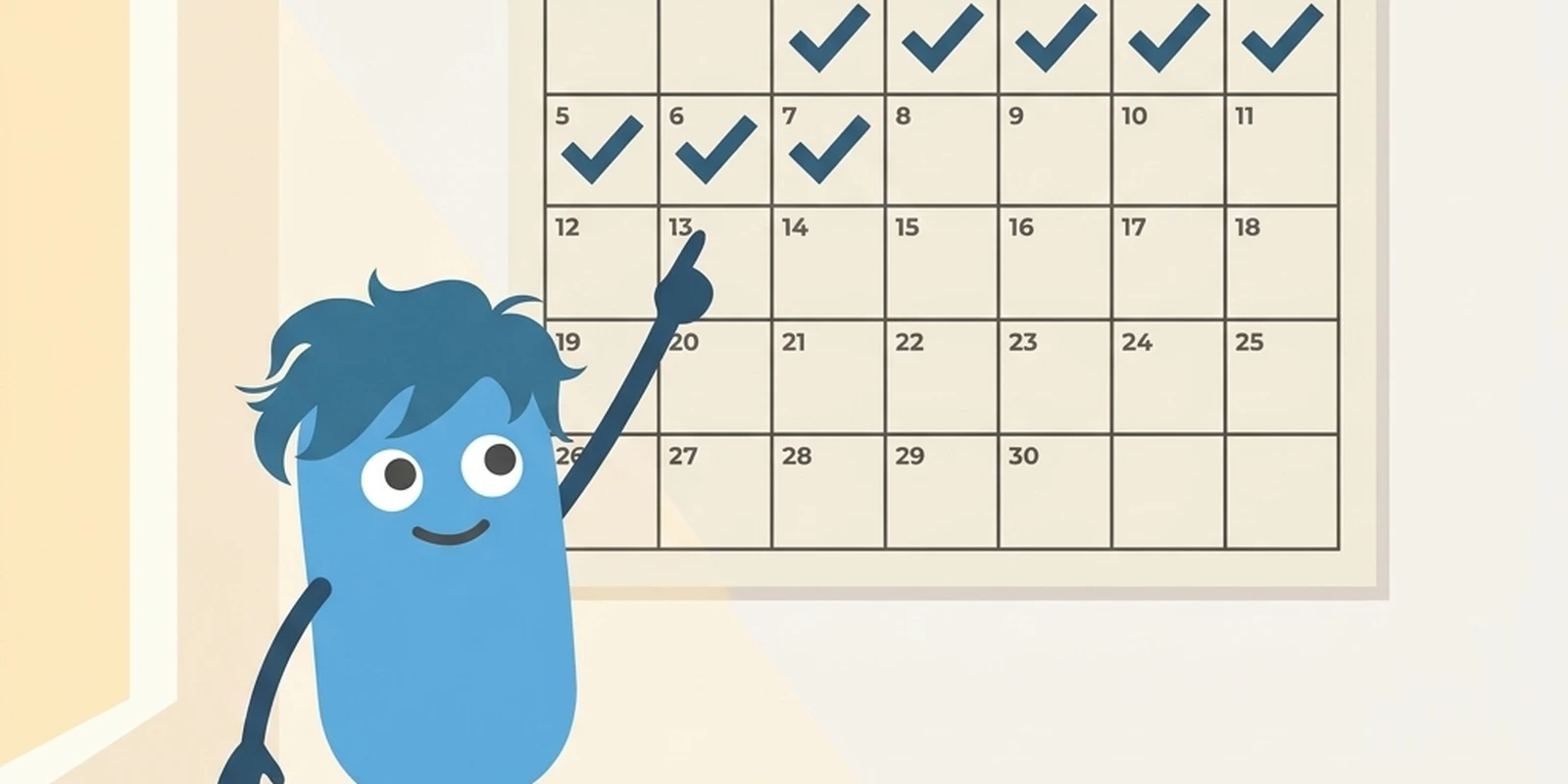
A 30-day no porn challenge follows a predictable arc: craving intensity peaks around days 3-7, stabilizes by week 2, and shifts to rewiring by weeks 3-4. Here's exactly what happens to your brain and behavior at each stage.
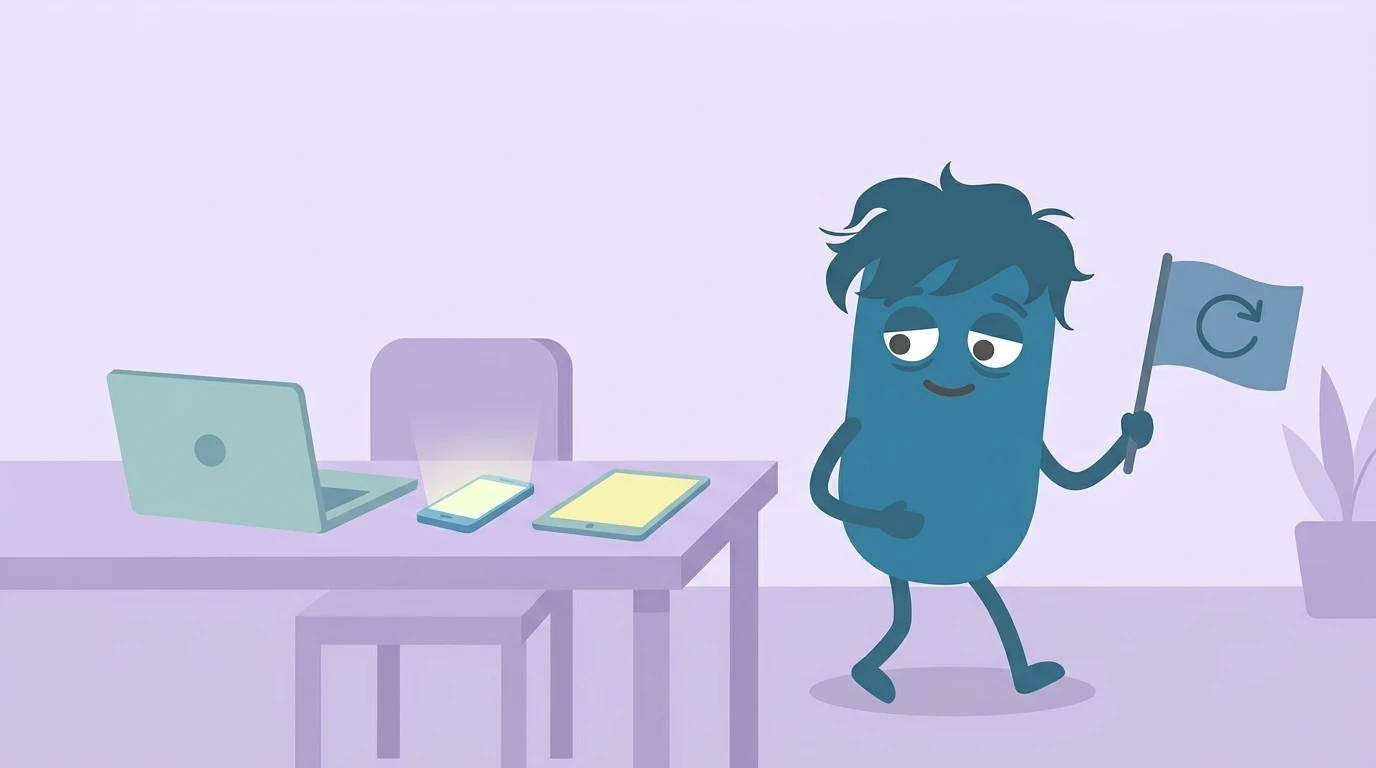
A dopamine detox is a structured period of reducing high-stimulation activities to restore the brain's sensitivity to everyday rewards. Here's what the science says and how to do one that works.
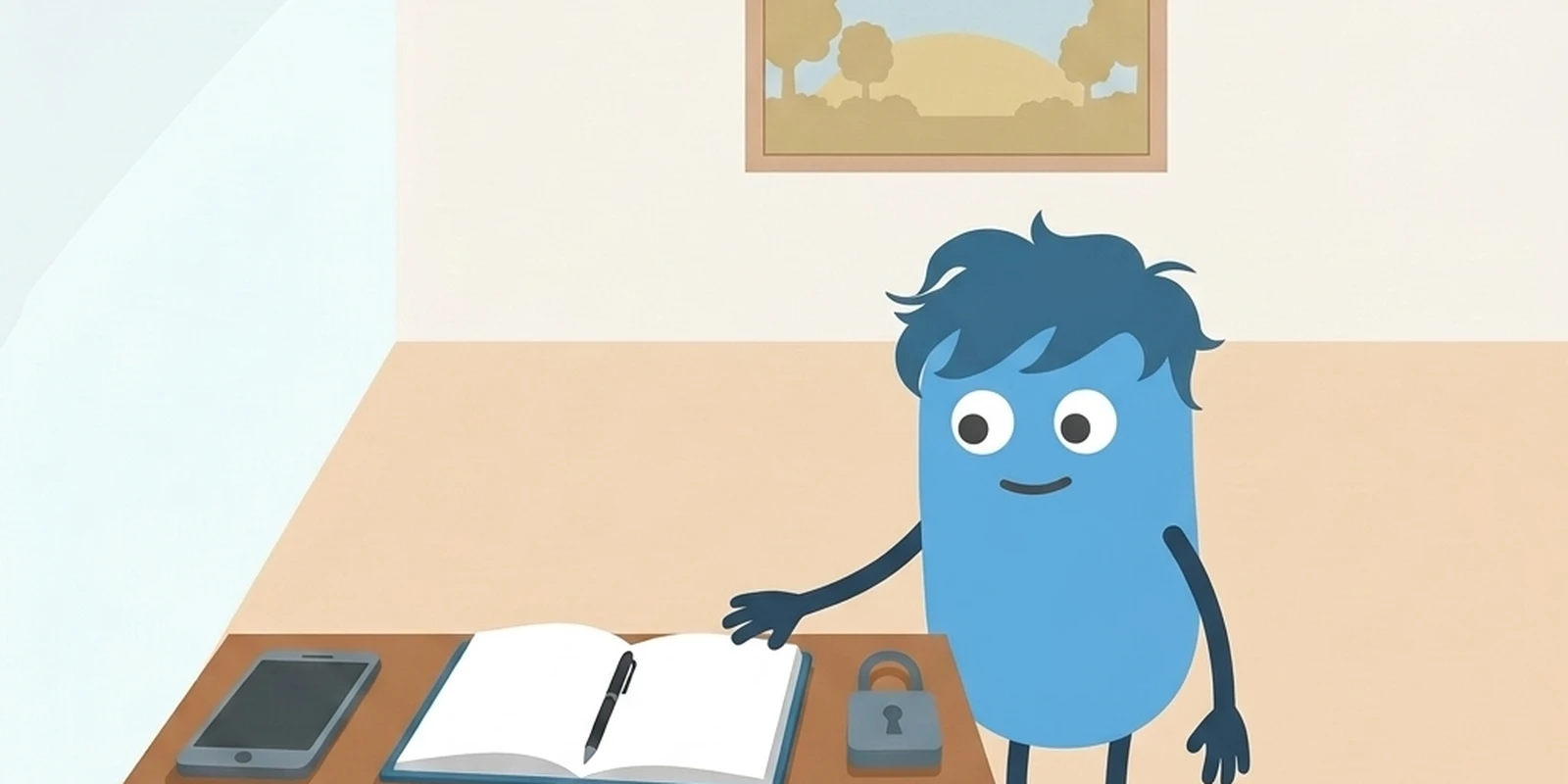
Stopping pornography use is possible. Research shows the brain's reward circuits can rewire with sustained abstinence, accountability, and targeted behavioral strategies. Here are 7 evidence-based approaches — not willpower alone.
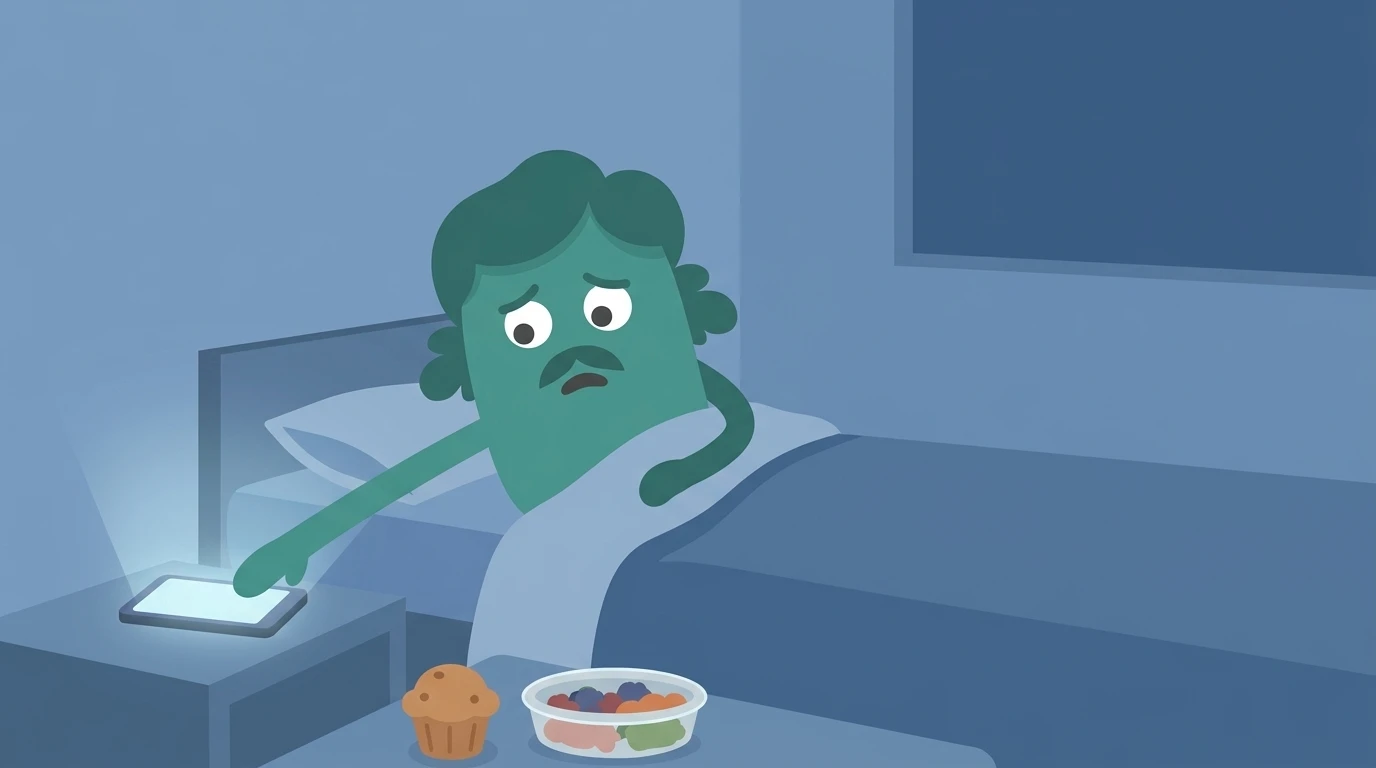
Phone addiction is a compulsive pattern of smartphone use driven by variable-ratio reinforcement — the same mechanism that makes slot machines hard to put down. Here's what the research says about symptoms, causes, and what actually works to break the cycle.
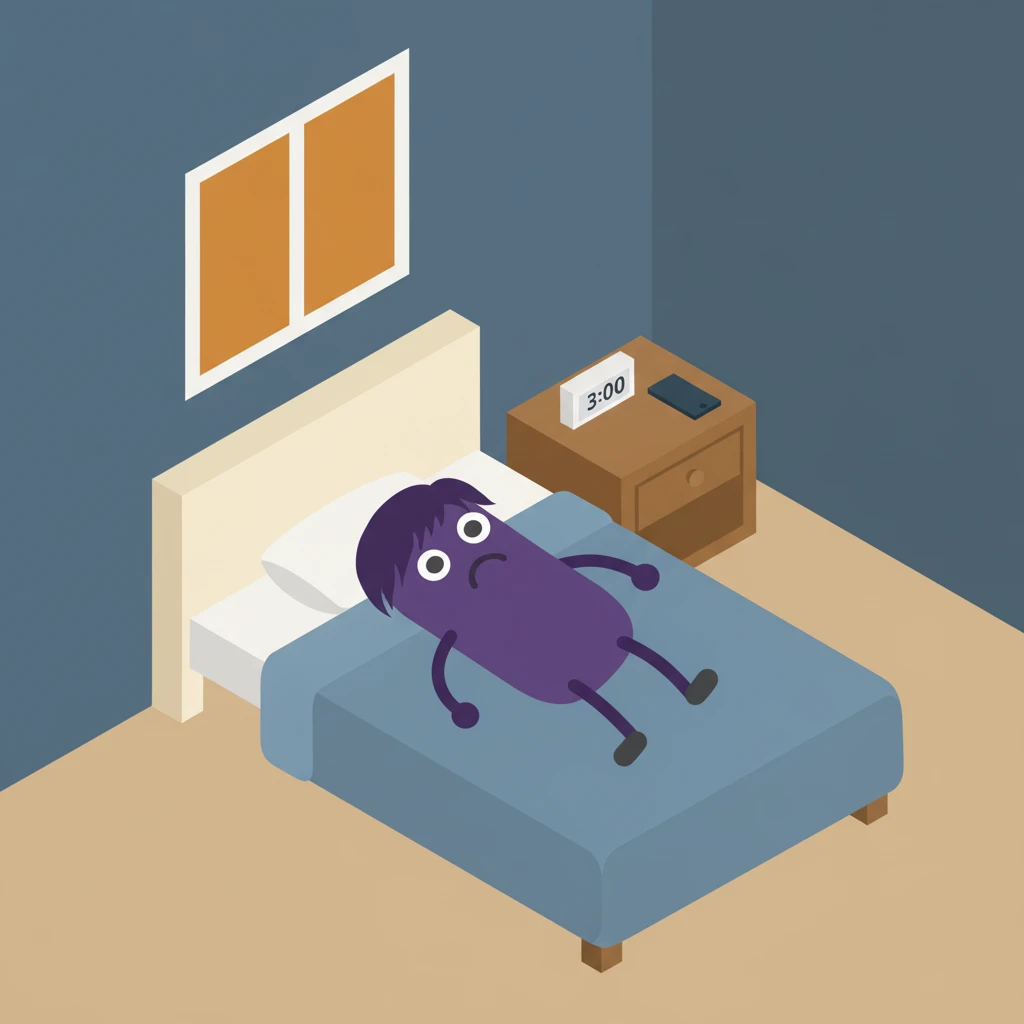
Compulsive pornography use rewires your brain's reward system, but neuroscience also shows the path back. This guide breaks down the science, the proven strategies, and how structured accountability dramatically improves recovery outcomes.