How to Get Out of ADHD Waiting Mode Before an Appointment
ADHD waiting mode freezes you before appointments and deadlines. Here's the time-perception research behind it and how to get unstuck.
Rachel SteinRead →

GetMotivated.ai Blog
Evidence-based behavior change strategies for managing chronic conditions, breaking addictions, building careers, and mastering new skills — backed by research and built into structured programs with real accountability.
Next time you search, our newest guide shows up.
ADHD waiting mode freezes you before appointments and deadlines. Here's the time-perception research behind it and how to get unstuck.
Homework is boring, assigned, and has no consequence for skipping it tonight. Learn why that specific setup kills motivation, and a plan proven to fix it.

The first weeks of recovery often feel worse, not better, and that's not a sign you're doing it wrong. Here's what's actually happening underneath.
Motivation fades because it's a mood spike, not a resource or a trait. Here's the research on why, and the structure that works after the feeling is gone.
A direct comparison of virtual and in-person recovery groups found that format didn't predict who stayed sober. Attendance did. Here's what that means for choosing a program.
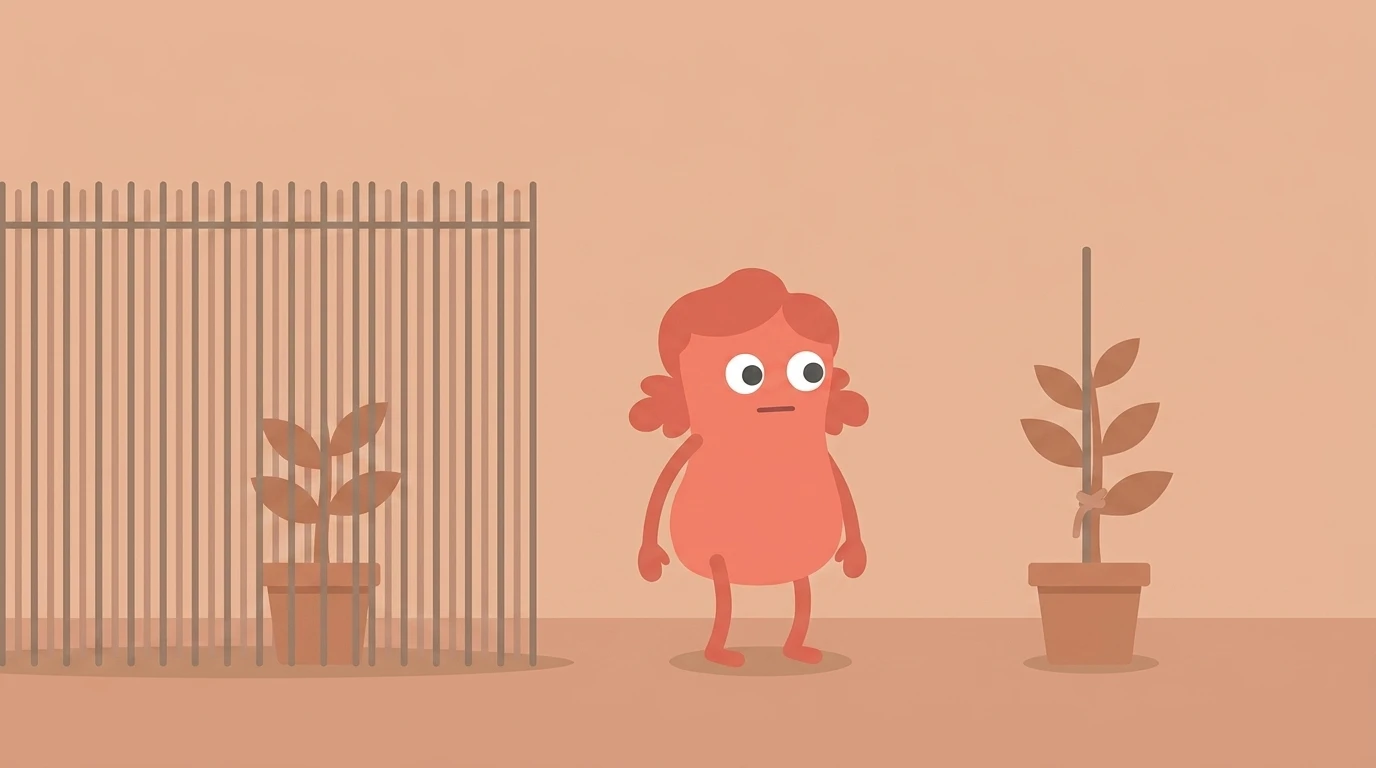
Checking up on someone in recovery feels protective, but the research points the other way: connection lowers risk, surveillance pushes people toward hiding. Here's what to do instead.
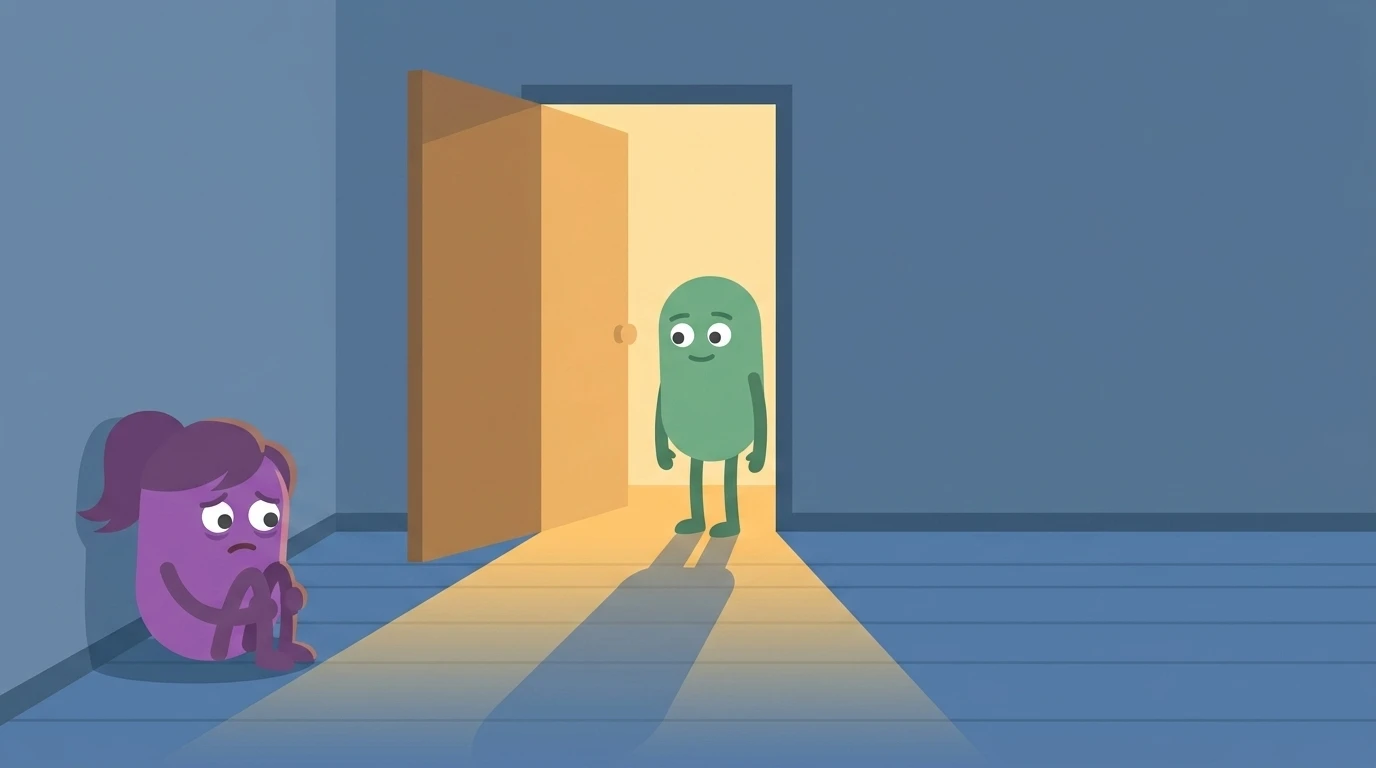
The hours right after a relapse decide more than the relapse itself. Here is what to do instead of disappearing.
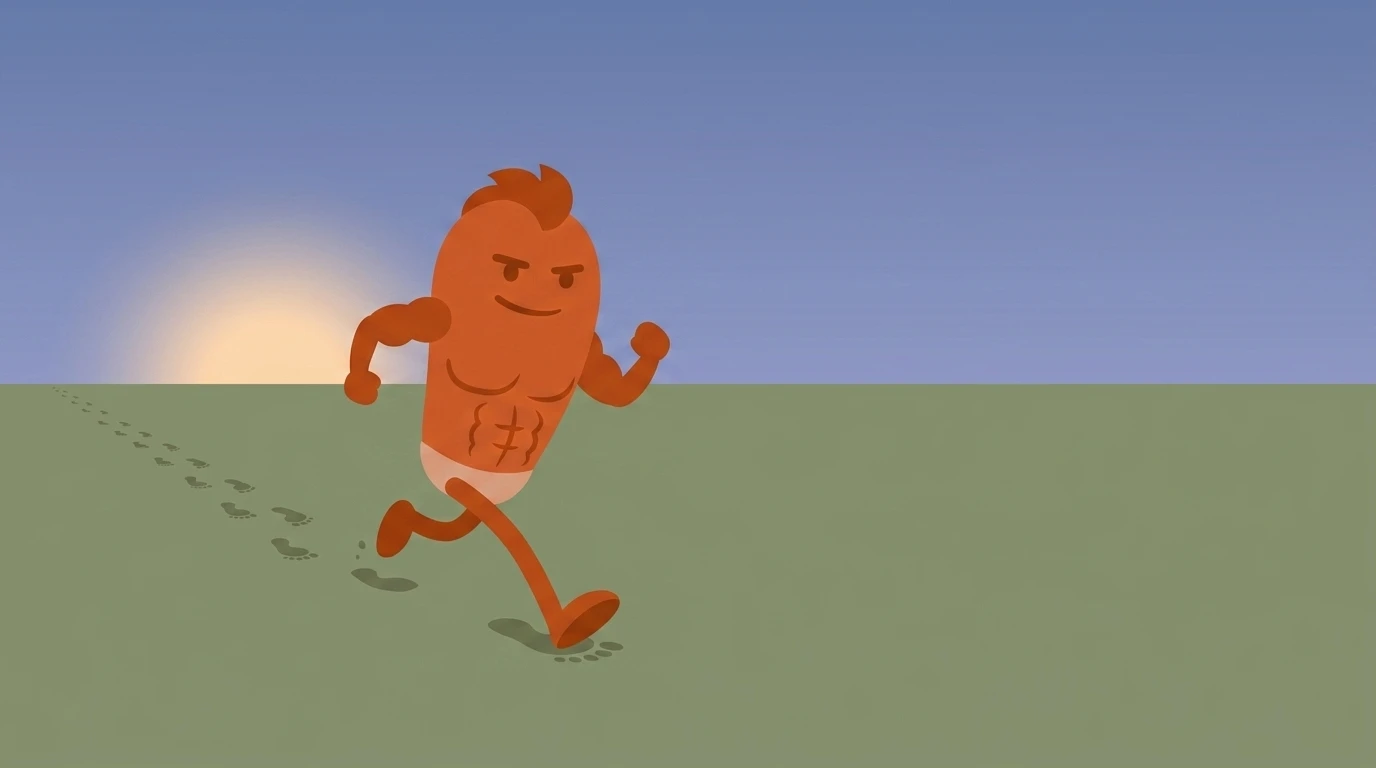
The forums say break it into steps and reward yourself after. Here is why that advice doesn't survive Monday morning, and what actually gets you moving before motivation shows up.
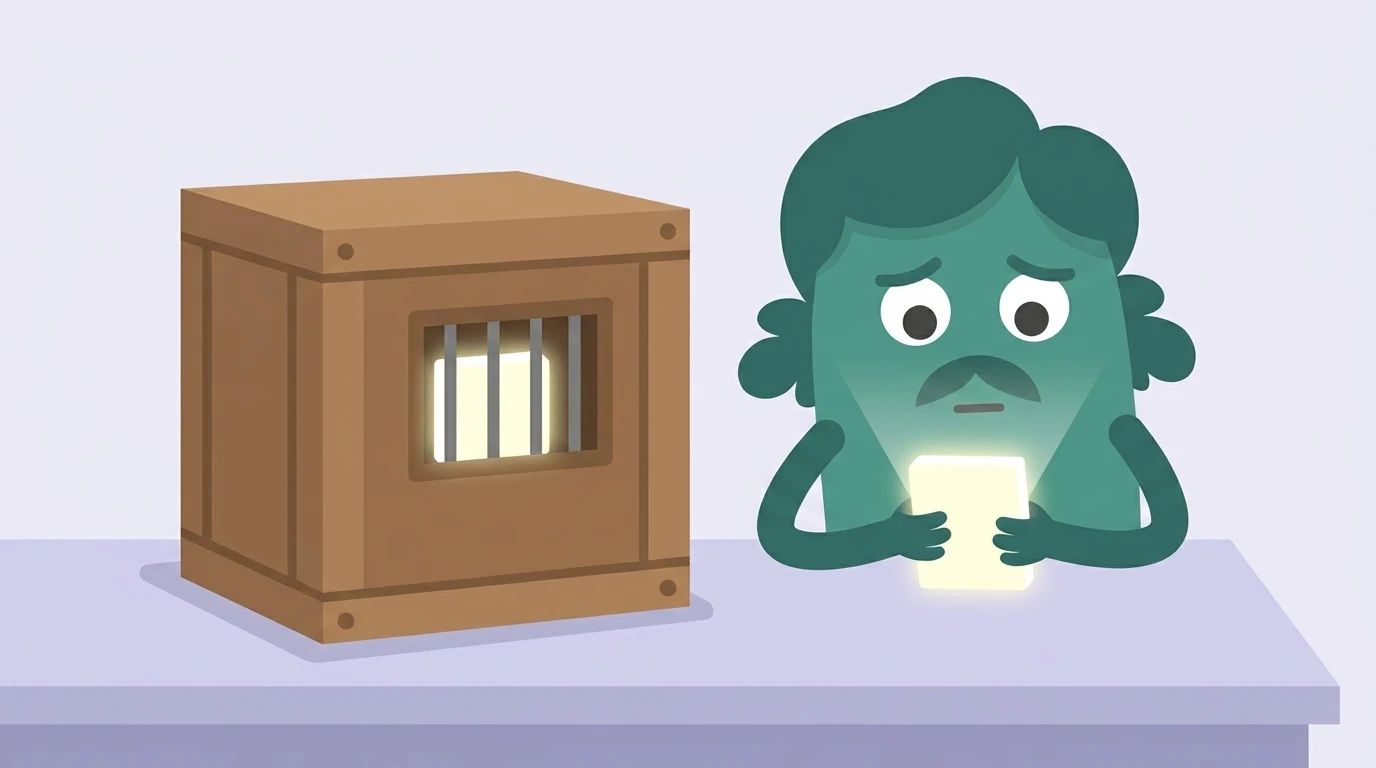
A 2026 meta-analysis of 125 treatment studies shows which interventions for problematic phone and social media use actually work, and which ones you've probably already tried.
Motivation for quitting pornography fails for a specific, researched reason, not a willpower shortage. The fix is changing why you're doing it and who knows you're doing it.
Another reset, another streak, another quiet failure. Research on motivation and recovery explains why willpower alone was never going to hold, and what does.
A 2026 study of 27 people in recovery found accountability drove sincerity and cut relapse by helping them become someone new, not just someone who abstains.
A systematic review of ADHD apps found moderate quality and weak engagement features. The apps aren't the problem — what's missing is the part that keeps you coming back.
The research on exercise and ADHD is real, but it's not the vague 'movement helps' story you've heard. Here's what specific activity types actually change, and why the harder problem is doing it again tomorrow.
Most motivation hacks spike and fade fast. Learn the mechanism, based on real research, that turns intention into action and builds lasting motivation.
Falling asleep usually isn't the problem. Stopping what you're doing is. Here's why ADHD makes the evening transition so hard, and what changes it.
Sustainable work with ADHD isn't about trying harder. It's about job fit and conditions, disclosure decisions you control, and support that keeps you from paying for competence with exhaustion.
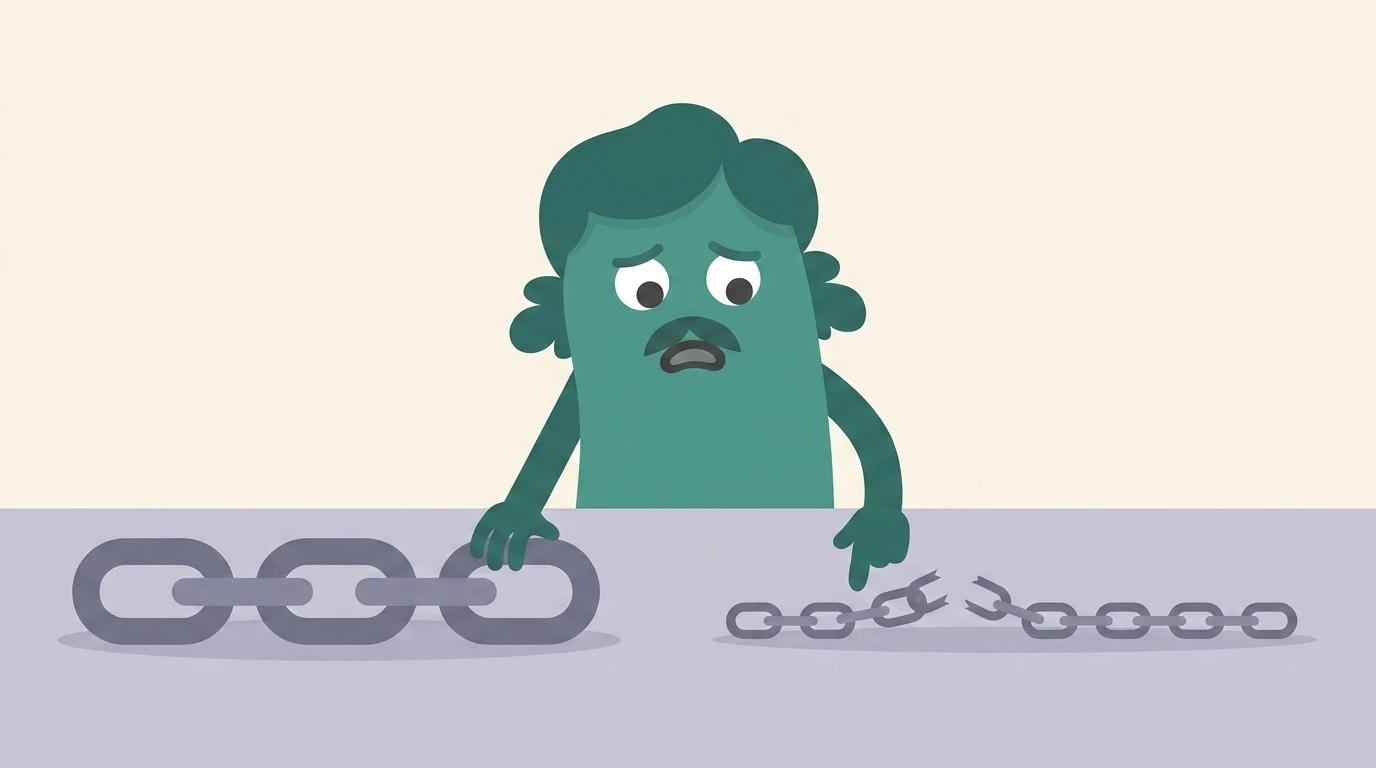
Most ADHD routines are designed for a version of you that shows up maybe once a week. Here's how to build one for the version who shows up every day.
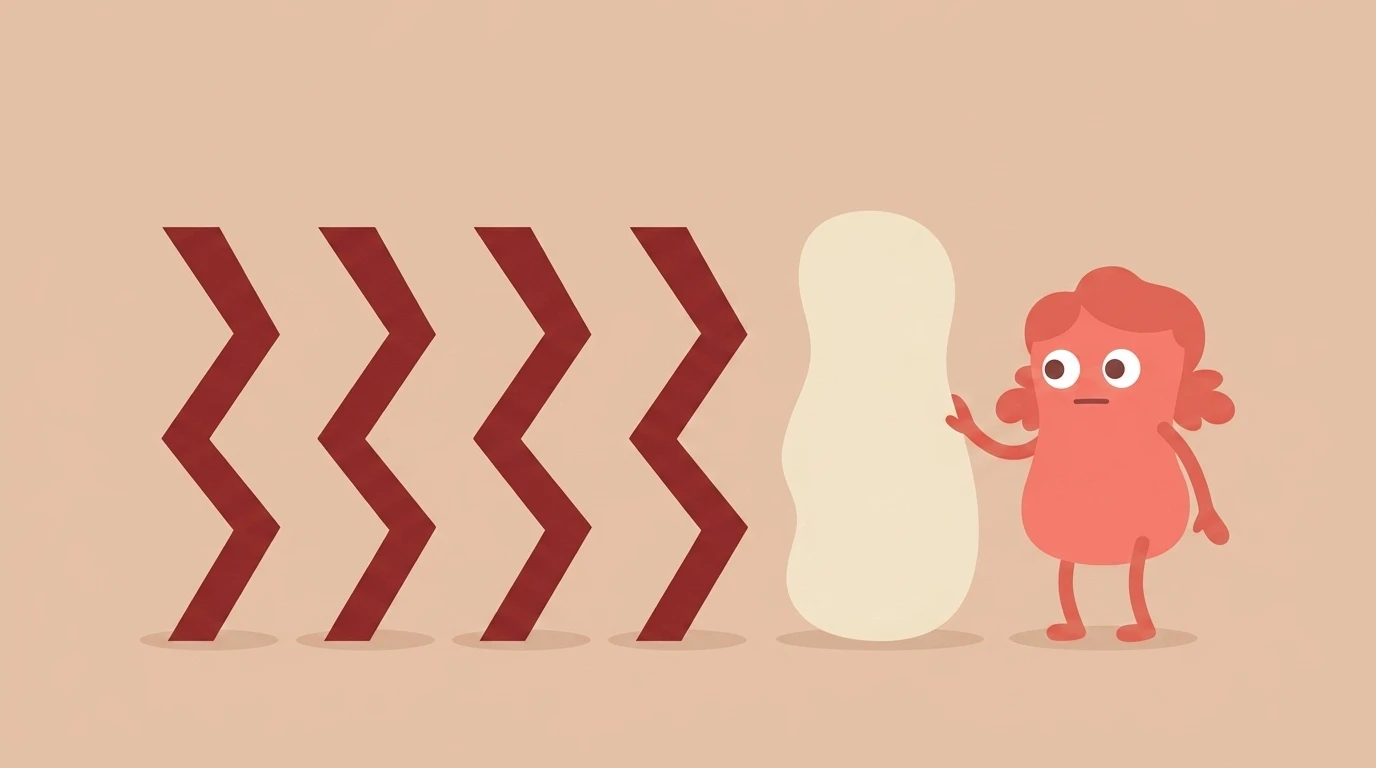
The diagnostic criteria for ADHD were built by watching hyperactive boys. Here's why so many women don't get answers until their thirties, forties, or later.
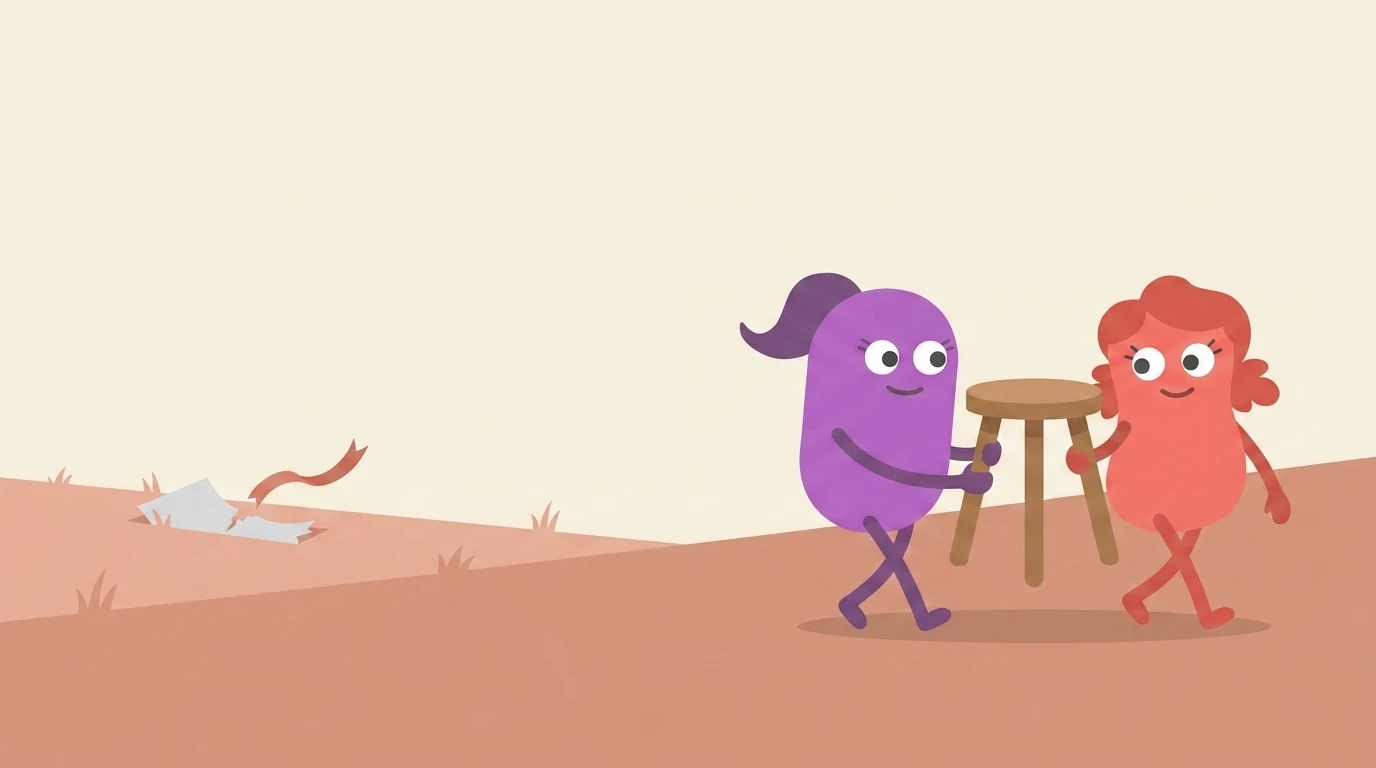
A quote isn't a mechanism. Research on implementation intentions, procrastination, and self-determination theory shows what actually makes motivation happen.
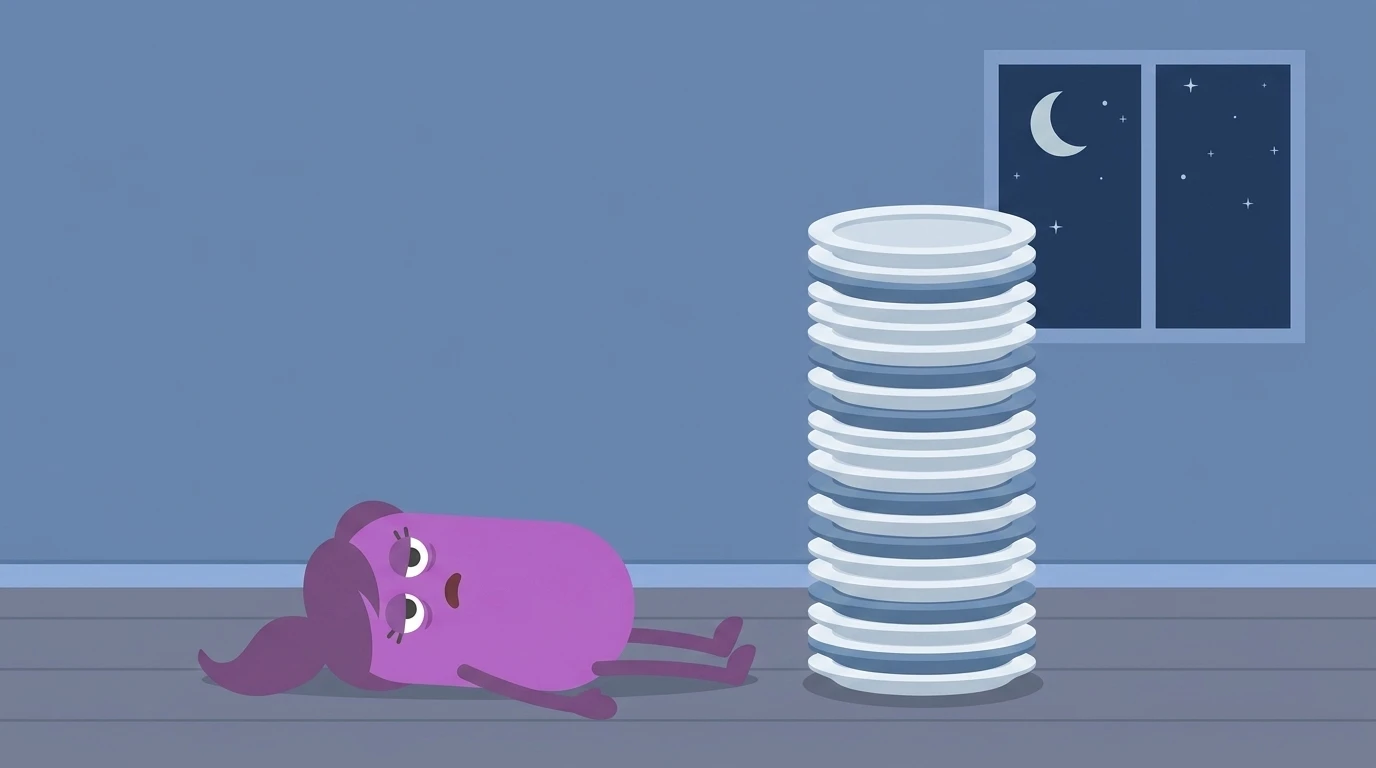
ADHD burnout isn't tiredness and it isn't laziness. It's collapse after months of masking and overcompensating, and recovery means cutting the load, not gritting through it.
Not all support is the same kind of support. Here's what the research says about which groups actually reduce loneliness, and why doing something together beats talking about it.
What a depression support group actually does, what it doesn't, and how to find one that doesn't require you to leave your couch.
Motivation tips don't fail because you're lazy. Research shows the gap is between knowing and doing. Here's the plan that closes it, tested on hundreds.
A practical guide to finding a grief support group that fits your loss, including what actually happens in a session and how to know when it's time to try another one.
Online support groups reliably get people access and keep them showing up, but the research on symptom change is mixed. Here's what the evidence actually shows.
Therapy and peer support aren't competing options. One brings clinical training, the other brings people who stay in your corner. Here's how to tell which you need.
The fastest way out of a motivation slump is figuring out which one you're actually in. This guide sorts the eight most common causes and points to the fix that matches yours.
A practical walkthrough for picking a support group that fits, testing it honestly in the first three sessions, and knowing when to try something else instead.
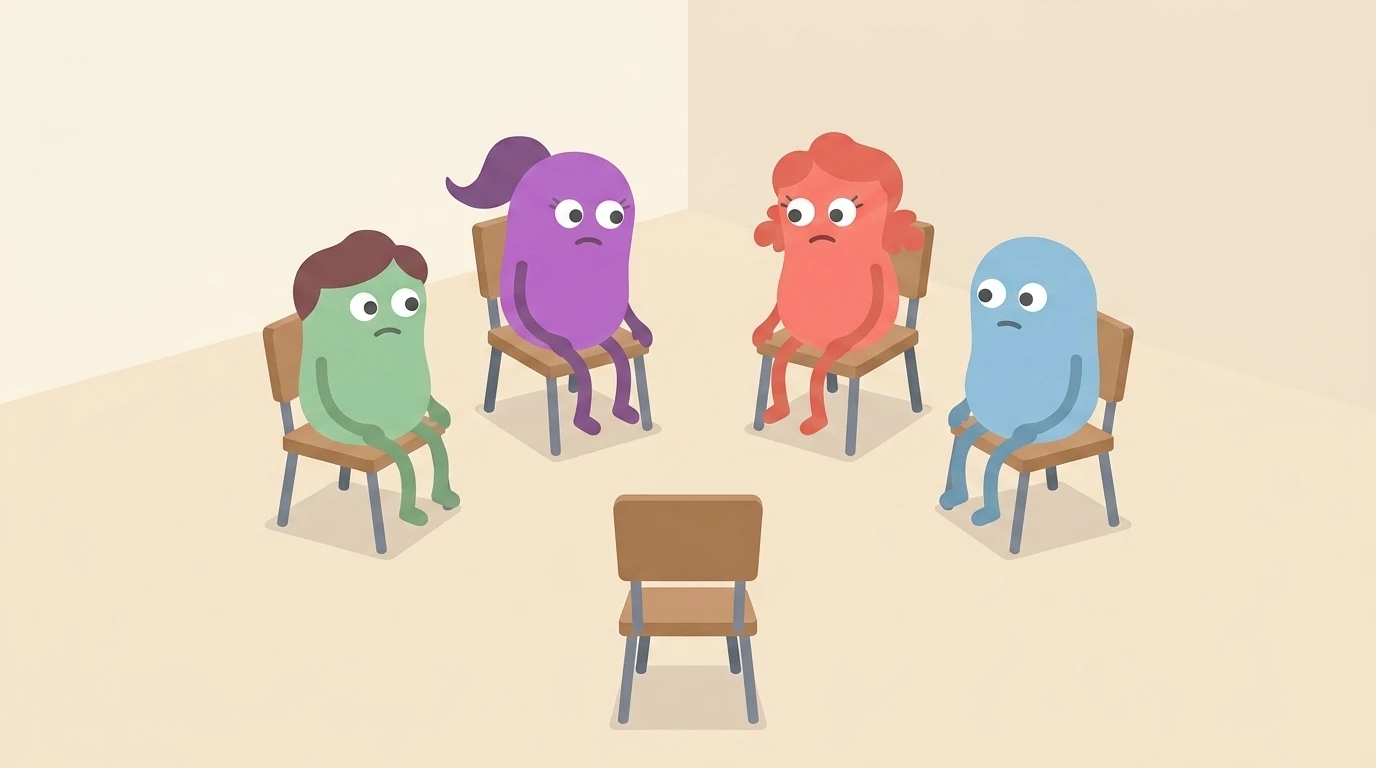
You don't have to talk. You don't have to have a diagnosis figured out. Here's what a peer support group actually is, and what really happens in the room.
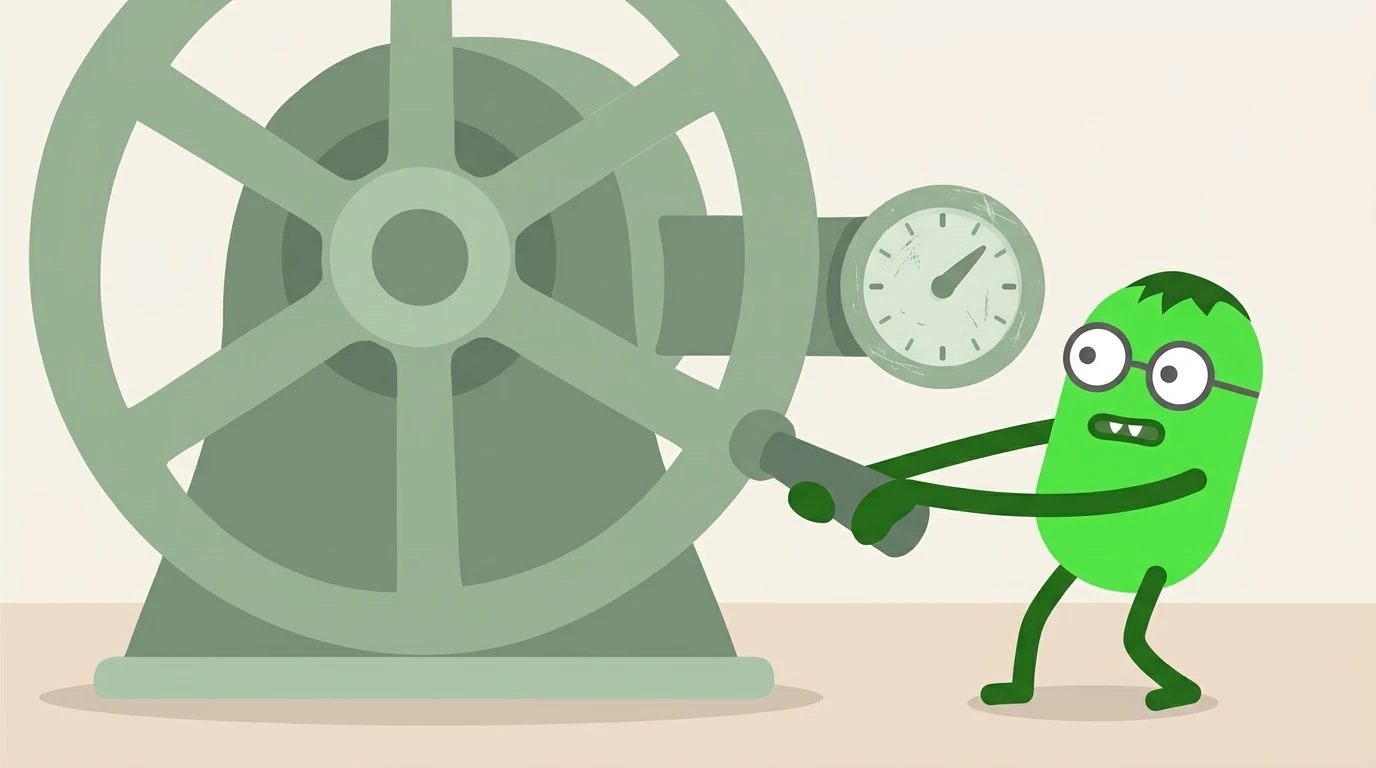
ADHD lack of motivation is a chronic state, not a single collapse: understand why it holds steady day after day and what actually shifts it.
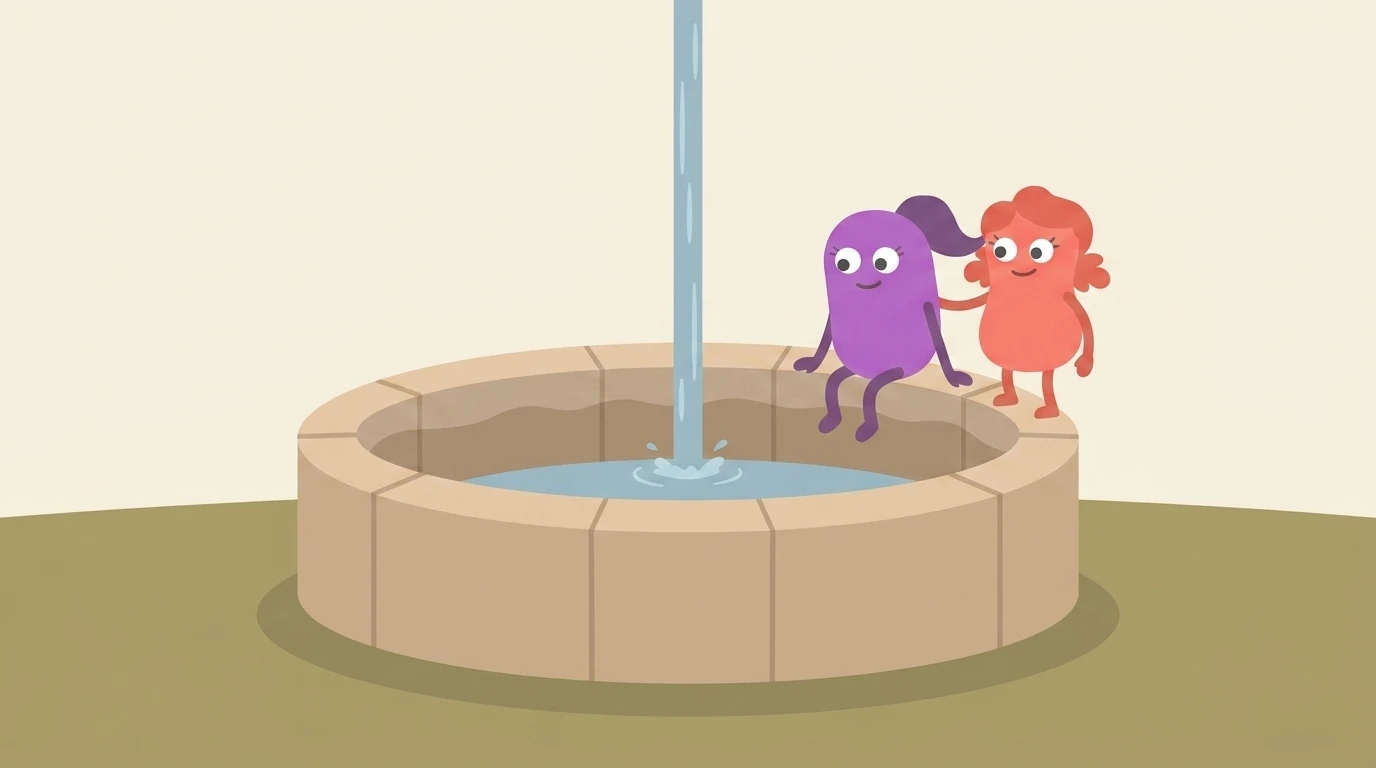
Self-control is not a personality trait or a system you build once. Research shows it behaves like a resource that depletes, refills, and shifts with the time of day.
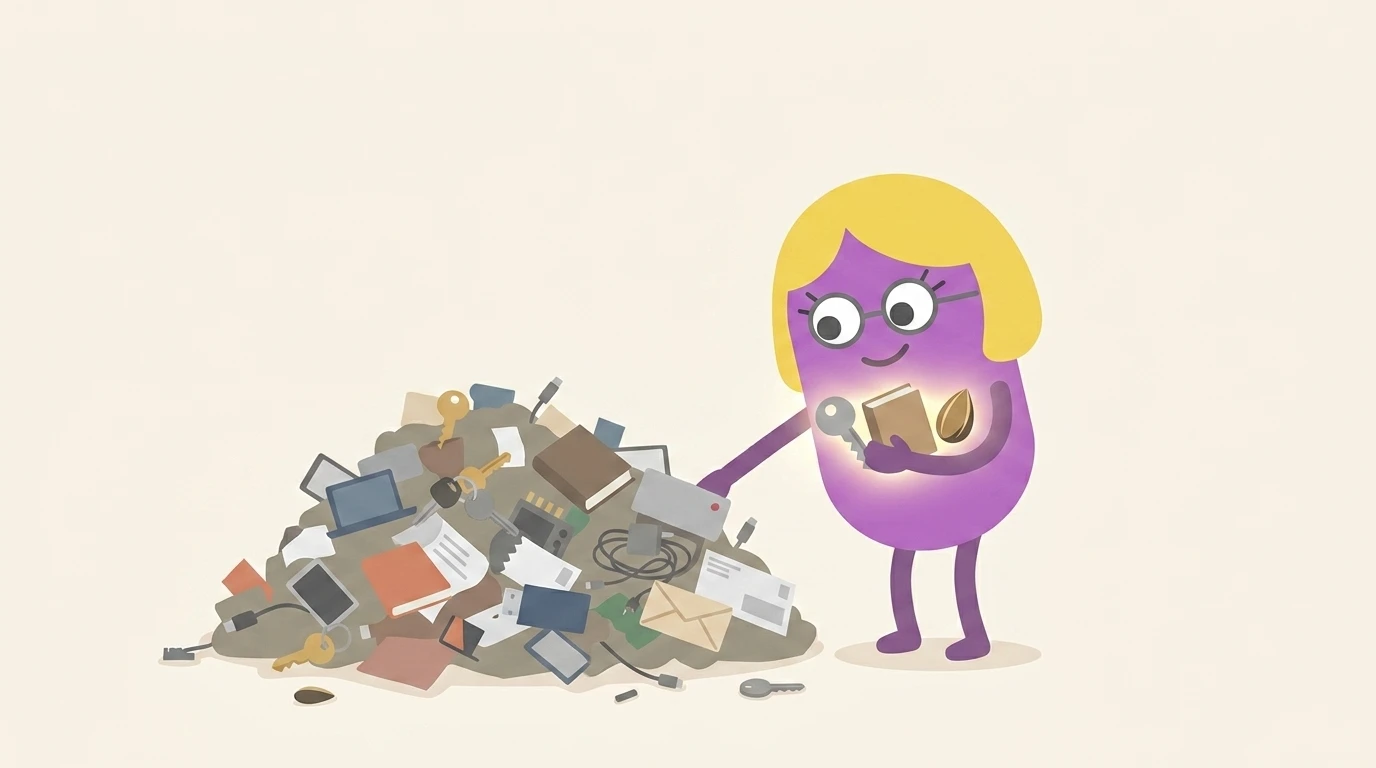
When the exam is close and the hours are gone, most of what you would normally do does not fit anymore. Here is what the research says actually survives compression.
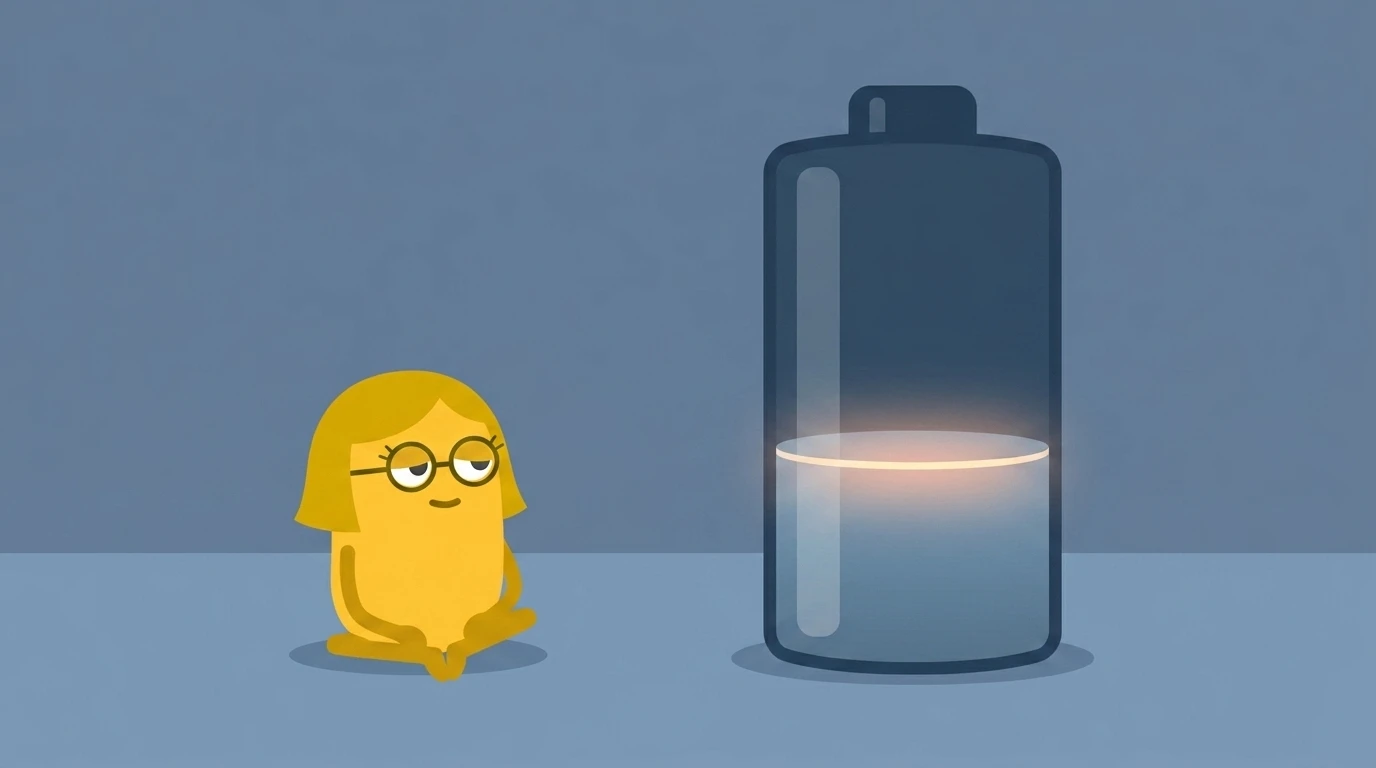
The exhaustion in early recovery isn't a motivation problem, it's a measurable dip in attention and reward response that fades as sleep and the brain's reward system stabilize.
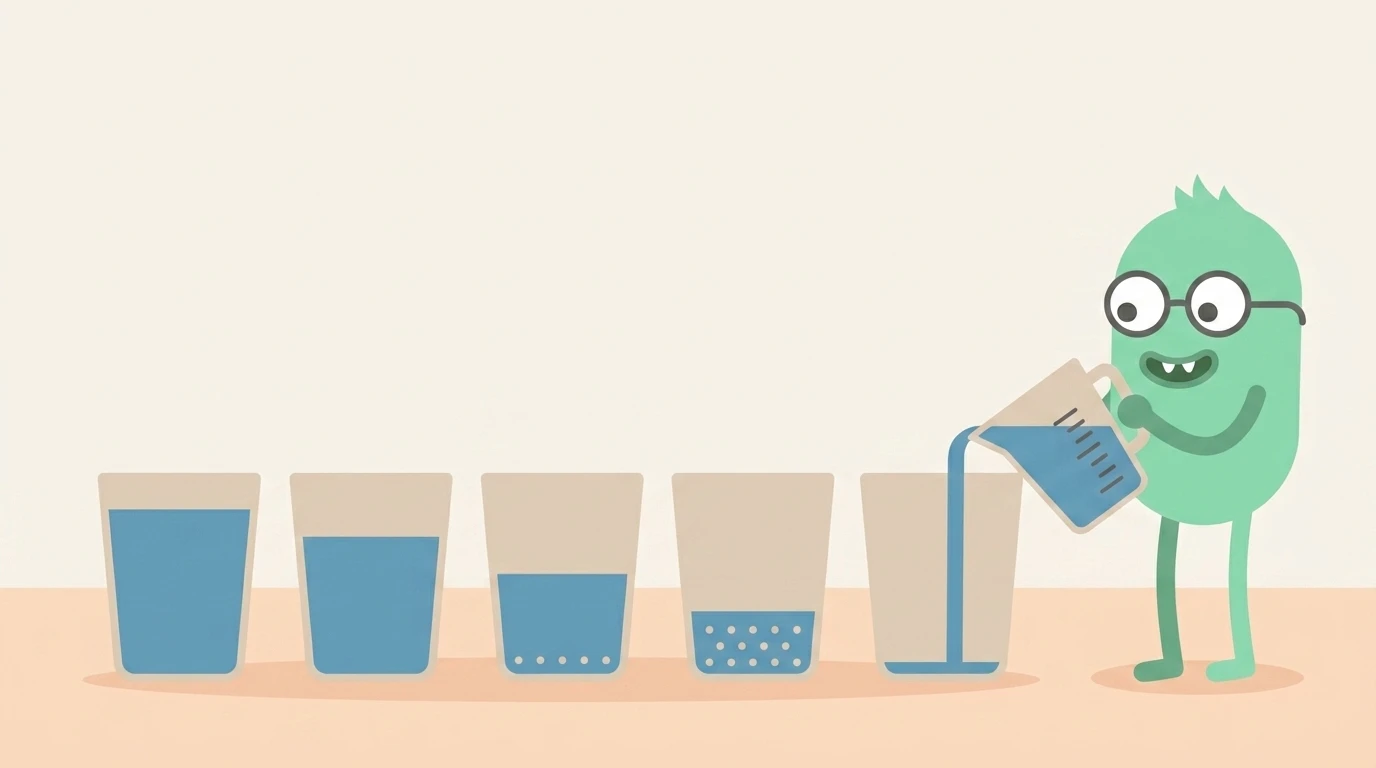
Hour six of a study session is not hour one. Mental fatigue changes what your brain can do, and the research shows exactly what breaks down first and how to protect it.
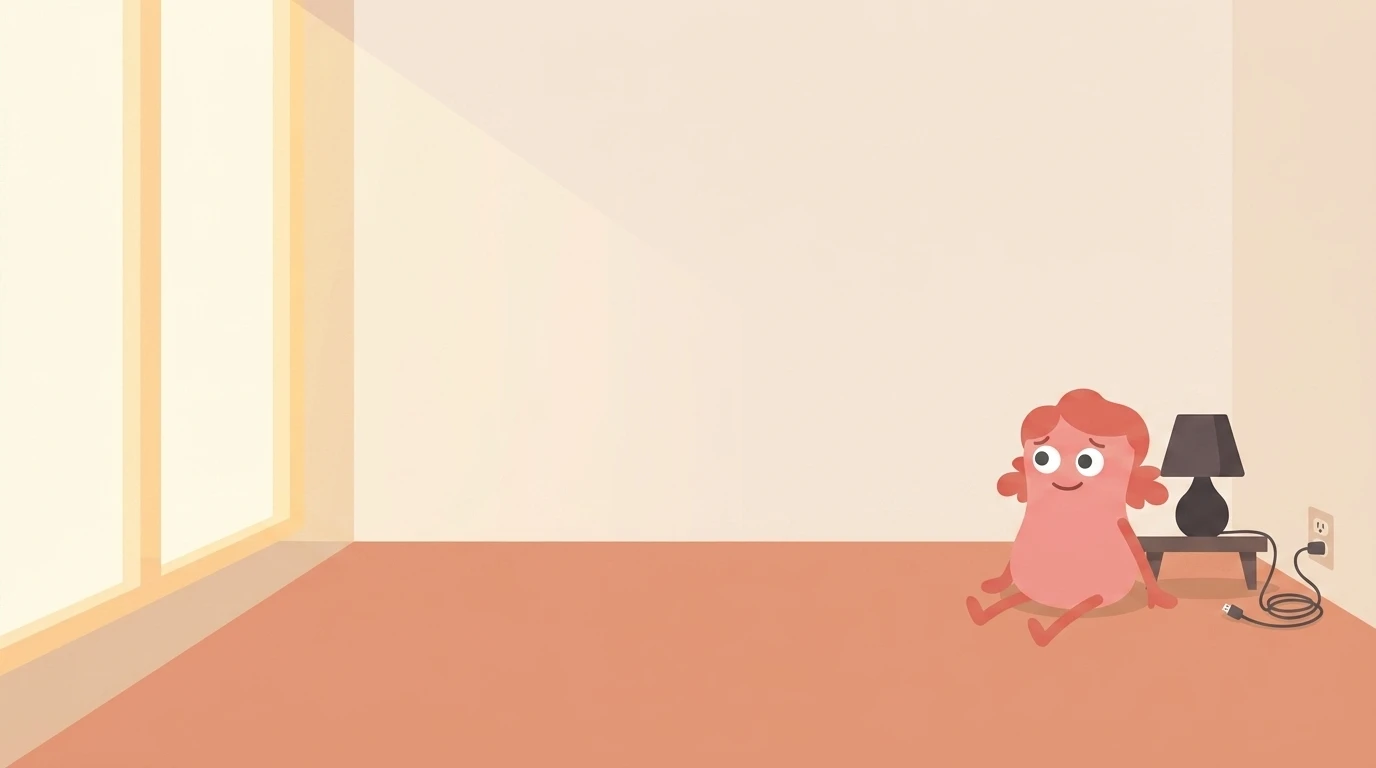
You've ruled out depression, but you still can't make yourself do anything. Mental fatigue, sleep debt, and a naturally lower baseline dopaminergic tone can flatten motivation on their own, and each one is measurable and addressable.
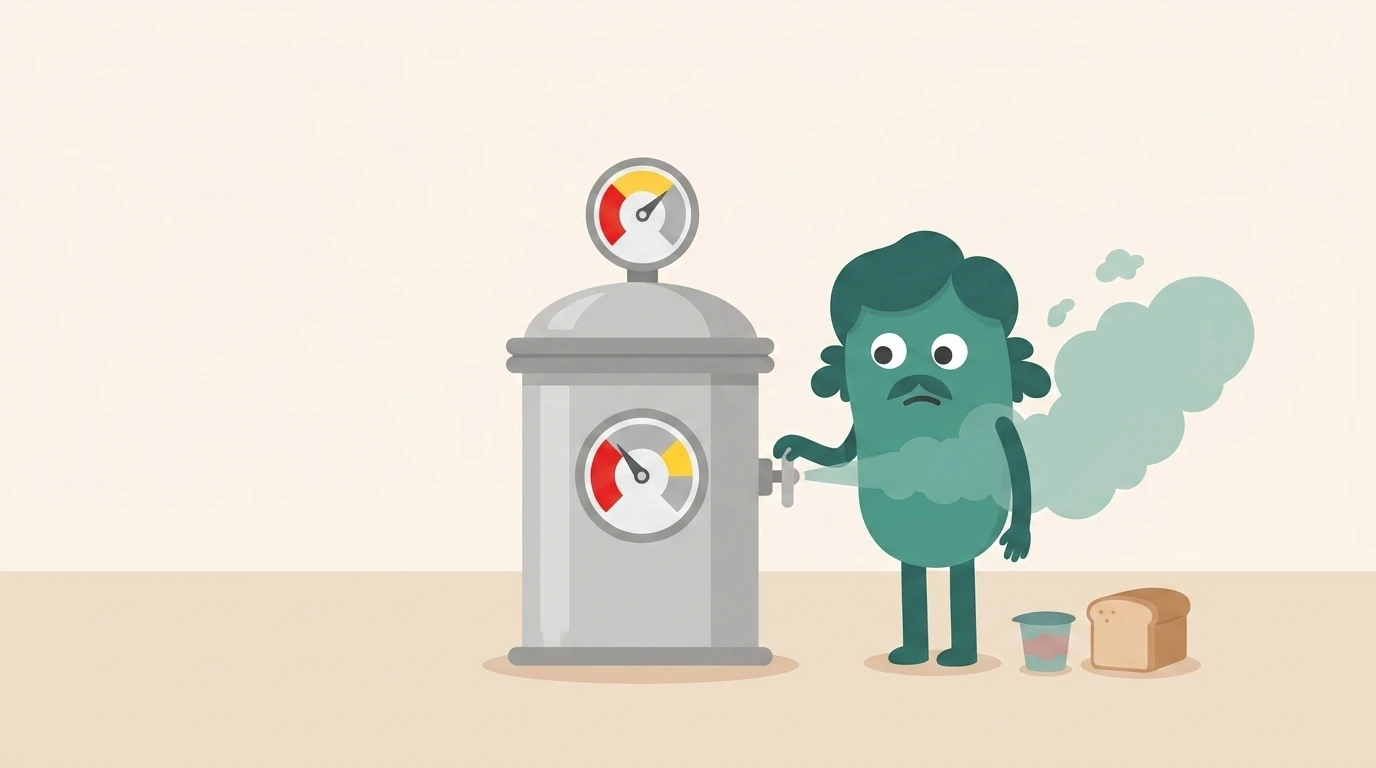
Chronic academic stress runs on a different mechanism than a single stressful week. Research on coping style, self-efficacy, and burnout shows what actually breaks the cycle.
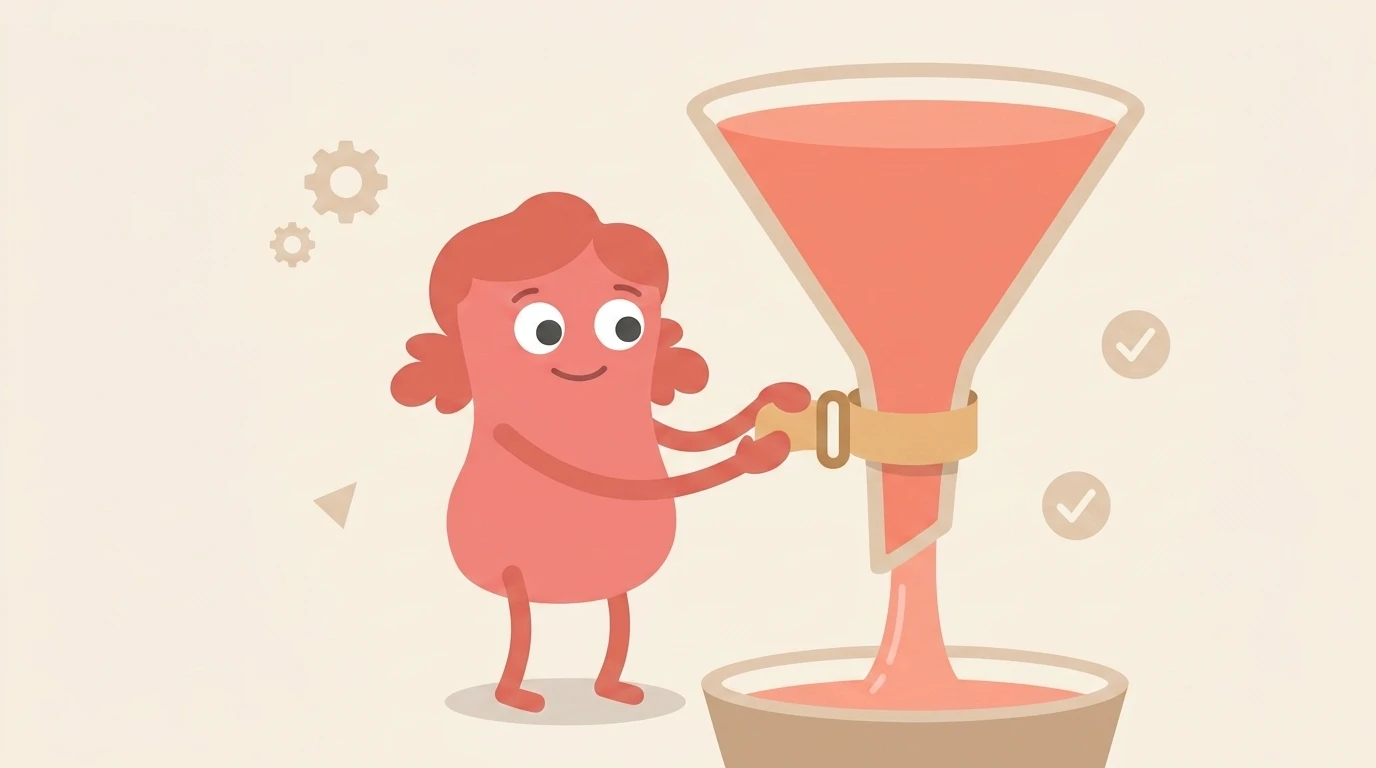
Test anxiety does something specific to memory recall in the exam room. Research on mindfulness, emotion regulation, and coping strategies shows what actually reduces it.
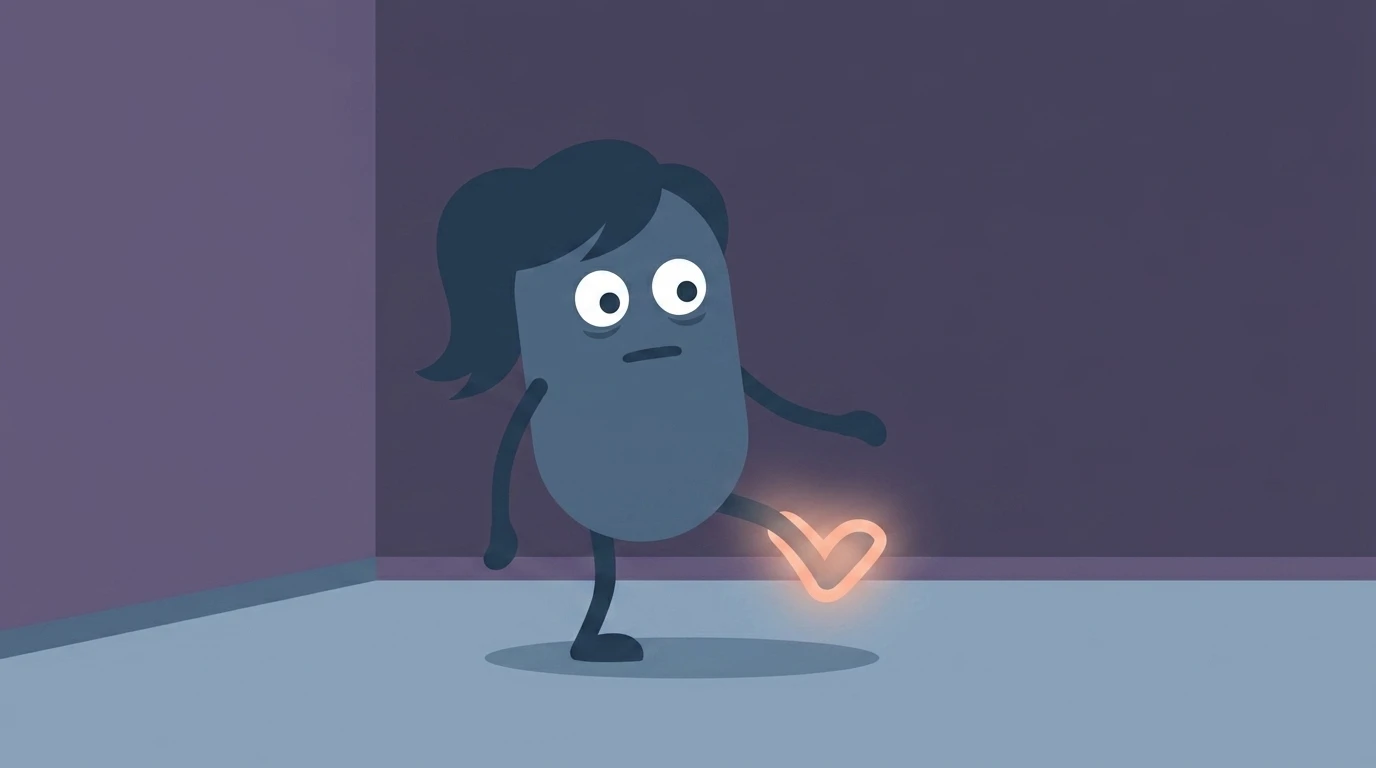
Motivation does not return before you act when you're depressed; it shows up after. Here is the research-backed order of operations, plus one three-minute tool that works even on the worst days.
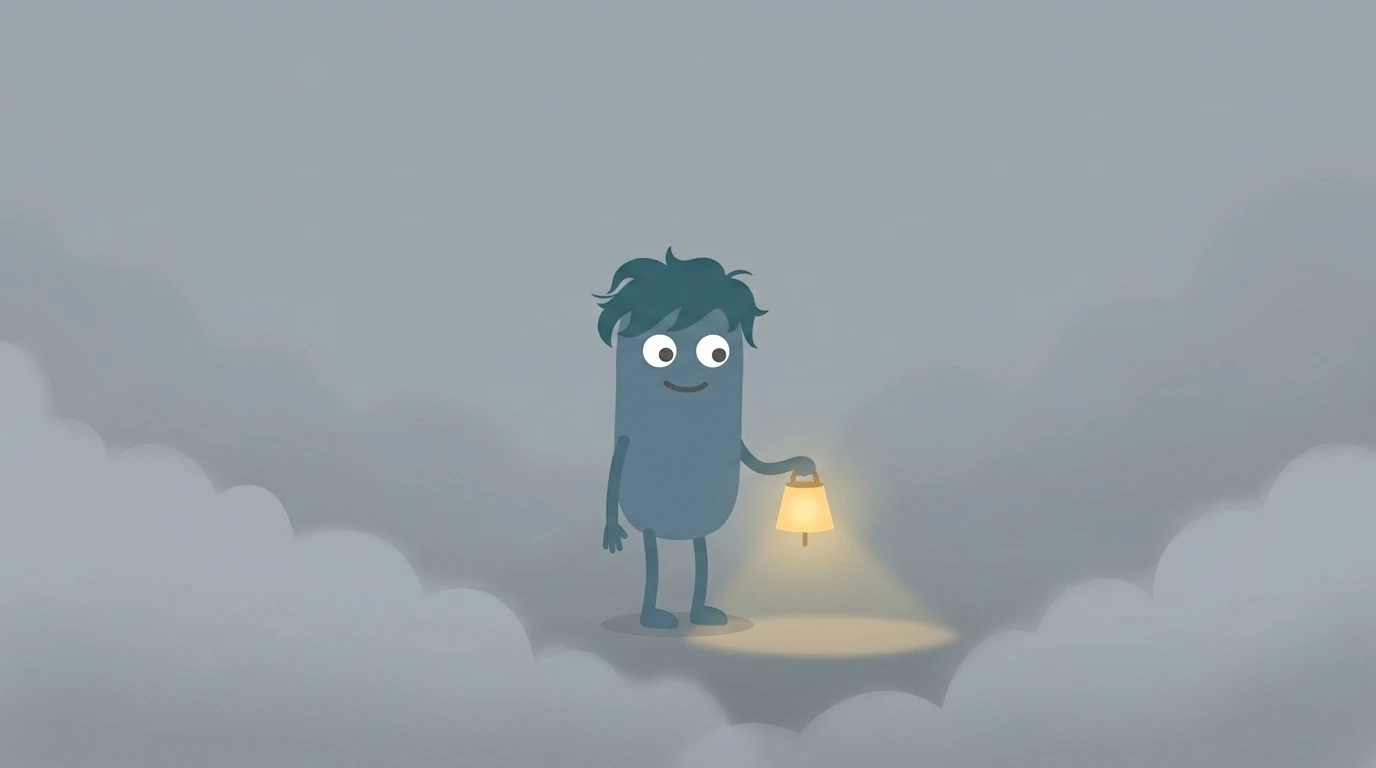
Trouble concentrating during a low mood isn't a discipline problem. Research on attention and depression explains the mechanism, and what actually helps you study through it.
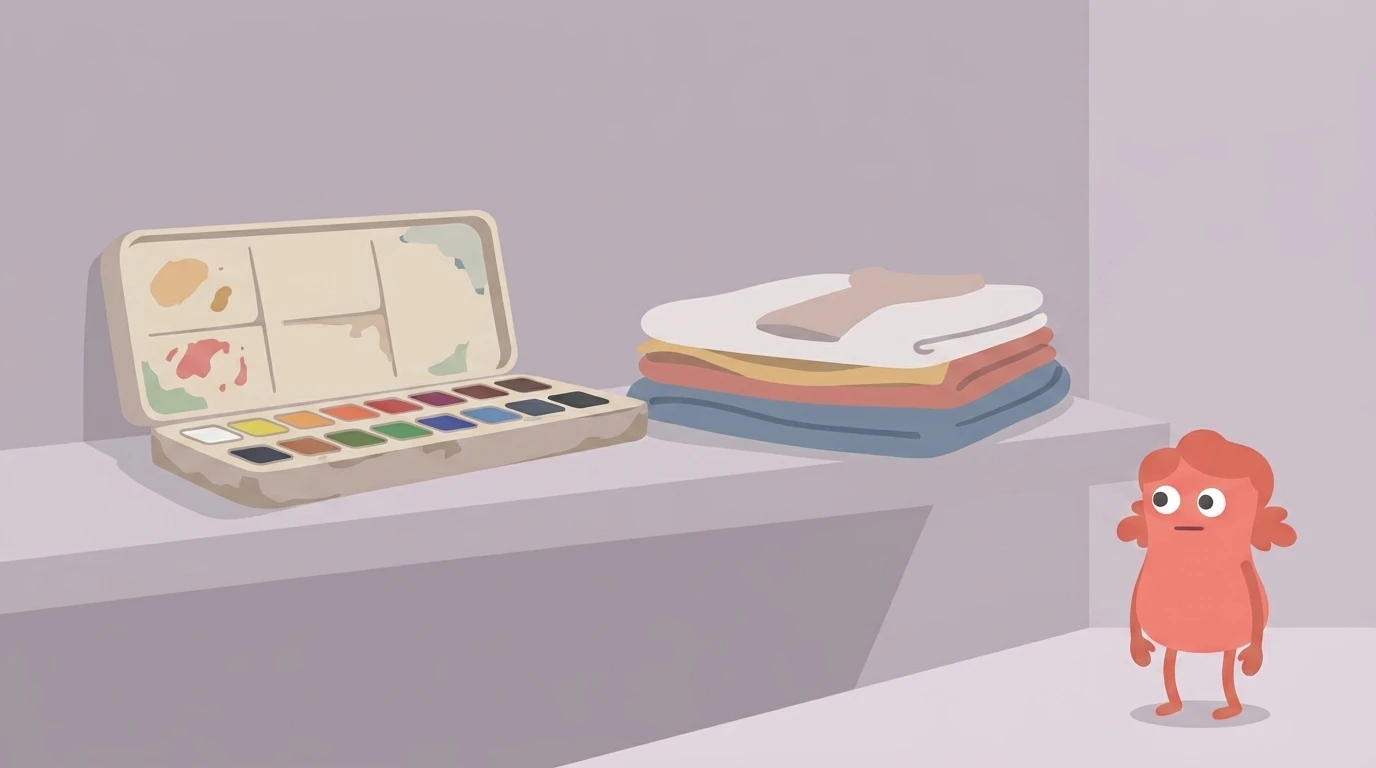
ADHD does not just kill motivation for boring tasks — it can flatten motivation for everything, including things you used to enjoy. Here is the mechanism, and what actually rebuilds it.
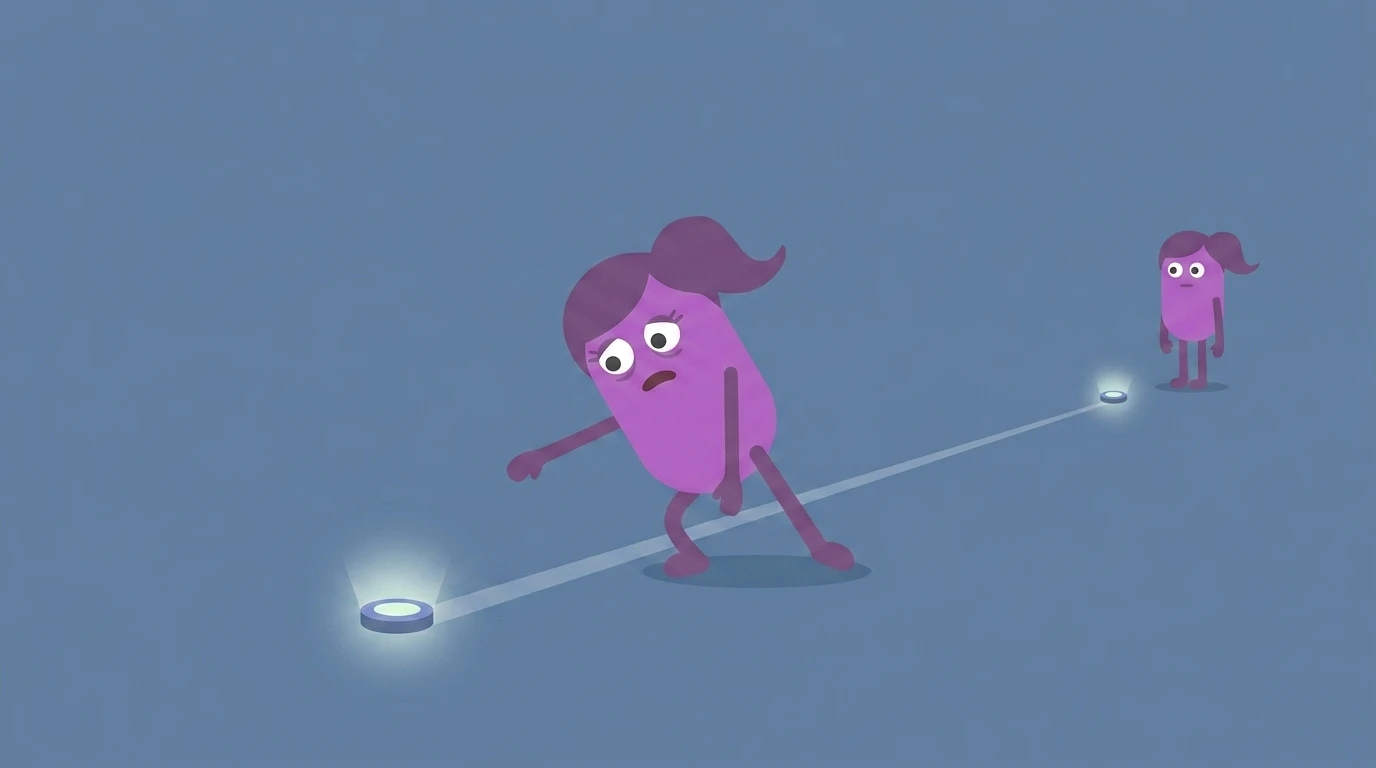
Standard time-management advice assumes a brain that responds to future consequences. If you have ADHD, yours often doesn't, and the research explains exactly why.

A classroom hands you structure automatically. At home you have to build it yourself, and the two techniques that make the biggest measurable difference are not the ones most students reach for first.

Practical, research-backed steps for cleaning your home when depression has drained your motivation and executive function.

Starting a study session is one problem. Staying in it is a different one, with its own mechanism and its own fix, and most advice only covers the first half.
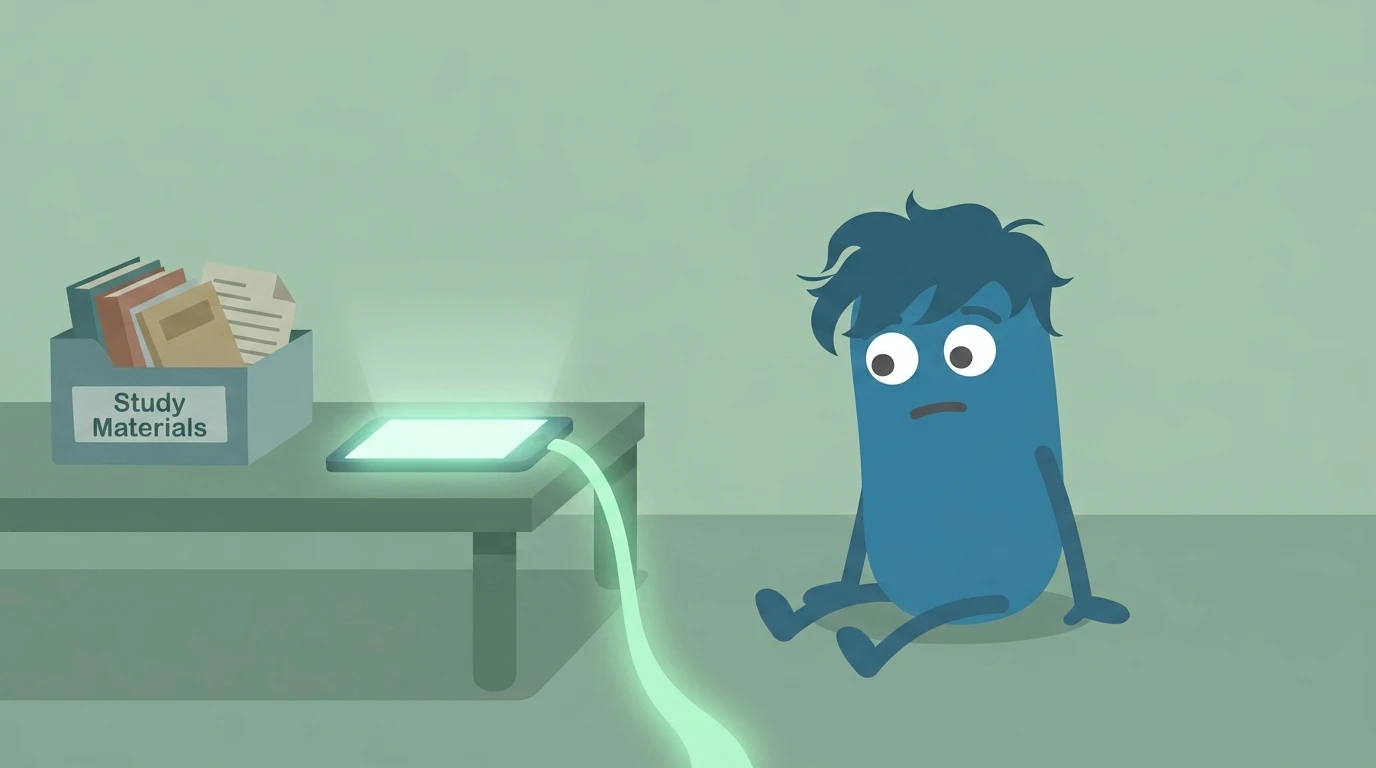
Phone use does not just steal time. It runs through a specific chain, from lower self-control to higher anxiety to procrastination, and each link in that chain is where you can intervene.
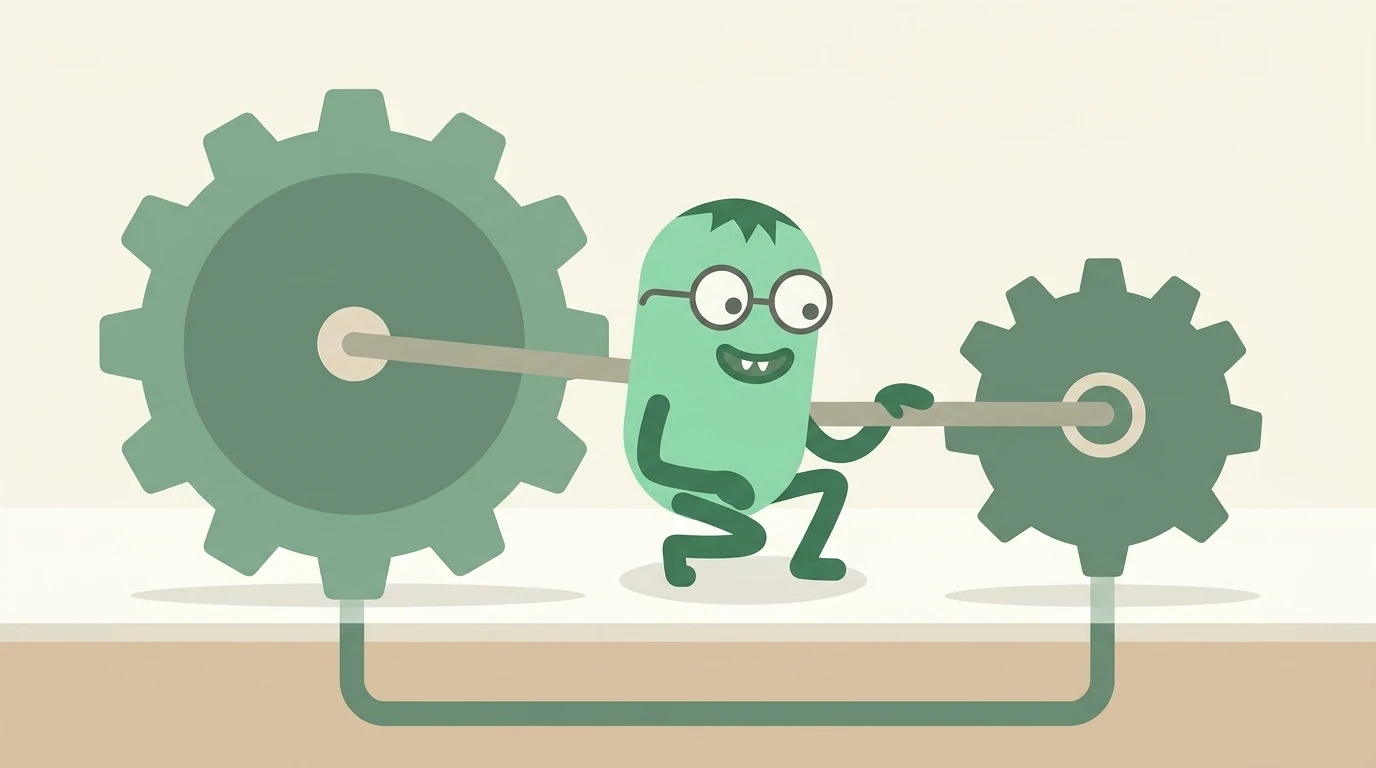
Motivation fades and willpower-style discipline runs out. What predicts follow-through is a system: specific if-then plans, routines that remove decisions, and protecting a limited resource instead of demanding more of it.
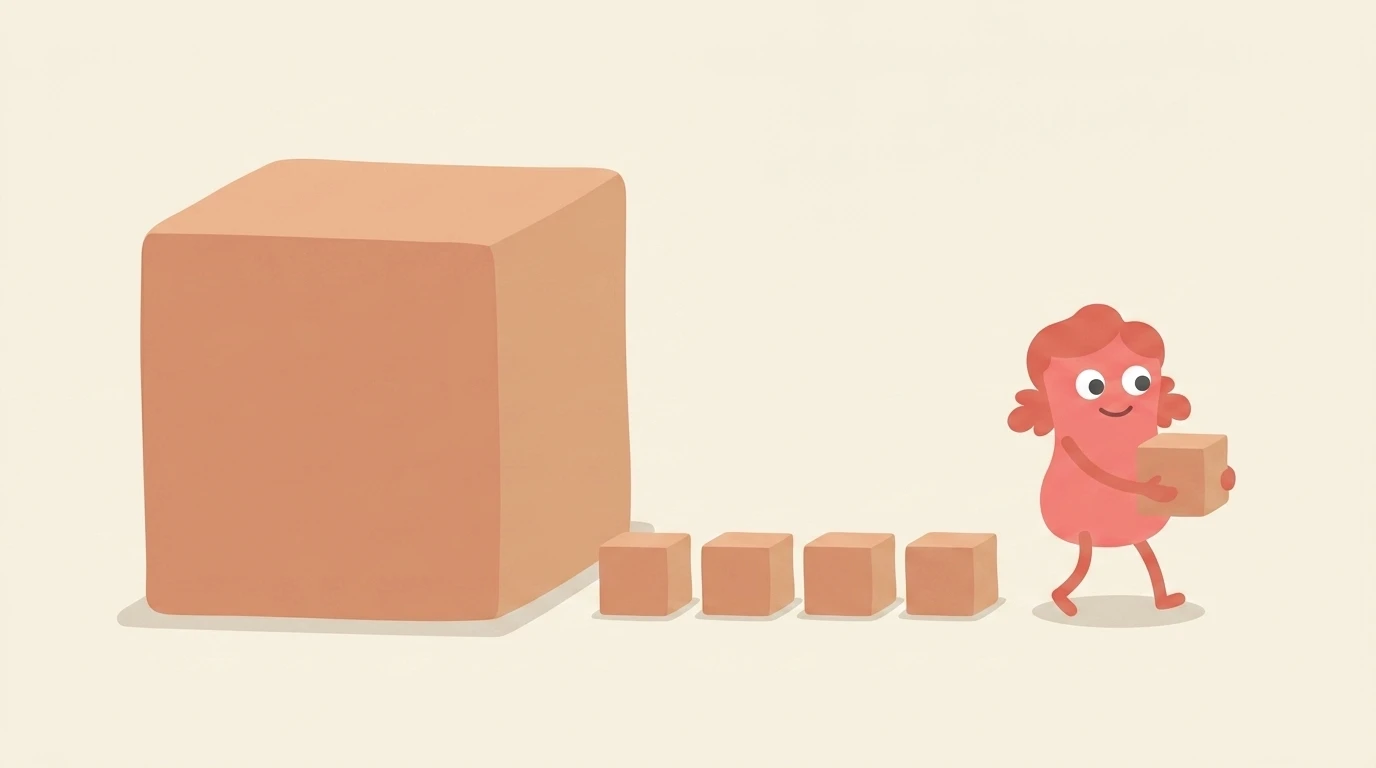
A looming deadline changes the math on how to study. Here is what to do when you do not have the weeks that ideal spacing assumes.
Discipline is not a personality trait you either have or lack. It is a depletable, trainable resource, and the research shows what actually depletes and rebuilds it.
ADHD motivation doesn't fade like ordinary motivation does. It collapses in a specific, researchable pattern, and the same research shows what brings it back.