Why ADHD in Women Gets Missed for Decades
The diagnostic criteria for ADHD were built by watching hyperactive boys. Here's why so many women don't get answers until their thirties, forties, or later.
Rachel SteinRead →

5 posts tagged with "Women"
Next time you search, our newest guide shows up.
The diagnostic criteria for ADHD were built by watching hyperactive boys. Here's why so many women don't get answers until their thirties, forties, or later.

Perimenopause amplifies ADHD symptoms through estrogen fluctuations that disrupt dopamine regulation, executive function, and emotional control. Women with ADHD face compounded challenges during this transition, requiring adjusted treatment strategies and self-compassion practices.
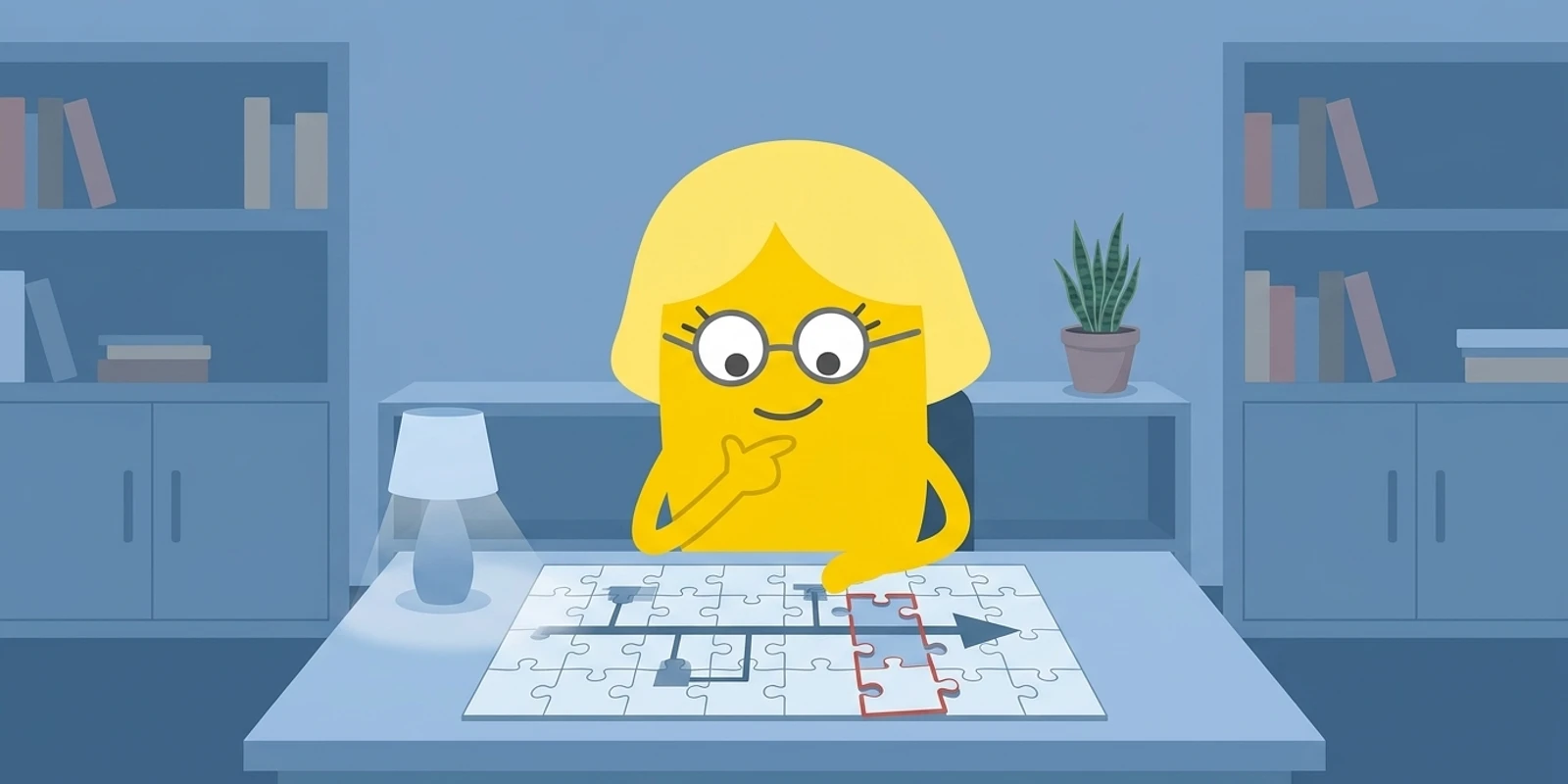
If you spent years being treated for anxiety or depression before anyone mentioned ADHD, you are not alone. Women with ADHD are chronically underdiagnosed because their symptoms look nothing like the hyperactive boys that shaped the original research. This guide covers the evidence-based treatment paths, from medication to cognitive behavioral therapy to daily systems, that work for women's specific presentations.
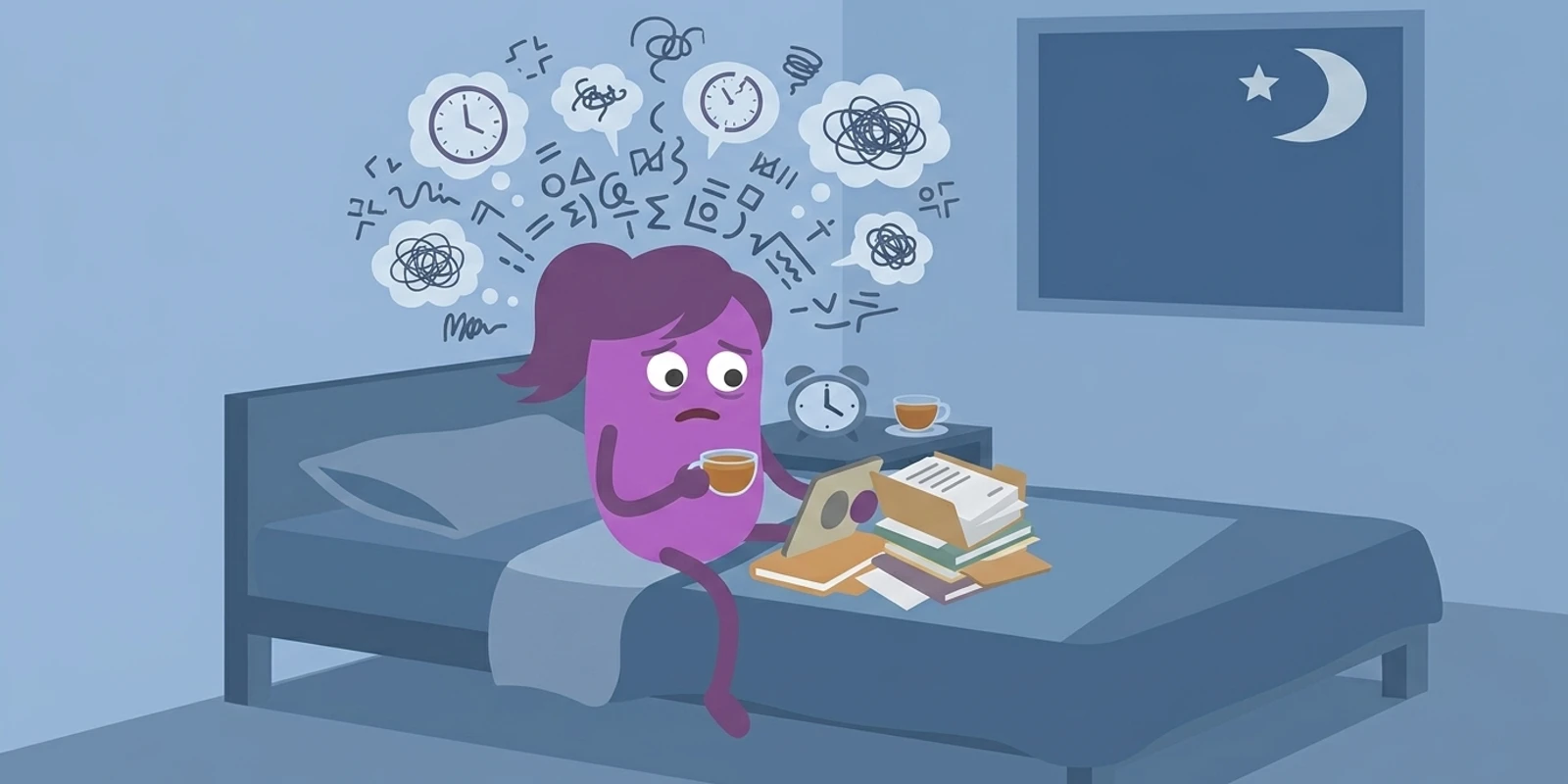
Estrogen doesn’t just regulate your cycle; it also modulates dopamine, the same neurotransmitter already scarce in ADHD brains. When levels drop at menopause, symptoms such as forgetfulness, emotional volatility, and time blindness can surge overnight.
Women with ADHD are diagnosed an average of 5 years later than men — not because their symptoms are milder, but because they mask differently. Here's why late diagnosis happens, what it costs, and the specific steps that help after you finally get answers.