← All posts

neuroscience

63 posts tagged with "neuroscience"

Next time you search, our newest guide shows up.

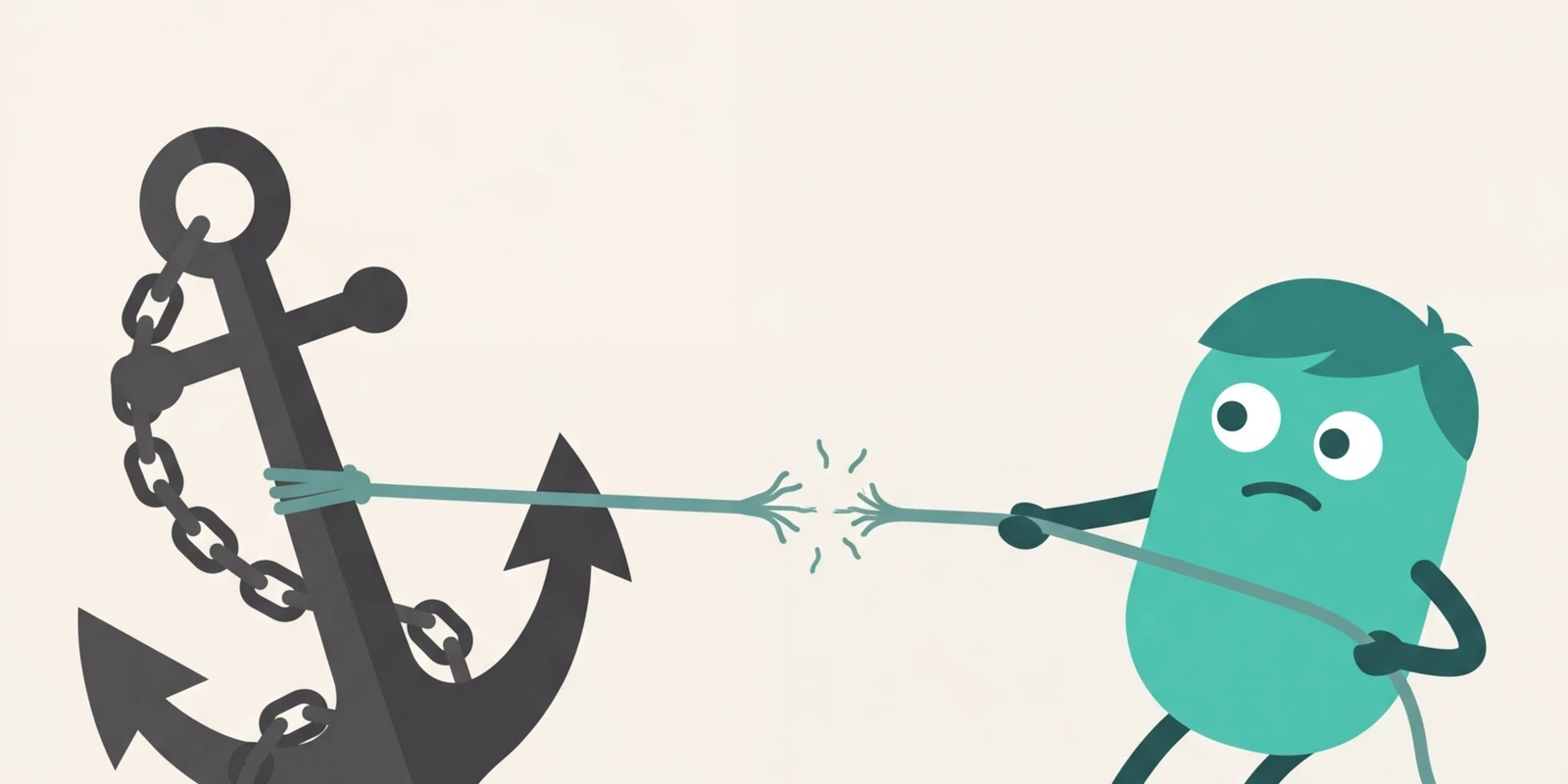
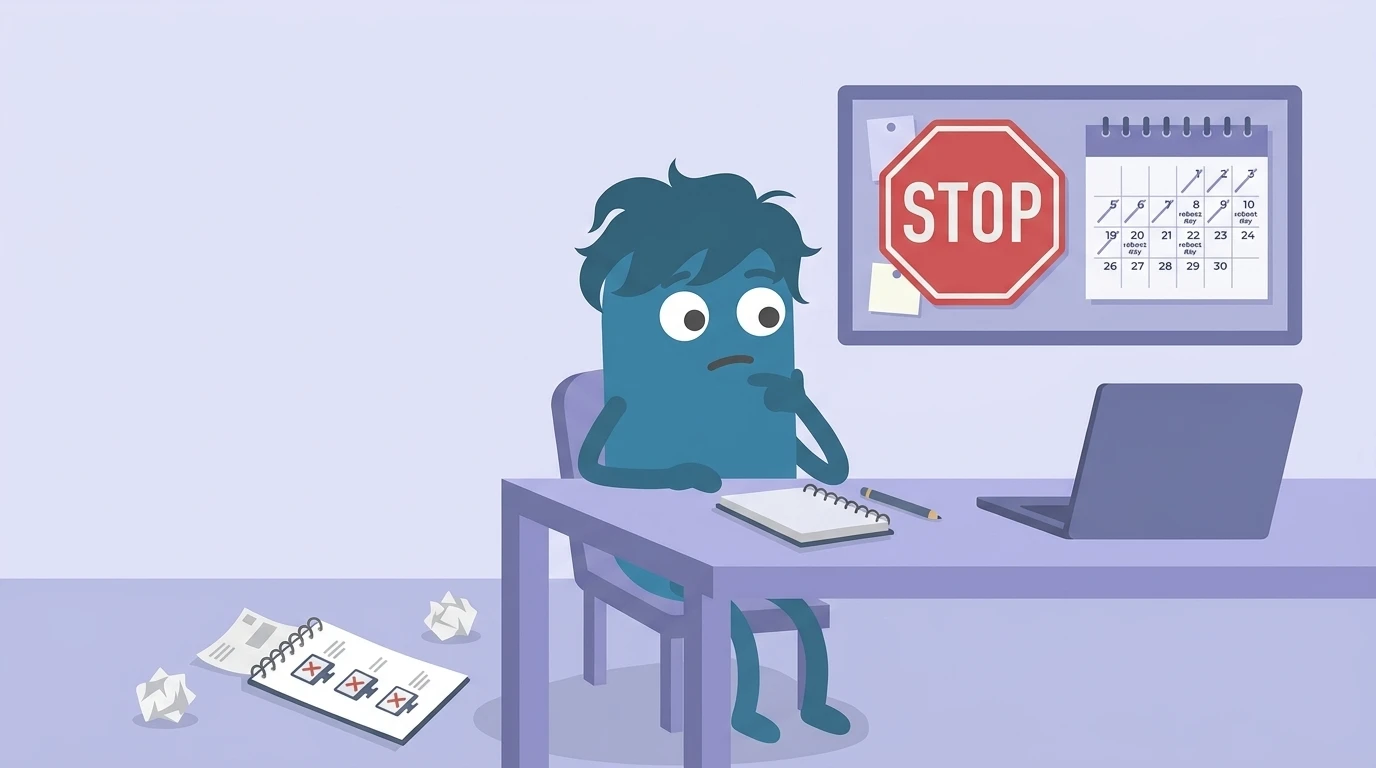
Illustration for the article: Low Cortisol and ADHD: Understanding the Hidden Connection
May 22, 20267 min read

Low Cortisol and ADHD: Understanding the Hidden Connection

**Low cortisol—a state of adrenal insufficiency or dysregulation—can amplify ADHD symptoms by depleting energy reserves, impairing focus, and disrupting the brain's stress-response systems.** While ADHD is primarily a dopamine-related executive function disorder, cortisol plays a critical supporting role in maintaining alertness, regulating inflammation, and modulating the body's response to daily demands. When cortisol levels drop too low, adults with ADHD often experience worsening brain fog, fatigue, and difficulty initiating tasks—creating a compounding effect that standard ADHD treatments may not fully address.

Dana KimRead →
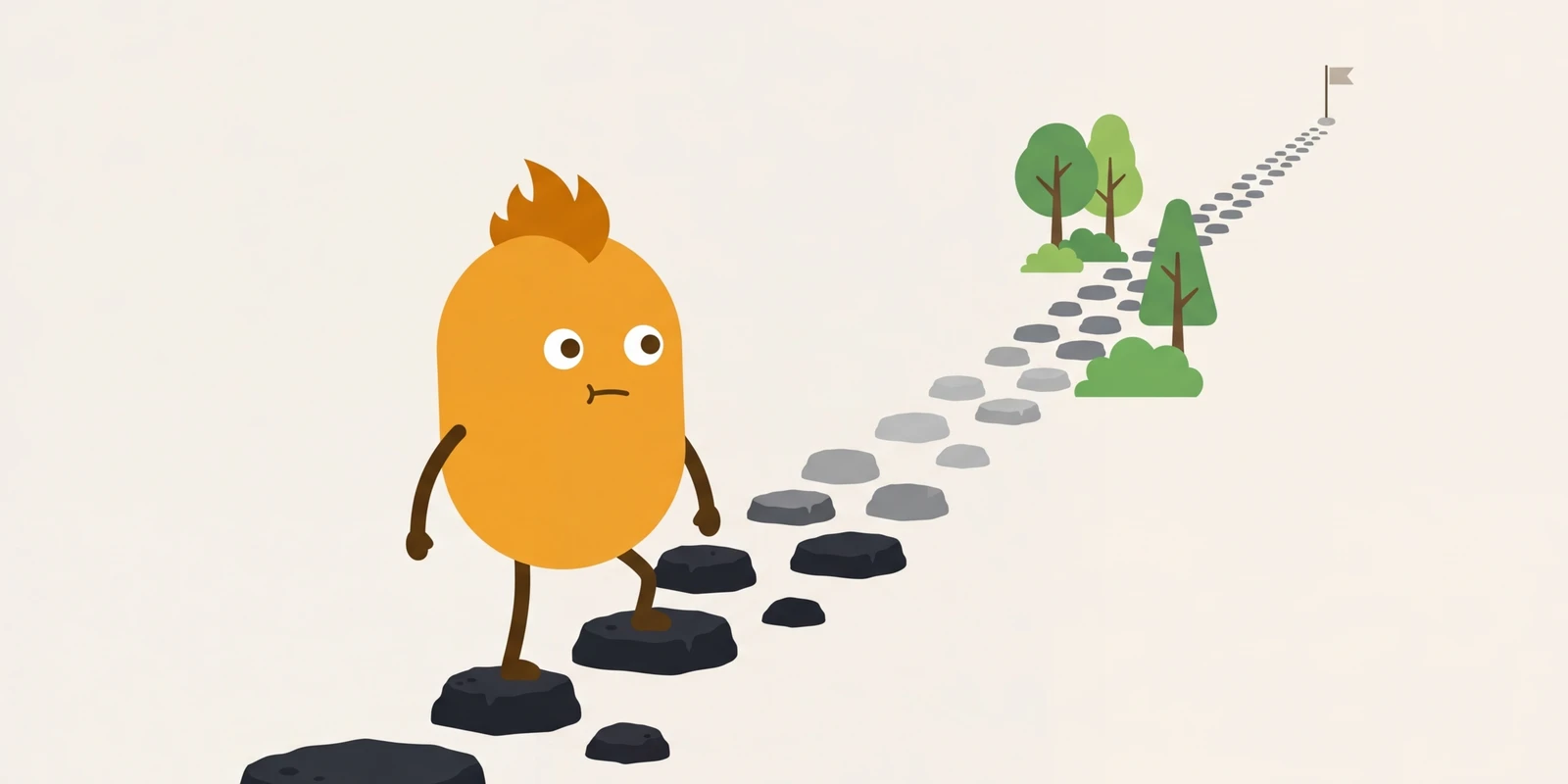
Illustration for the article: Time Blindness Without ADHD: Can Anyone Experience It?
April 27, 20267 min readADHD & Neurodivergence

Time Blindness Without ADHD: Can Anyone Experience It?

Time blindness — the inability to sense time passing accurately — is most strongly linked to ADHD, but it appears in autism, depression, anxiety, chronic stress, and in neurotypical people under specific conditions. Understanding whether your time perception problems are ADHD-specific or have another cause changes which interventions actually help.

Rachel SteinRead →
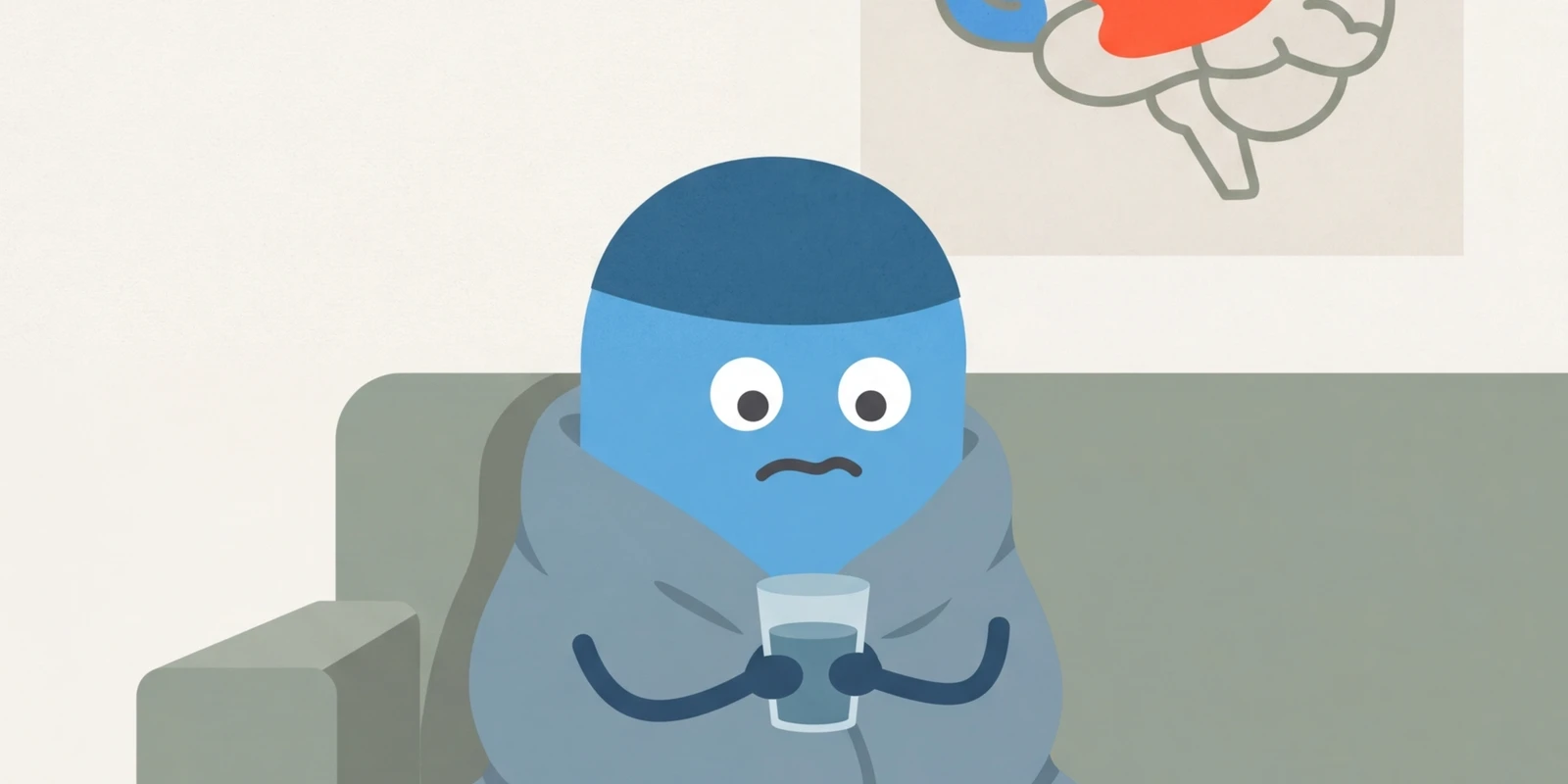
Illustration for the article: ADHD Time Blindness Test: Do You Lose Track of Time?
April 27, 20267 min readADHD & Neurodivergence

ADHD Time Blindness Test: Do You Lose Track of Time?

ADHD time blindness is the neurological inability to sense time passing from the inside — leading to chronic lateness, missed deadlines, and the experience of hours disappearing without warning. This self-assessment covers the key signs, how to identify whether your time perception problems are ADHD-driven, and what you can do about it.

Rachel SteinRead →