July 20, 20266 min read

Dopamine Detox Is Mostly Wrong. Here's What Actually Works

Sitting in a dark room avoiding food, screens, and conversation sounds like suffering for suffering's sake. Turns out it largely is. The dopamine detox craze is built on a misreading of neuroscience, and the fixes that actually work look nothing like what influencers are selling.

GetMotivated.ai Team

Last reviewed: August 2026

Illustration for the article: Dopamine Detox Is Mostly Wrong. Here's What Actually Works

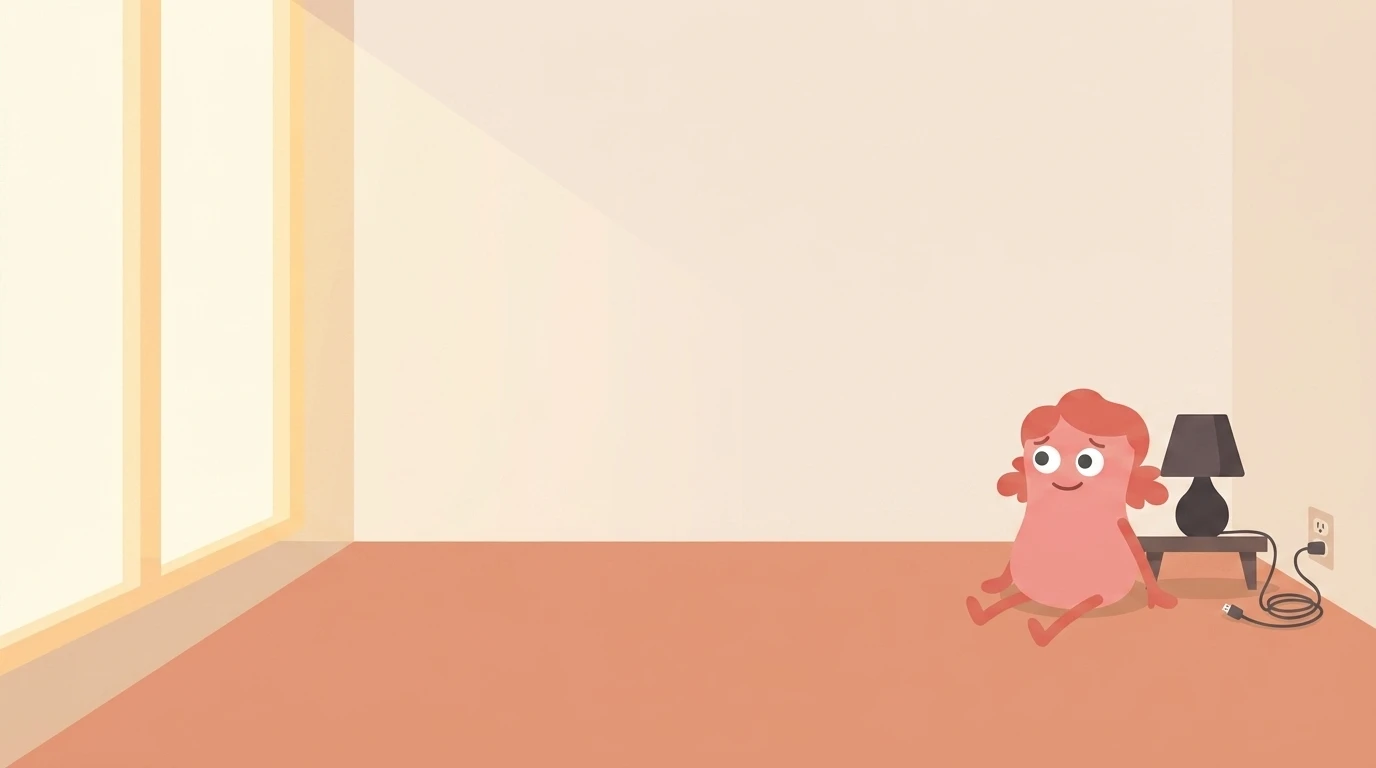
The dopamine detox has a compelling premise: our brains are flooded with cheap stimulation, focus has collapsed, and a deliberate fast from pleasure will reset the system. Millions of people have tried it. Some sat in empty rooms, avoided music, skipped seasoned food, and stared at walls for eight hours. Then they went back to their phones and felt more or less the same a week later.

That is not a coincidence. The dopamine detox is built on a category error, and understanding why it fails is more useful than any detox day you could schedule.

What Dopamine Detox Actually Claims

The idea spread rapidly after a 2019 viral post by Dr. Cameron Sepah, a clinical psychologist, who proposed a behavioral intervention he called "dopamine fasting." His actual protocol was about reducing impulsive responses to specific triggers. It was sober, clinical, and narrowly scoped.

What the internet turned it into was something else: avoid all stimulation, including conversation, complex food, and eye contact in some versions, to physically lower your dopamine levels and restore baseline sensitivity. The framing made for compelling content. It also got the neuroscience almost entirely wrong.

The Neuroscience That Undercuts the Craze

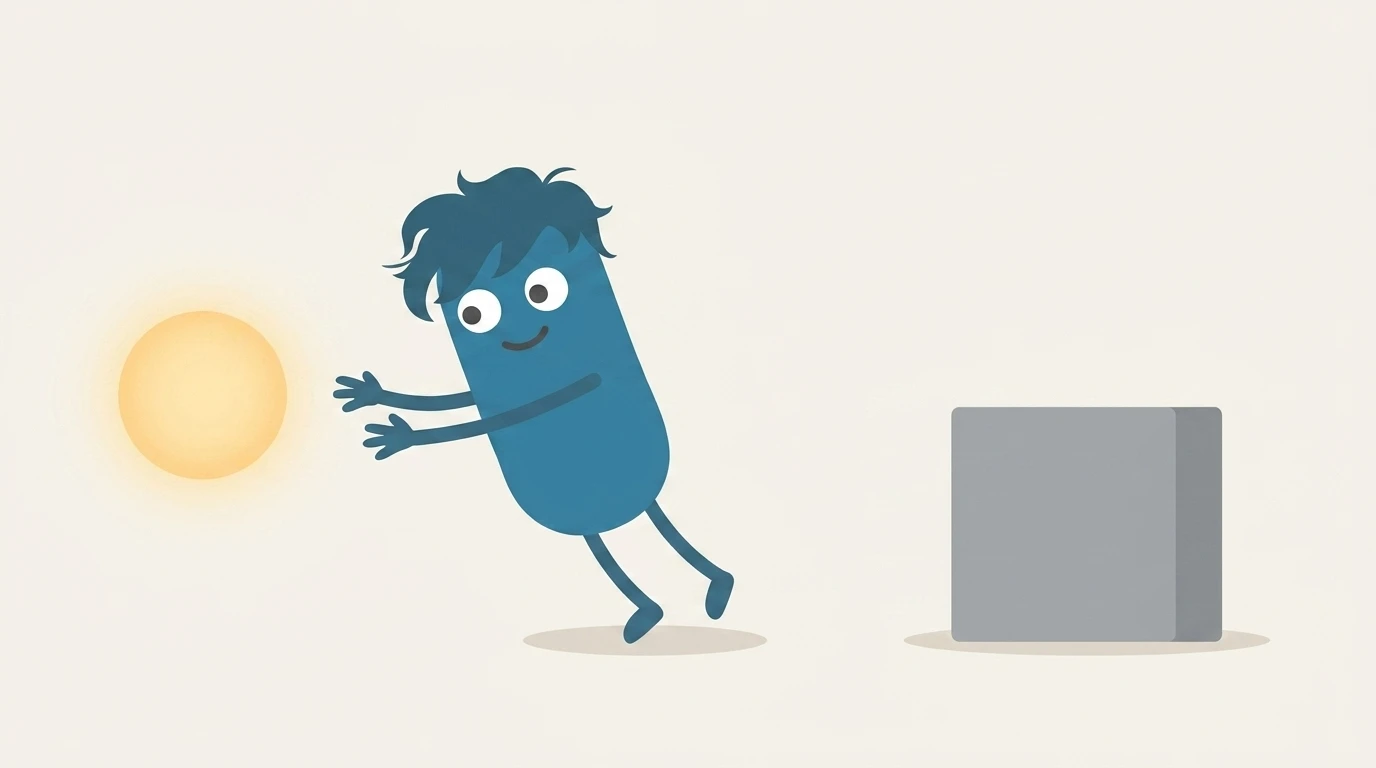
Dopamine is not a reward molecule in the way popular coverage suggests. As Stanford professor Andrew Huberman explains in his deep-dive on dopamine regulation, the chemical is fundamentally about anticipation and motivation, not the pleasure of a reward itself. Dopamine drives you toward things. It creates craving and forward momentum. It does not spike when you feel satisfied; it spikes when you expect something good might happen.

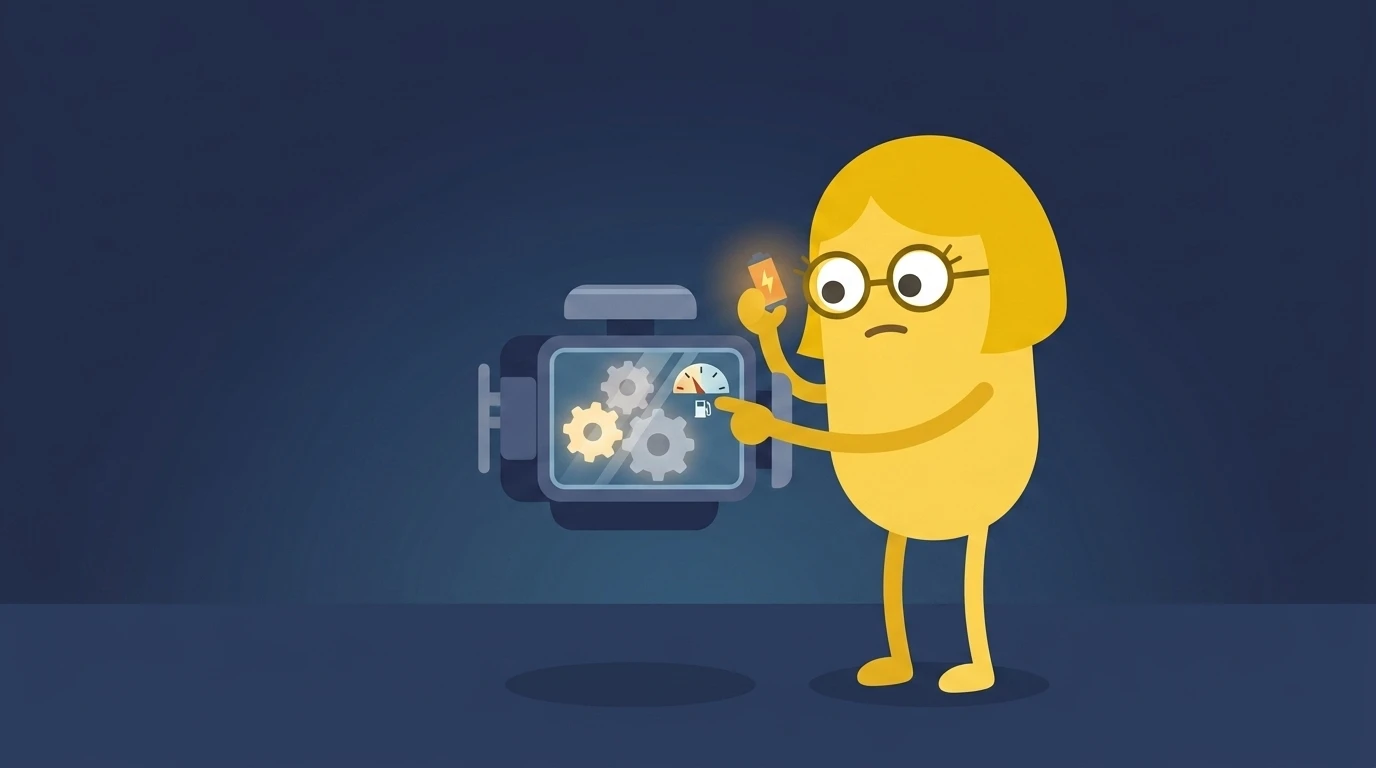
This means the architecture of the detox argument collapses immediately. Sitting in a dark room does not drain your dopamine supply. Dopamine is synthesized on demand. It regulates movement, memory, mood, and basic cognitive function continuously. You cannot fast from a neurotransmitter the way you fast from carbohydrates.

The National Institute on Drug Abuse describes how repeated exposure to high-stimulation inputs can alter the brain's reward circuitry over time, creating tolerance. That part is real. The leap from "chronic overstimulation changes reward sensitivity" to "a single day of deprivation reverses it" is not supported by research. Tolerance develops over weeks and months. It recalibrates over weeks and months. One Saturday in a sensory-reduced apartment changes very little at the circuit level.


Related Challenges & Plans

What the Movement Gets Right (Sort Of)

Here is where it gets more nuanced. The dopamine detox craze is wrong about the mechanism, but it stumbles onto a real problem.

Anna Lembke, in Dopamine Nation, documents extensively how the modern environment is saturated with high-dopamine stimuli: social feeds engineered for compulsive use, ultra-processed food optimized for overconsumption, and entertainment designed to eliminate any gap between desire and satisfaction. Chronic exposure to these inputs does blunt the reward system's response to ordinary life. The pleasure-pain balance Lembke describes tips toward a baseline of mild dissatisfaction, which then drives more seeking behavior.

The detox advocates are correct that something is off and that reducing exposure to high-stimulation inputs is part of the solution. Where they go wrong is in treating it as an acute intervention rather than a sustained behavioral shift. A single detox day is like deciding to exercise once to improve cardiovascular health. The intention points in the right direction. The implementation misses by a wide margin.

What Actually Resets Your Reward System

If periodic deprivation does not move the needle, what does?

Reduce the specific behaviors causing problems

The research supports targeting specific high-stimulation inputs rather than going on a general pleasure fast. If you are compulsively checking social media, the intervention is reducing social media, not also giving up music and interesting food. Blanket deprivation adds suffering without improving precision. Behavioral specificity does.

Extend the gap before acting on impulse

One mechanism Lembke and others describe is the value of creating space between impulse and action. Waiting ten minutes before opening a feed, delaying a snack, finishing a task before checking a notification: these small delays, repeated consistently, recondition the brain's tolerance for the delay of gratification. This is concrete and incremental, and the research on habit formation backs it up.

Replace, do not just remove

Empty time tends to refill. If you remove high-stimulation behavior without replacing it, the pull back toward it is strong. Huberman's protocols for sustaining motivation and attention emphasize that low-stimulation activities, reading physical books, slow walks, analog hobbies, need to be deliberately cultivated before they feel rewarding, because the reward system takes time to recalibrate to slower inputs.

Consistency over intensity

Two weeks of slightly reduced phone use produces more lasting change than one dramatic detox weekend followed by a return to normal patterns. This runs directly against the appeal of the dopamine detox as a concept, which is that a single dramatic gesture can fix a chronic pattern. It usually cannot.

---

None of this means you should not take breaks from your phone or give yourself a slower Sunday. Those things are fine. The problem is framing them as neurological interventions when they are simply ordinary rest. Calling something a "detox" implies a medical mechanism that does not exist here, and that framing can crowd out the less dramatic but more effective work: building new habits over time.

If your focus has been fragmenting and motivation feels thin, the fix is not one weird day. It is a series of unremarkable ones, made more likely by having a structure that supports them.

GetMotivated.AI's Focus Reset Challenge is built around exactly this: four weeks of small, incremental changes to your daily environment and attention habits, grounded in behavioral science rather than trending content. No suffering required.

Next time you search, our newest guide shows up.

Sources

Controlling Your Dopamine For Motivation, Focus & SatisfactionVideo
Andrew Huberman
Stanford professor Andrew Huberman explains the neurobiology of dopamine and its role in driving motivation, desire, and addiction. This episode offers practical protocols like cold water therapy to sustain energy and focus while avoiding the pitfalls of dopamine depletion.
Dopamine Nation: Finding Balance in the Age of IndulgenceBook
Anna Lembke
A compelling look at the neuroscience of addiction and the "pleasure-pain balance," offering strategies to reclaim focus and moderation in a world of instant gratification.
The Important Role of Executive Functioning and Self-Regulation in ADHDArticle
russellbarkley.org · Russell A. Barkley, Ph.D.
ADHD is characterized by deficits in self-regulation and executive functioning, which are closely related. Effective management involves externalizing internal information and motivation, providing immediate rewards, and using medication to address underlying neurological issues, as traditional appr
Spark: The Revolutionary New Science of Exercise and the BrainBook
John J. Ratey & Eric Hagerman
This book explores how aerobic exercise and complex movement stimulate neuroplasticity and the production of BDNF to optimize cognitive performance and emotional health.
The Exercise EffectArticle
apa.org · Kirsten Weir
This 2011 APA Monitor article examines the significant impact of physical exercise on mental health, mood, and cognitive function.
Self-Compassion: The Proven Power of Being Kind to YourselfBook
Kristin Neff
Kristin Neff explores self-compassion as a transformative tool for mental health, offering a practical framework based on self-kindness, mindfulness, and our shared human experience.
Self-Compassion: The New ADHD TreatmentArticle
additudemag.com · Kristin Neff
This article explores how self-compassion builds resilience in adults with ADHD by replacing self-criticism with a mindfulness-based practice of self-kindness and shared humanity.

Topics

AI-ready summary

This post challenges the popular dopamine detox movement by explaining what dopamine actually does in the brain. Citing neuroscience from Anna Lembke and Andrew Huberman, it argues that you cannot detox a neurotransmitter and that the craze misrepresents the underlying science. The post identifies the kernel of truth in the movement, which is that high-stimulation behaviors can desensitize reward circuits, then pivots to evidence-based practices that genuinely recalibrate motivation and focus. It ends with a CTA toward GetMotivated.AI's focus-related challenges.

Key takeaways

  • Dopamine detox does not lower or drain your dopamine levels; that is not how the neurochemistry works
  • Abstaining from specific high-stimulation behaviors can reduce compulsive use patterns, which is the real mechanism behind any benefit
  • Sustainable focus comes from building lower-stimulation habits, not from periodic deprivation days

FAQs

What is a dopamine detox?

A dopamine detox is a practice, popularized on social media, where a person avoids pleasurable activities like social media, food variety, music, and entertainment for a set period. The idea is that this "resets" dopamine levels. The concept was loosely adapted from behavioral psychiatrist Dr. Cameron Sepah's clinical protocol for reducing impulsive behavior, though his original framework had little to do with neurotransmitter levels.

Does dopamine detox actually work?

Not in the way proponents claim. You cannot meaningfully lower or flush dopamine from your brain through a day of boredom. What does happen is that abstaining from high-stimulation behaviors can reduce compulsive urges over time, which is a real and documented effect. That benefit has nothing to do with detoxing a chemical.

How long does a dopamine detox take?

A single-day detox does essentially nothing at the neurochemical level. Research on reward-circuit recalibration, including work cited in Anna Lembke's Dopamine Nation, suggests that meaningful changes in sensitivity to everyday rewards typically require weeks of sustained behavior change, not a weekend fast.

What happens to your brain during a dopamine detox day?

Dopamine continues circulating and functioning normally, because it regulates movement, memory, and basic arousal, not just reward. What may shift is your momentary experience of craving for specific stimuli. If that day creates a behavioral pattern you maintain, it can be the start of something useful. On its own, it is mostly uncomfortable without lasting effect.

What should I do instead of a dopamine detox?

Focus on reducing the specific high-stimulation behaviors causing problems, whether that is social media, gaming, or snack foods, and replace them with lower-stimulation alternatives. Build the replacement habits over weeks, not hours. Practices like morning exercise, distraction-free work blocks, and deliberate rest periods have more research support than any single deprivation day.

Related Challenges & Plans

Keep reading