What Actually Reduces Phone Use, and What Does Not
A 2026 meta-analysis of 125 treatment studies shows which interventions for problematic phone and social media use actually work, and which ones you've probably already tried.
Dana KimRead →

9 posts tagged with "sleep"
Next time you search, our newest guide shows up.
A 2026 meta-analysis of 125 treatment studies shows which interventions for problematic phone and social media use actually work, and which ones you've probably already tried.
Falling asleep usually isn't the problem. Stopping what you're doing is. Here's why ADHD makes the evening transition so hard, and what changes it.
The exhaustion in early recovery isn't a motivation problem, it's a measurable dip in attention and reward response that fades as sleep and the brain's reward system stabilize.
You've ruled out depression, but you still can't make yourself do anything. Mental fatigue, sleep debt, and a naturally lower baseline dopaminergic tone can flatten motivation on their own, and each one is measurable and addressable.
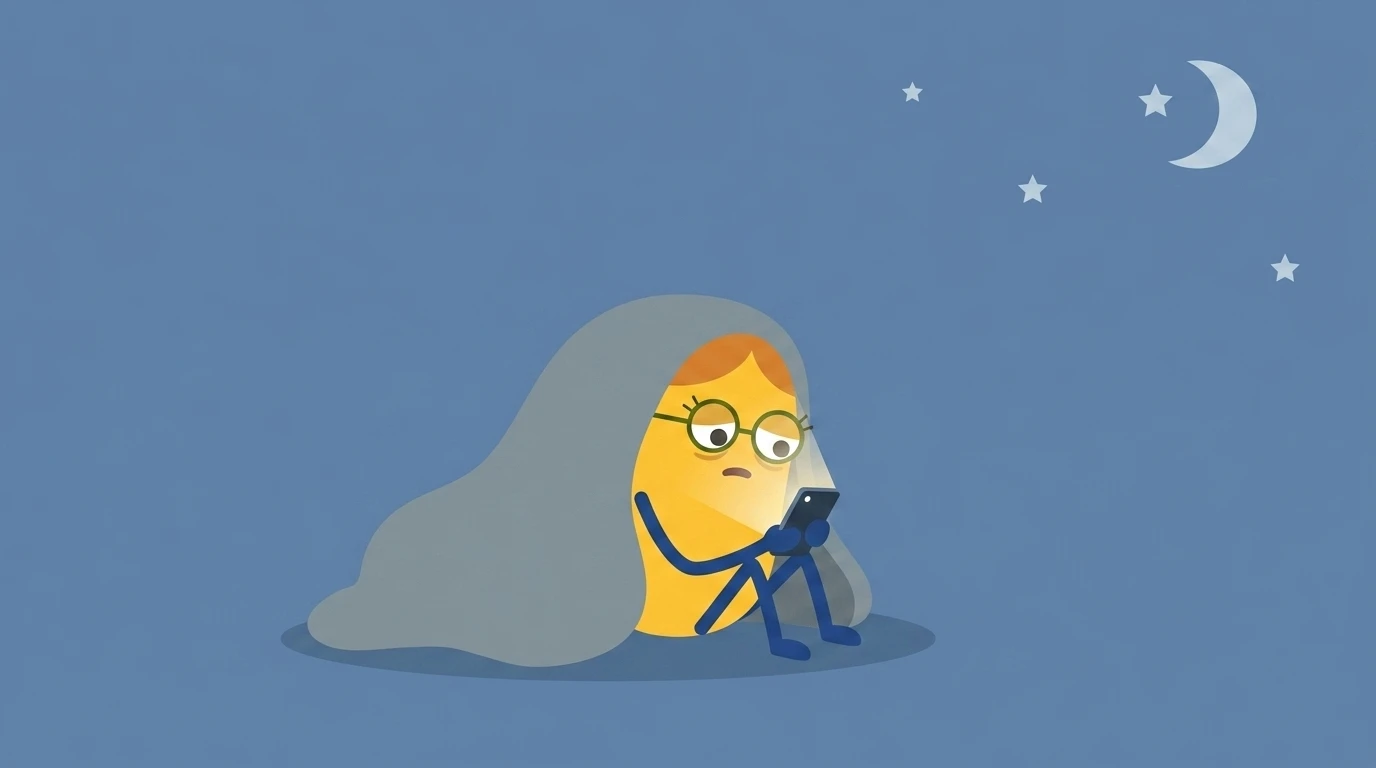
Deleting apps rarely works because low mood usually comes first. Research on 584 students shows what actually drives phone addiction, and what helps.
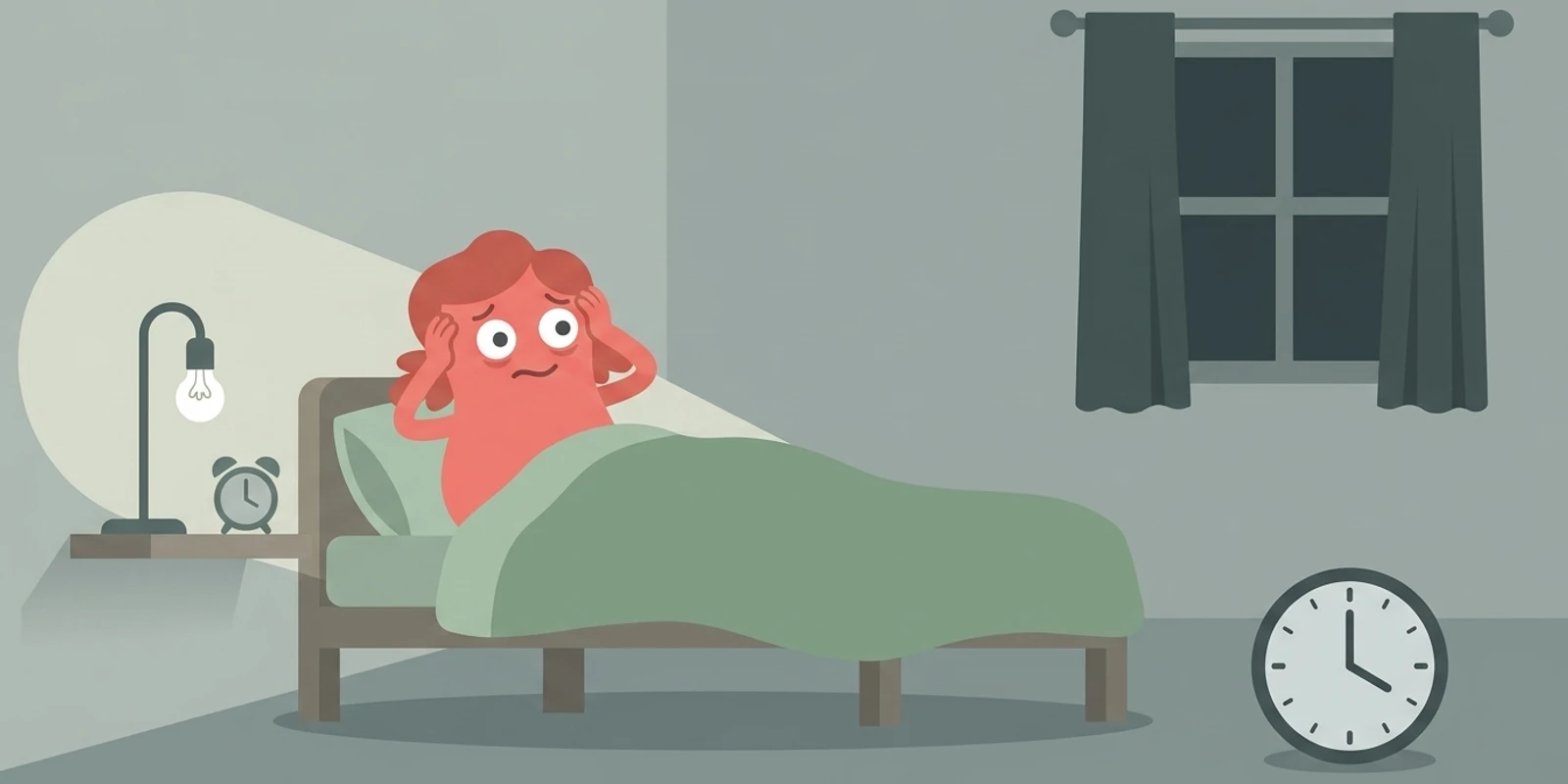
Delayed sleep phase disorder affects up to 73% of adults with ADHD, making it nearly impossible to fall asleep before 2 AM. This isn't laziness—it's a neurobiological mismatch between your internal clock and society's schedule.
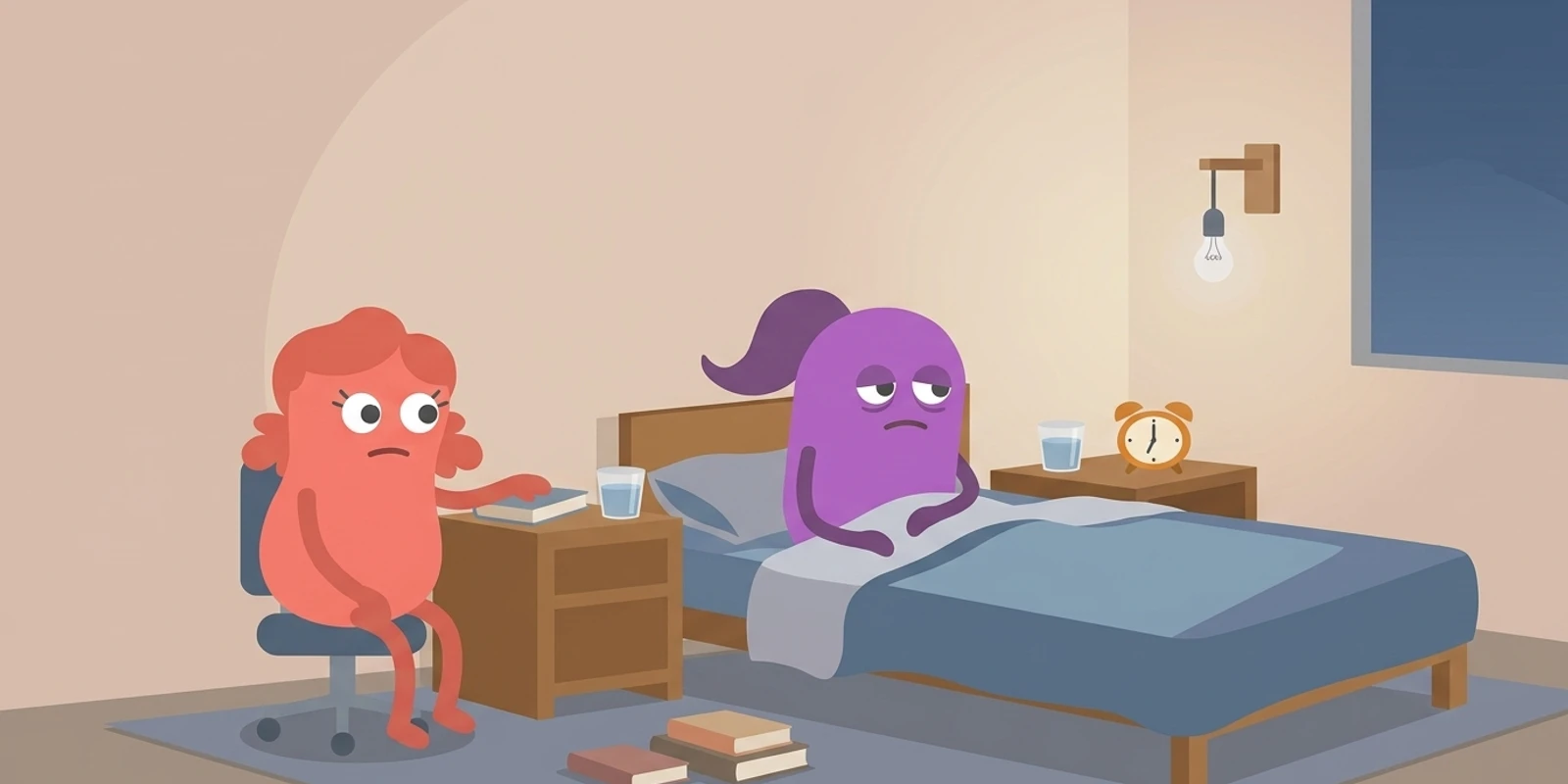
ADHD adults experience chronically elevated cortisol from executive function friction, rejection sensitivity, and daily overwhelm. Six supplements have meaningful clinical evidence for cortisol reduction, and several work especially well for the ADHD nervous system.
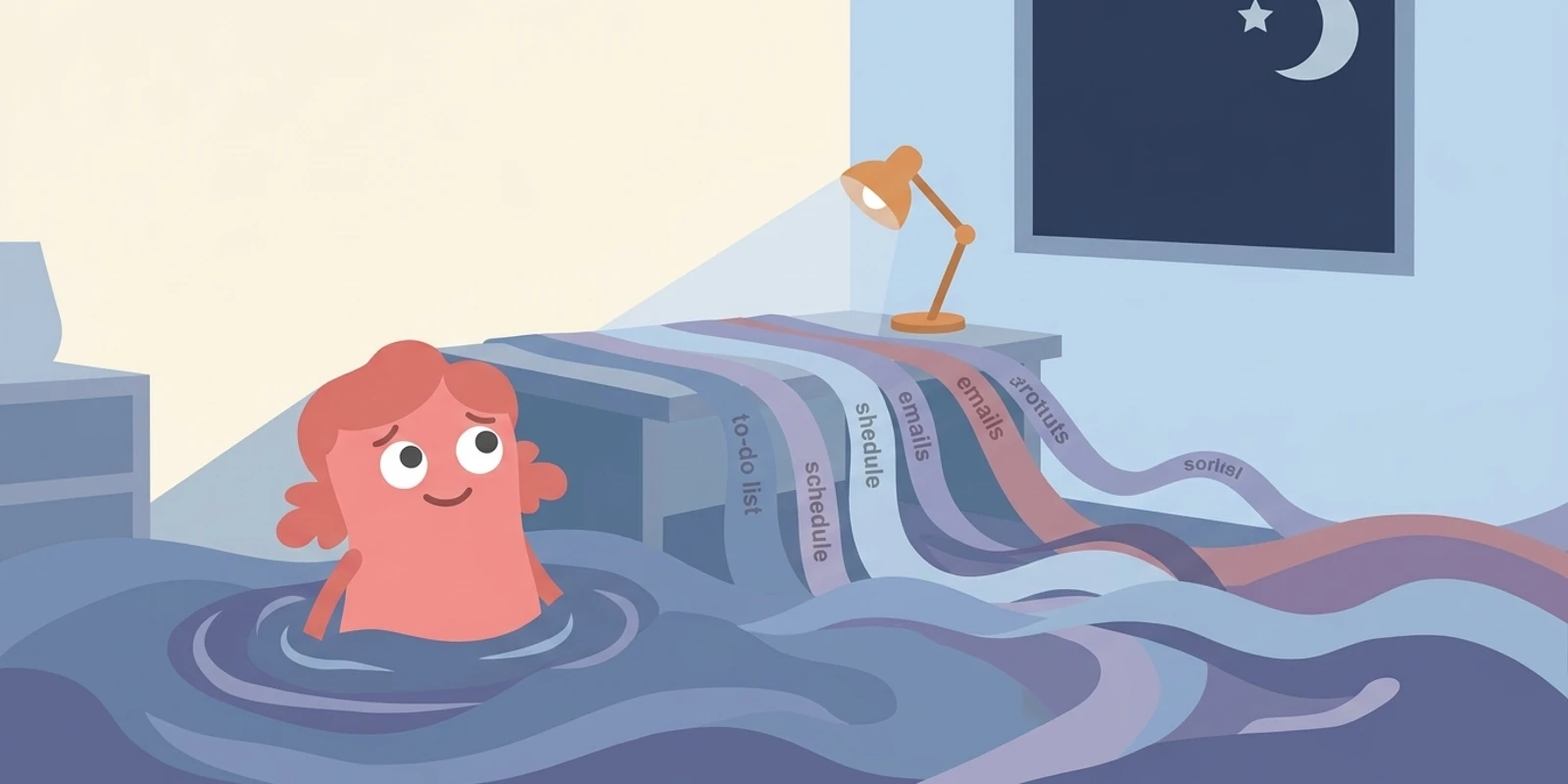
For ADHD adults, cortisol does not just spike harder, it lingers longer. Rejection sensitivity, executive function strain, and chronic shame all load the stress axis in ways most cortisol guides ignore. This post covers what actually works for ADHD nervous systems, fast.
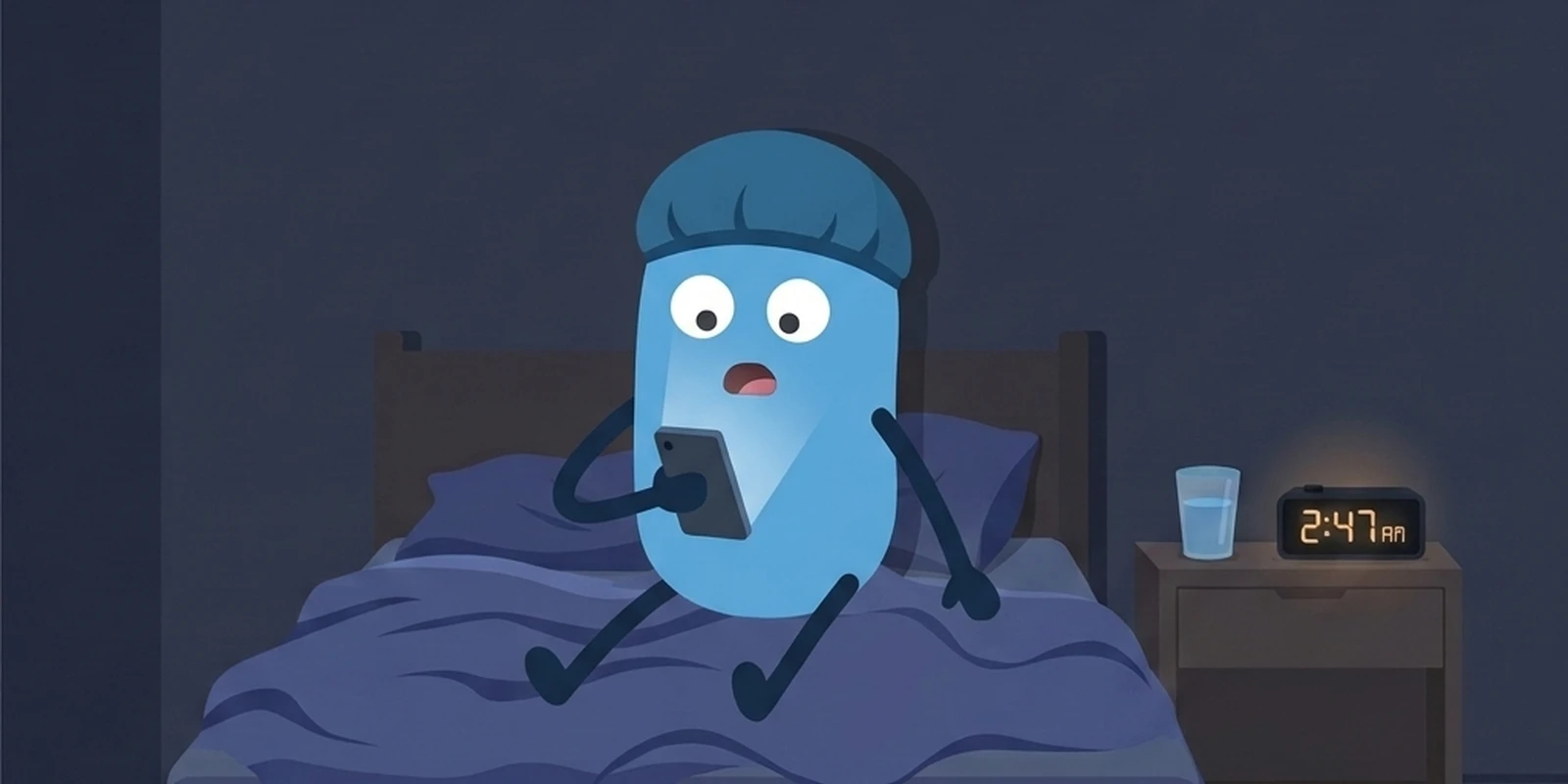
ADHD and sleep problems are neurologically linked — it's not laziness or bad habits. Delayed sleep phase, racing thoughts, and revenge bedtime procrastination are common ADHD experiences. Here's what causes them and what actually works.