How to Get Motivated to Do Homework When You Just Don't Want To
Homework is boring, assigned, and has no consequence for skipping it tonight. Learn why that specific setup kills motivation, and a plan proven to fix it.
Rachel SteinRead →

26 posts tagged with "motivation"
Next time you search, our newest guide shows up.
Homework is boring, assigned, and has no consequence for skipping it tonight. Learn why that specific setup kills motivation, and a plan proven to fix it.
Motivation fades because it's a mood spike, not a resource or a trait. Here's the research on why, and the structure that works after the feeling is gone.
The forums say break it into steps and reward yourself after. Here is why that advice doesn't survive Monday morning, and what actually gets you moving before motivation shows up.
A systematic review of ADHD apps found moderate quality and weak engagement features. The apps aren't the problem — what's missing is the part that keeps you coming back.
Most motivation hacks spike and fade fast. Learn the mechanism, based on real research, that turns intention into action and builds lasting motivation.
Falling asleep usually isn't the problem. Stopping what you're doing is. Here's why ADHD makes the evening transition so hard, and what changes it.
A quote isn't a mechanism. Research on implementation intentions, procrastination, and self-determination theory shows what actually makes motivation happen.
Motivation tips don't fail because you're lazy. Research shows the gap is between knowing and doing. Here's the plan that closes it, tested on hundreds.
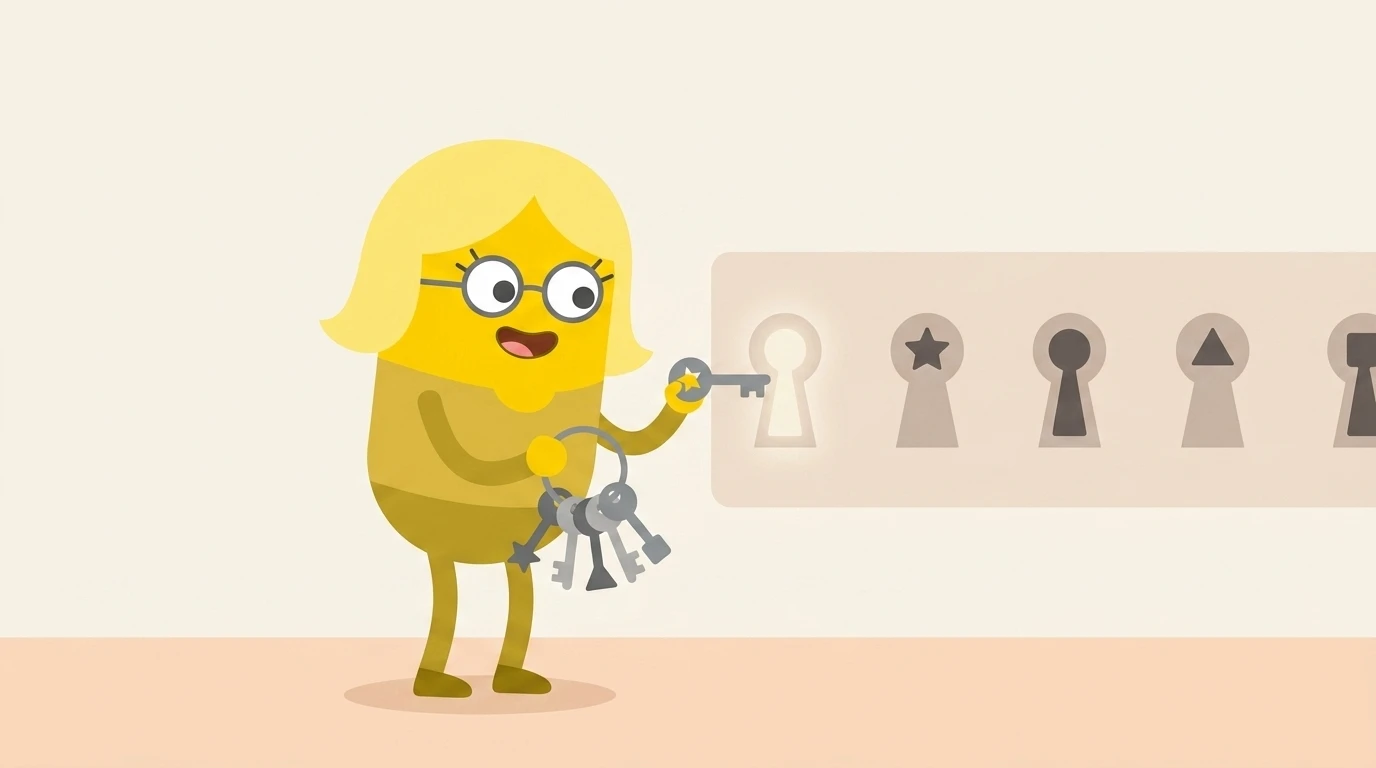
The fastest way out of a motivation slump is figuring out which one you're actually in. This guide sorts the eight most common causes and points to the fix that matches yours.
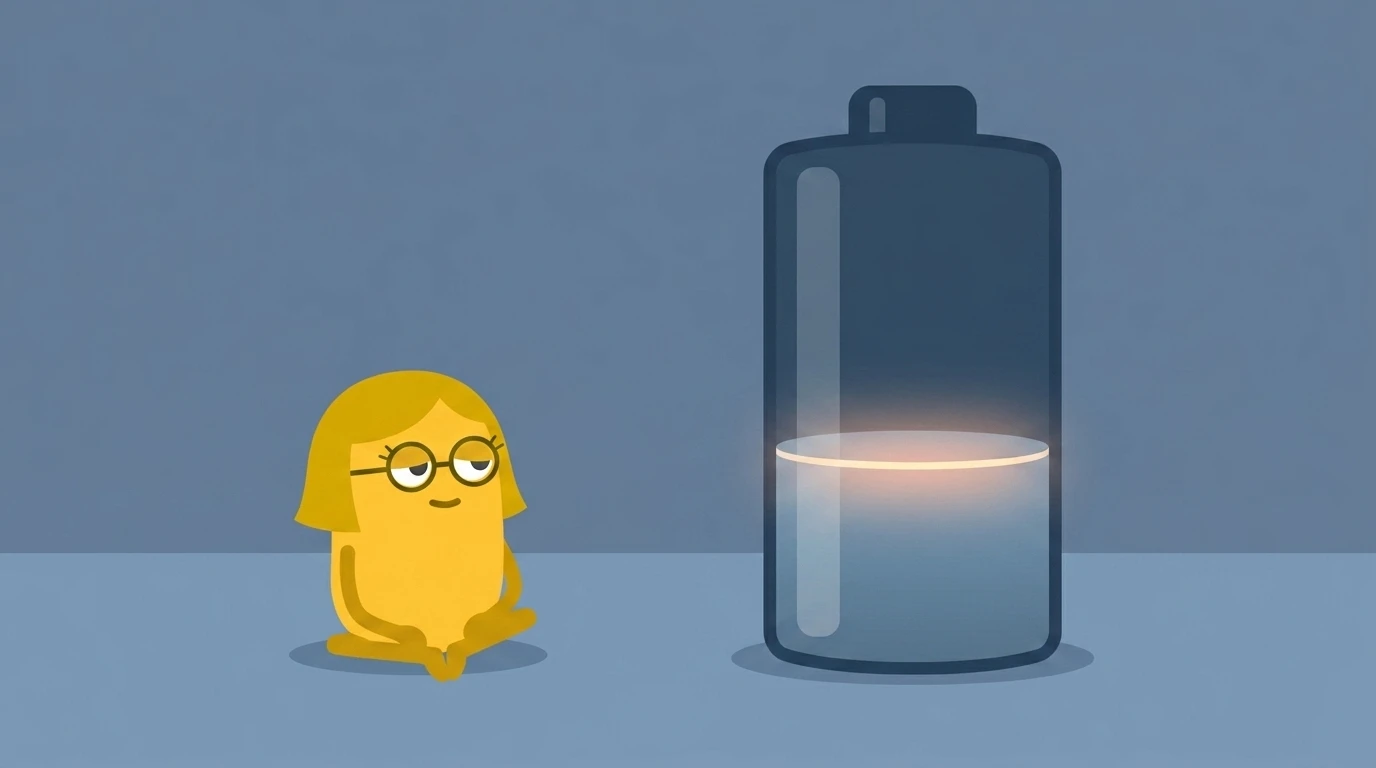
The exhaustion in early recovery isn't a motivation problem, it's a measurable dip in attention and reward response that fades as sleep and the brain's reward system stabilize.
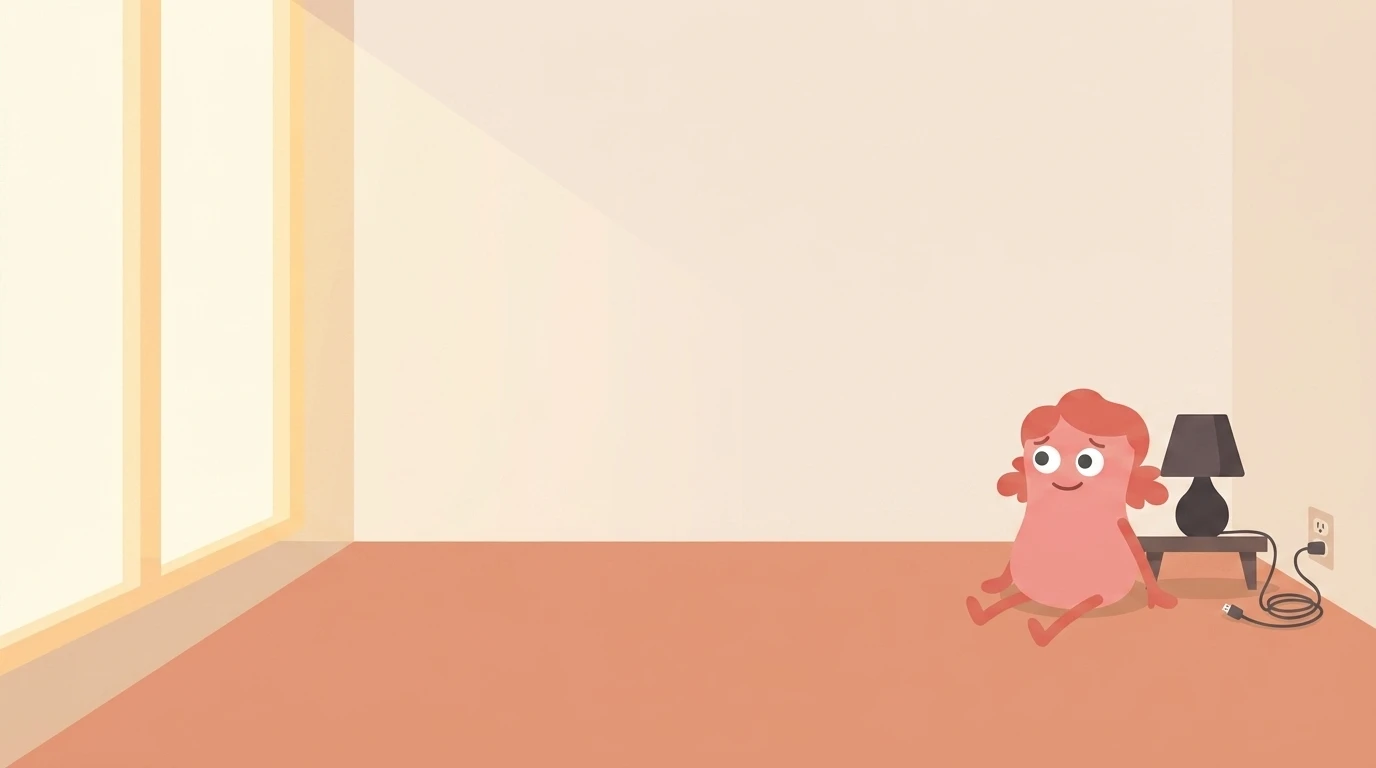
You've ruled out depression, but you still can't make yourself do anything. Mental fatigue, sleep debt, and a naturally lower baseline dopaminergic tone can flatten motivation on their own, and each one is measurable and addressable.
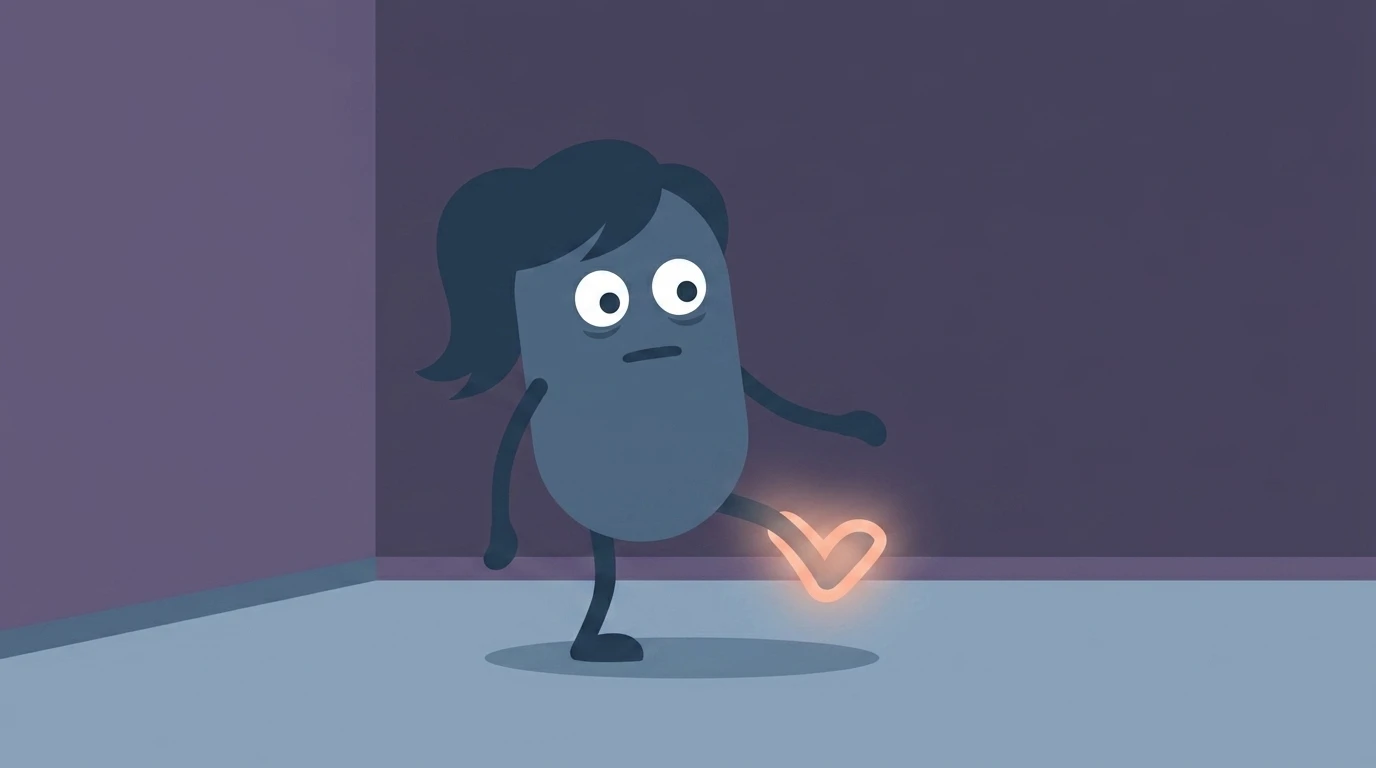
Motivation does not return before you act when you're depressed; it shows up after. Here is the research-backed order of operations, plus one three-minute tool that works even on the worst days.

ADHD does not just kill motivation for boring tasks — it can flatten motivation for everything, including things you used to enjoy. Here is the mechanism, and what actually rebuilds it.

Practical, research-backed steps for cleaning your home when depression has drained your motivation and executive function.
Motivation fades and willpower-style discipline runs out. What predicts follow-through is a system: specific if-then plans, routines that remove decisions, and protecting a limited resource instead of demanding more of it.
ADHD motivation doesn't fade like ordinary motivation does. It collapses in a specific, researchable pattern, and the same research shows what brings it back.
You're waiting to feel motivated before you study. That's the problem. Here's what the research says actually starts you moving, and why.
You're not avoiding the work. You're avoiding the feeling that you can't do it. Research-backed method: start with the easiest question, not the exam.
Procrastination isn't laziness. It's your brain avoiding a bad feeling. Here's the research, and a 10-minute method tested on 1,035 people.
ADHD motivation runs on interest, autonomy, and connection more than on deadlines or willpower. Here's what the dopamine and self-determination theory research actually shows — and how to use it instead of fighting it.
Tiny Habits and Atomic Habits agree that small actions beat big goals. They differ on the engine: Fogg builds habits with immediate emotion (celebration), while Clear builds them with cues, cravings, and identity.
The Tiny Habits method builds lasting habits with three steps: anchor a tiny behavior to a routine you already do, make it small enough to be easy, and celebrate the moment you finish.
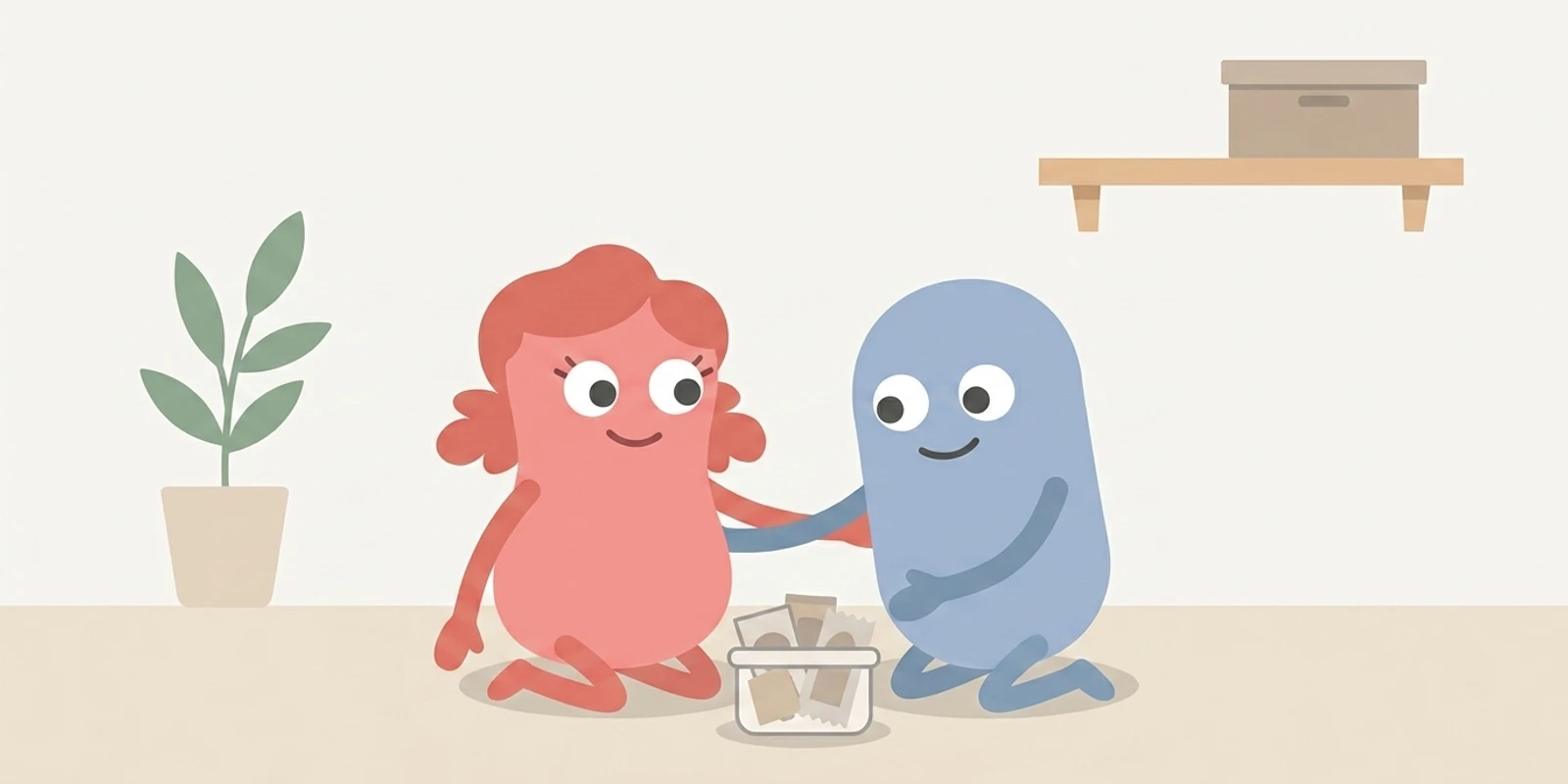
Accountability partner apps combine peer support with structured tracking to address the isolation and low self-efficacy that derail recovery and habit-building efforts.
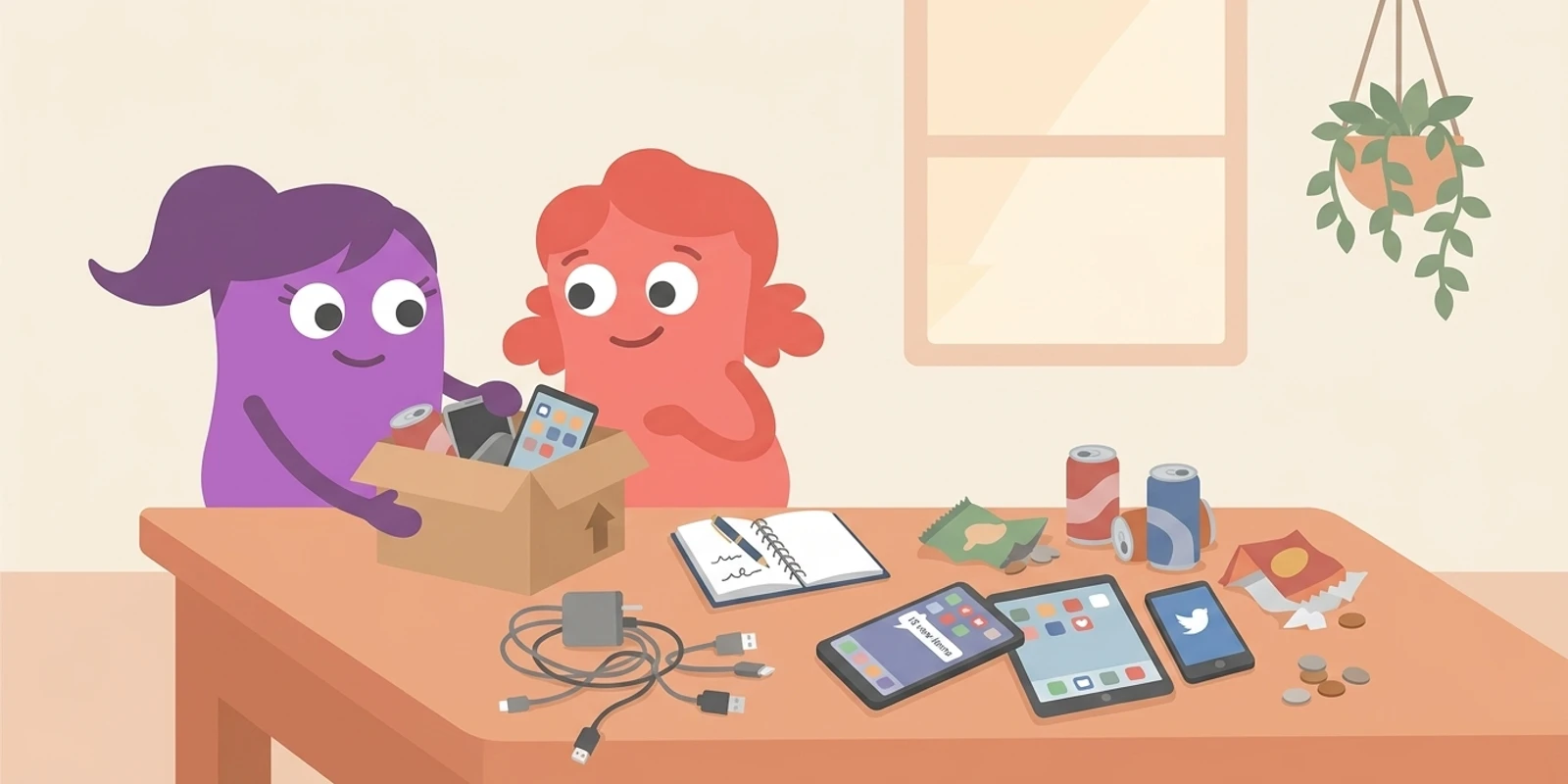
An accountability partner is someone who regularly checks in on your progress toward a specific goal, creating external motivation and social support that makes behavior change more sustainable than willpower alone.
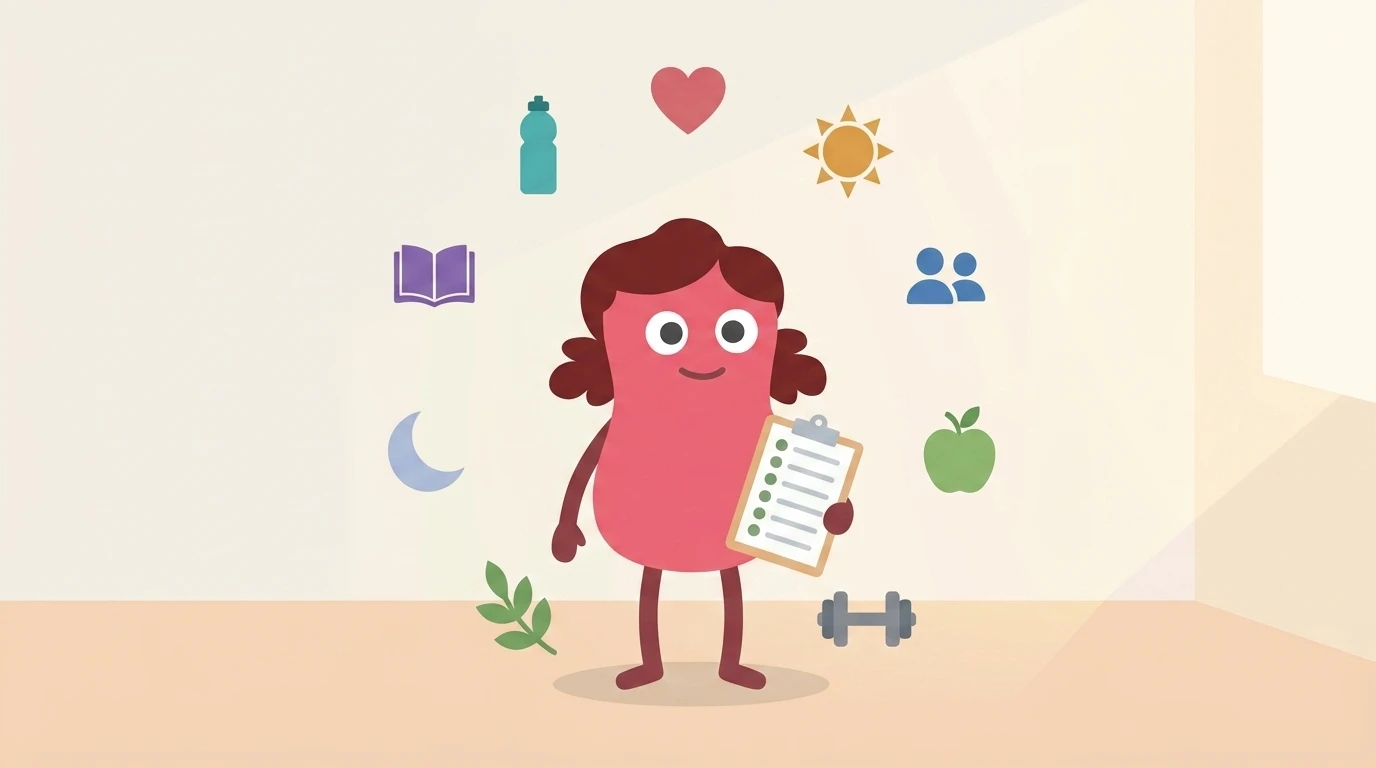
The NIH's Whole Person Health Index is the first tool that scores your whole health as a single number, across nine areas of life, so you can watch yourself get healthier over time. Here is how it works, how to score yourself, and how it differs from the other tools that share its name.
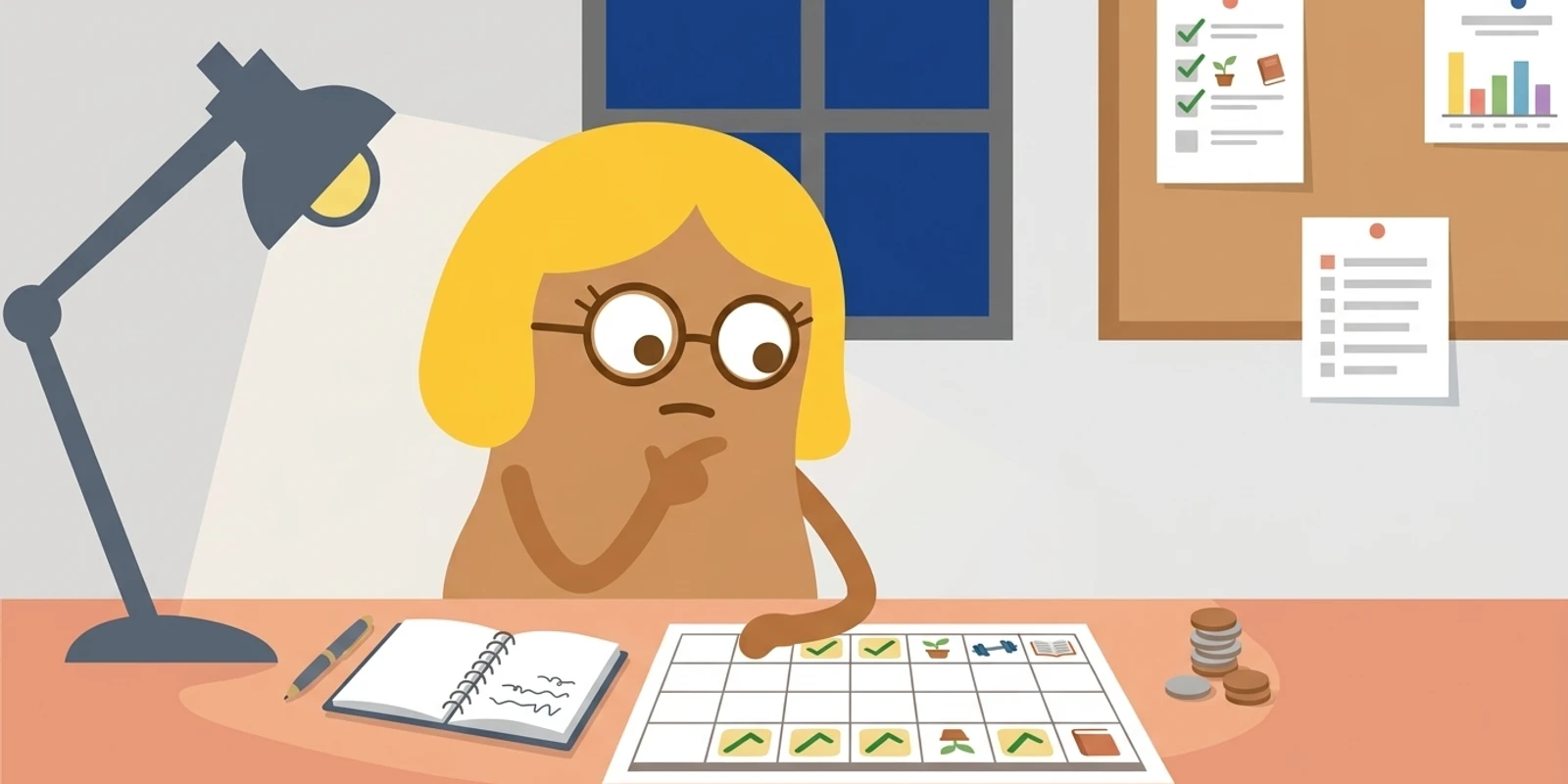
Most behavior change fails not because people lack discipline, but because they're running on the wrong kind of motivation. Self-Determination Theory offers a clearer map. Here's what the science says about why autonomy changes everything.