July 22, 20267 min read

Working from Home with ADHD: The Messy Truth Nobody Posts

The curated desk photos lie. Here’s what my 8 a.m. to 8 p.m. actually looks like when executive dysfunction meets the living room couch.

GetMotivated.ai Team

Last reviewed: August 2026

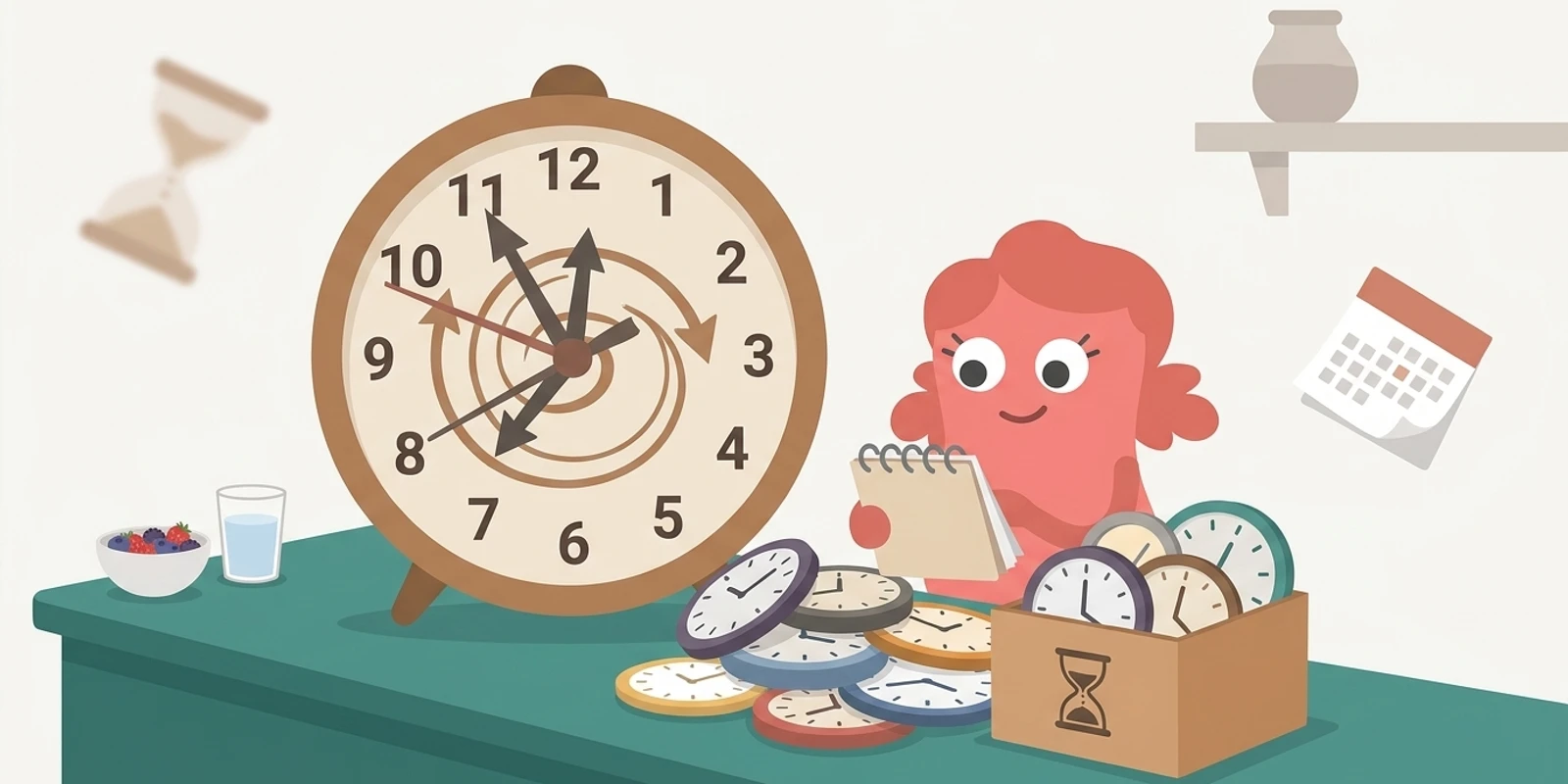
Illustration for the article: Working from Home with ADHD: The Messy Truth Nobody Posts

I open my laptop at 8:02 a.m. with a coffee that’s already cold because I reheated it twice while scrolling Reddit. The kitchen table doubles as my office, and yesterday’s mail forms a paper mountain around my keyboard. By 8:07 a.m. I have answered zero emails, started four mental to-do lists, and remembered I forgot to move laundry. Again.

This is what working from home with ADHD actually looks like. Not the color-coded Instagram reels. Not the Pomodoro-perfect screenshots. Just the raw loop of paralysis, novelty-seeking, and self-loathing that repeats until something finally ships at 11:47 p.m. while my neighbors sleep.

The 8 a.m. Illusion

Morning routine posts tell me to journal, meditate, and review priorities. My mornings start with cortisol and a search for lost chargers. Barkley (2012) calls this “time blindness,” the inability to feel the future as real. Without a bus to catch or a boss walking past my cubicle, the next eight hours collapse into one blurry blob. The fix is not prettier planners; it is giving time a body it can bump into. I park a cheap digital clock on top of the router so the minutes scream at me in red. When the shame voice whispers “you should be working,” I answer with the visible tick of seconds.

The Dopamine Commute

A commute used to be a built-in transition: walk, train, elevator, small talk, desk. At home the dopamine lever is always within reach. One tab over from Slack is a stream of sports highlights that fire the same pathways as a slot machine. Lembke (2021) explains that each swipe spikes dopamine, then drops us below baseline, demanding more. I treat my brain like a bored Labrador that needs a job. Ten push-ups, cold water on wrists, or a barefoot lap around the apartment can reboot the reward circuit without opening Twitter. The trick is keeping the reset shorter than three minutes; anything longer becomes another avoidance project.

Micro-Commutes That Work

  • Walk to the corner mailbox and back while the kettle boils
  • Do 15 body-weight squats before opening the first email
  • Set a 90-second timer to stare out the window and name five sounds

Calendar vs. Time Blindness

I used to block every hour in Notion. By 10 a.m. the calendar looked like abstract art: tasks bleeding into each other, none of them done. Ptacek (2019) notes that adults with ADHD underestimate duration by 30-40 %. Externalizing time means making it physical. I now run a five-minute sand timer during client calls; the visible grains create urgency better than any notification beep. On brutal days I open a Zoom room titled “Body Double, Quiet Work” and leave my camera on while strangers silently co-work. The silent peer pressure is weirdly effective.

Related Challenges & Plans

Tactics That Survive Chaos

  • Sticky-note sprints: one task per note, peel it off only when finished
  • Kitchen timer triage: 25 minutes work, 5 minutes wall-stare, repeat twice then reassess
  • Shared calendar with a friend: shame is lighter when someone else can see the blank slots

The Shame Spiral After 6 p.m.

By late afternoon the dopamine tank is empty but the inner critic revs up. Every unfinished task becomes proof of moral failure. CHADD research shows shame spikes cortisol, which further impairs executive function, classic catch-22. Neff’s self-compassion model flips the script: treat yourself like you would a friend who bombed a presentation. I keep a voice memo labeled “Future Me Pep Talk” recorded on a decent brain day. Hearing my own kind voice cuts the spiral faster than any productivity hack.

Emergency Shame Protocol

  1. Say the feeling out loud: “I feel behind and stupid.”
  2. Text a friend the single sentence: “Say something kind about me.”
  3. Schedule a 10-minute win for tomorrow morning (reply to one email, fold one shirt).

Systems That Survive a Bad Day

Perfection dies first in ADHD households. My most reliable system is a single legal pad divided into three columns: Must, Might, Maybe. Only three items under Must. When the page fills, I flip to a new one instead of editing. Kreider et al. (2019) found students who reframed planning as “flexible scaffolding” instead of rigid rules stuck with their tools longer. The pad lives on the fridge because I will open the fridge.

Toolkit for the Next Meltdown

  • Phone jail: a $5 clear plastic box on the router; visibility reduces FOMO
  • Exercise snack: jump rope behind the couch, 60 jumps resets attention
  • End-of-day shutdown ritual: close all tabs, write tomorrow’s Must column, set coffee mug in the machine

---

FAQ

Q: Why can’t I just use a normal planner like everyone else? A: ADHD brains struggle with "time blindness," making abstract future slots invisible. Visual, tactile, or social cues (like body doubling) externalize time so it becomes real.

Q: Is it normal to feel exhausted after eight hours of doing ‘nothing’? A: Yes. Mental effort spent fighting executive dysfunction burns glucose and dopamine, leaving you drained even when visible output is low.

Q: How do I stop the late-night shame spiral? A: Label the feeling, speak to yourself as you would a friend, and schedule a tiny win for the next morning. Self-compassion interrupts the cortisol loop.

Q: Do meds fix the WFH chaos? A: Medication helps about 70-80 % of adults but works best paired with external structures. Think of meds as giving your brain gas; you still need a steering wheel.

Q: Are coworking spaces worth it for ADHD? A: They can provide built-in body doubling and environmental novelty. Test a day pass first, noise and social unpredictability can backfire.

Explore GetMotivated.AI to find behavior tools that match your situation.

Next time you search, our newest guide shows up.

Sources

Topics

AI-ready summary

Remote work with ADHD is less about tidy routines and more about surviving the hour-to-hour swings of executive dysfunction. The post exposes real daily patterns, morning paralysis, midday dopamine chases, late-day shame, and offers tested micro-systems that survive bad brain days.

Key takeaways

  • Time blindness is the invisible boss; externalize time with visible timers and body doubling
  • Dopamine-seeking loops are predictable; hijack them with 10-minute movement snacks
  • Shame compounds lost hours; self-compassion is a productivity tool, not a luxury

FAQs

Why can’t I just use a normal planner like everyone else?

ADHD brains struggle with 'time blindness,' making abstract future slots invisible. Visual, tactile, or social cues (like body doubling) externalize time so it becomes real.

Is it normal to feel exhausted after eight hours of doing ‘nothing’?

Yes. Mental effort spent fighting executive dysfunction burns glucose and dopamine, leaving you drained even when visible output is low.

How do I stop the late-night shame spiral?

Label the feeling, speak to yourself as you would a friend, and schedule a tiny win for the next morning. Self-compassion interrupts the cortisol loop.

Do meds fix the WFH chaos?

Medication helps about 70-80 % of adults but works best paired with external structures. Think of meds as giving your brain gas; you still need a steering wheel.

Are coworking spaces worth it for ADHD?

They can provide built-in body doubling and environmental novelty. Test a day pass first, noise and social unpredictability can backfire.

Related Challenges & Plans

Keep reading