How to Get Motivated to Do Homework When You Just Don't Want To
Homework is boring, assigned, and has no consequence for skipping it tonight. Learn why that specific setup kills motivation, and a plan proven to fix it.
Rachel SteinRead →

43 posts in this category
Next time you search, our newest guide shows up.
Homework is boring, assigned, and has no consequence for skipping it tonight. Learn why that specific setup kills motivation, and a plan proven to fix it.

Motivation fades because it's a mood spike, not a resource or a trait. Here's the research on why, and the structure that works after the feeling is gone.

The forums say break it into steps and reward yourself after. Here is why that advice doesn't survive Monday morning, and what actually gets you moving before motivation shows up.
Most motivation hacks spike and fade fast. Learn the mechanism, based on real research, that turns intention into action and builds lasting motivation.
A quote isn't a mechanism. Research on implementation intentions, procrastination, and self-determination theory shows what actually makes motivation happen.
Motivation tips don't fail because you're lazy. Research shows the gap is between knowing and doing. Here's the plan that closes it, tested on hundreds.
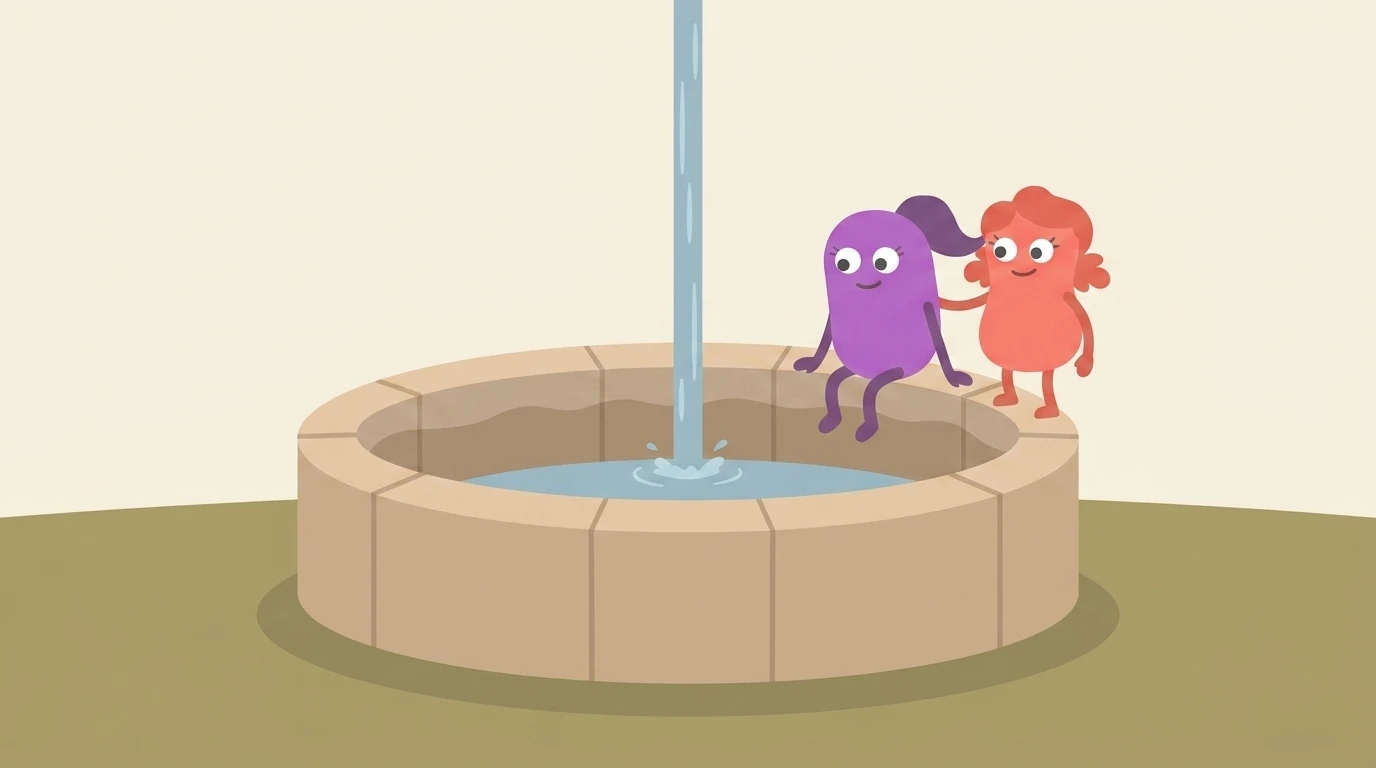
Self-control is not a personality trait or a system you build once. Research shows it behaves like a resource that depletes, refills, and shifts with the time of day.
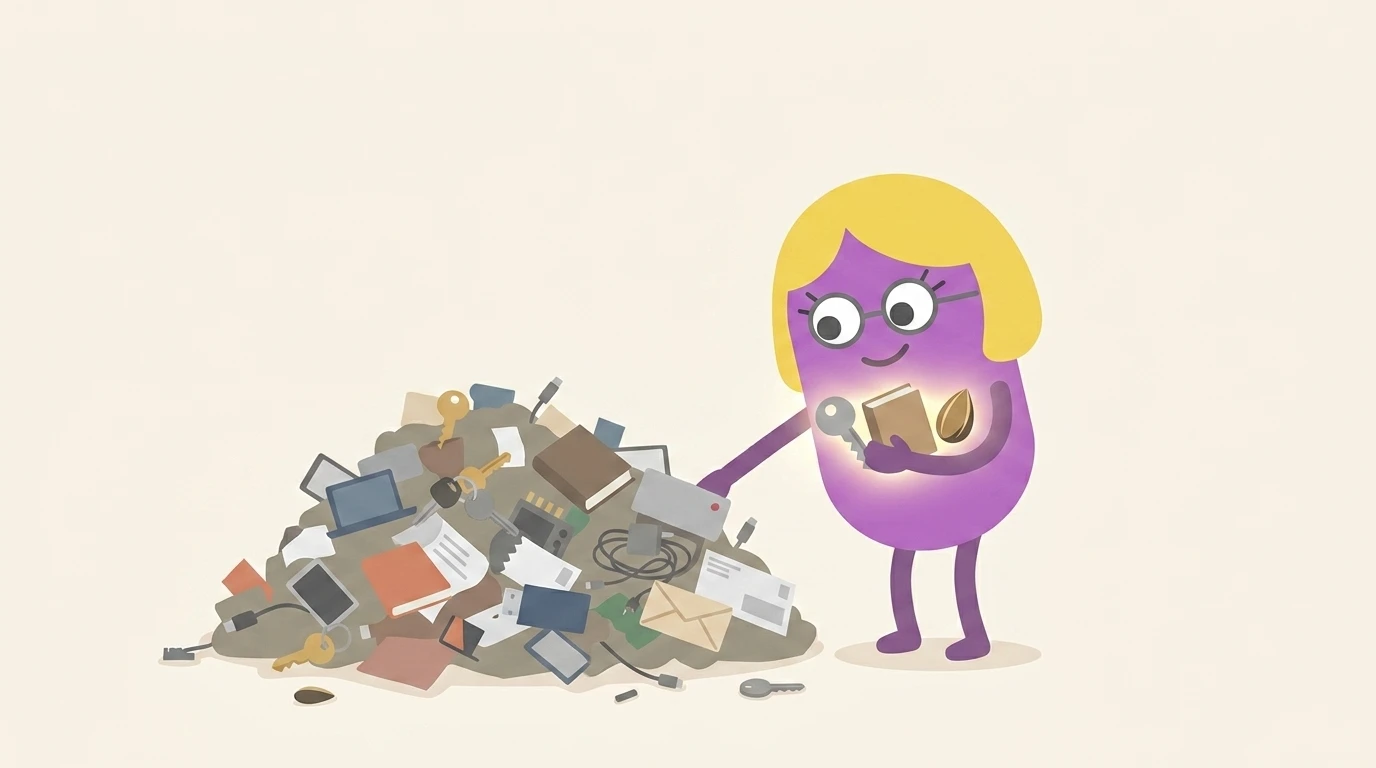
When the exam is close and the hours are gone, most of what you would normally do does not fit anymore. Here is what the research says actually survives compression.
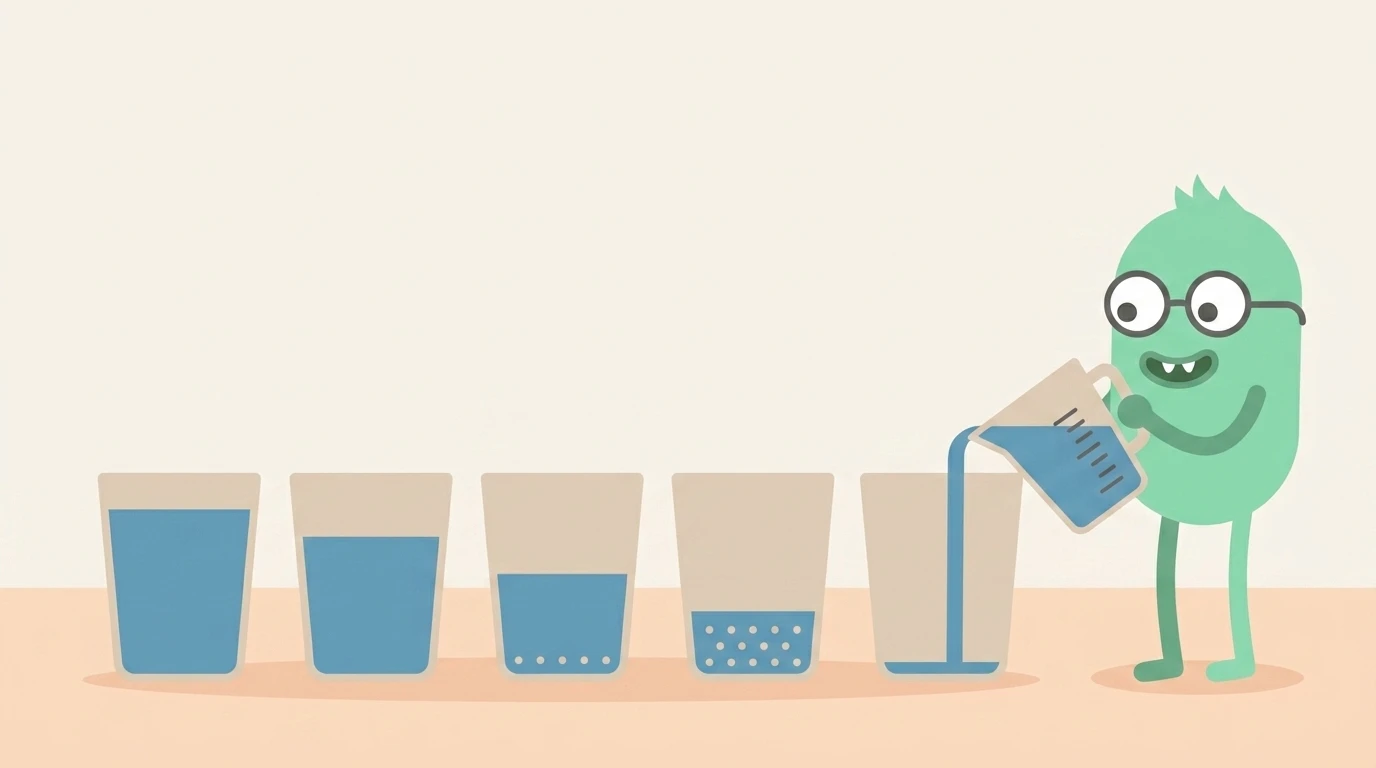
Hour six of a study session is not hour one. Mental fatigue changes what your brain can do, and the research shows exactly what breaks down first and how to protect it.

A classroom hands you structure automatically. At home you have to build it yourself, and the two techniques that make the biggest measurable difference are not the ones most students reach for first.

Starting a study session is one problem. Staying in it is a different one, with its own mechanism and its own fix, and most advice only covers the first half.
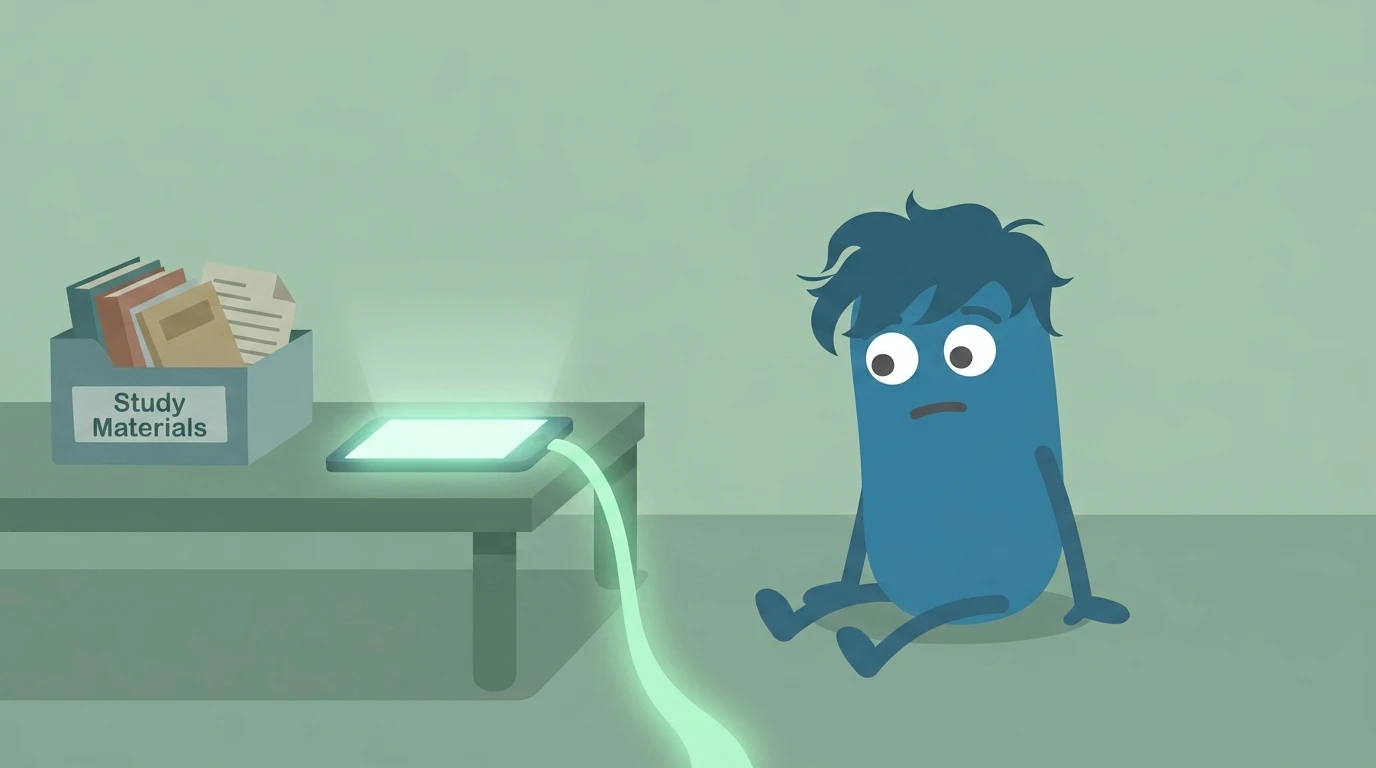
Phone use does not just steal time. It runs through a specific chain, from lower self-control to higher anxiety to procrastination, and each link in that chain is where you can intervene.
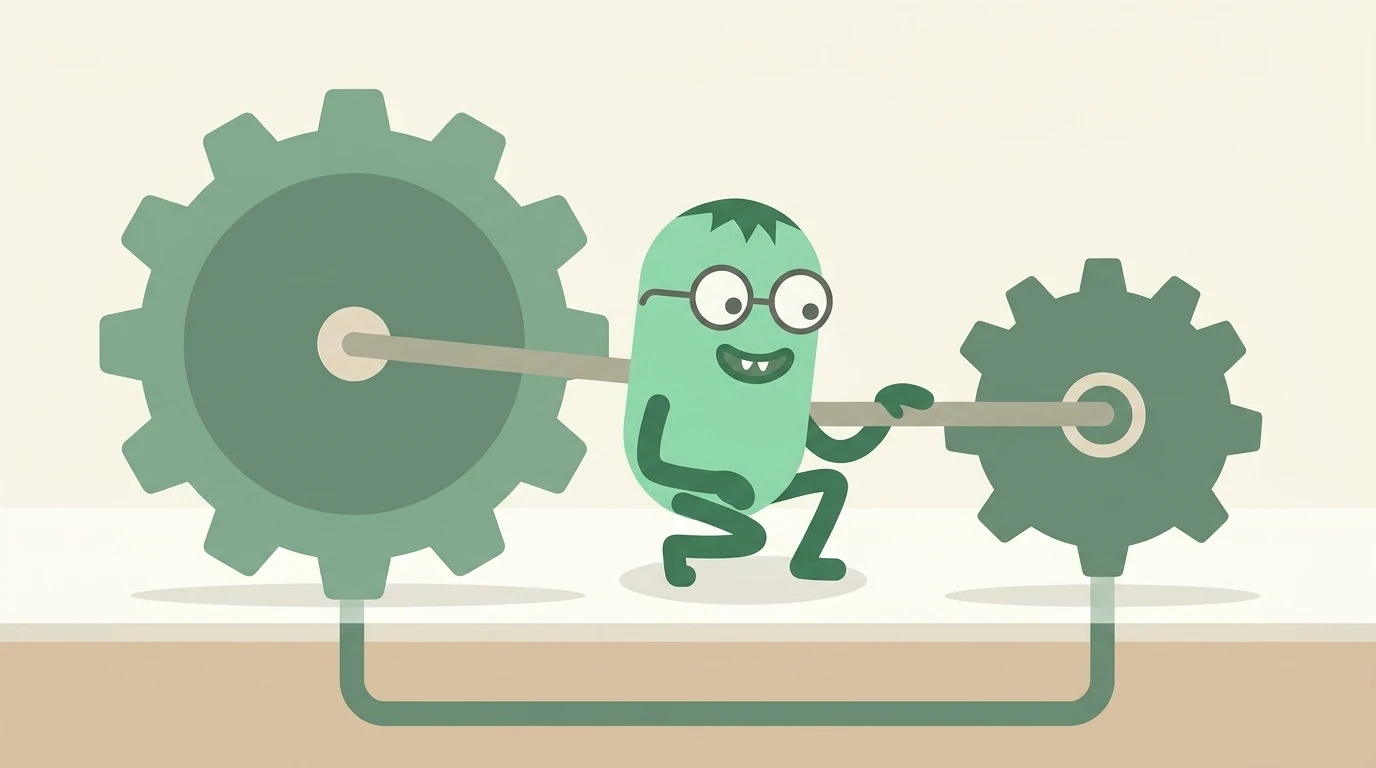
Motivation fades and willpower-style discipline runs out. What predicts follow-through is a system: specific if-then plans, routines that remove decisions, and protecting a limited resource instead of demanding more of it.

A looming deadline changes the math on how to study. Here is what to do when you do not have the weeks that ideal spacing assumes.
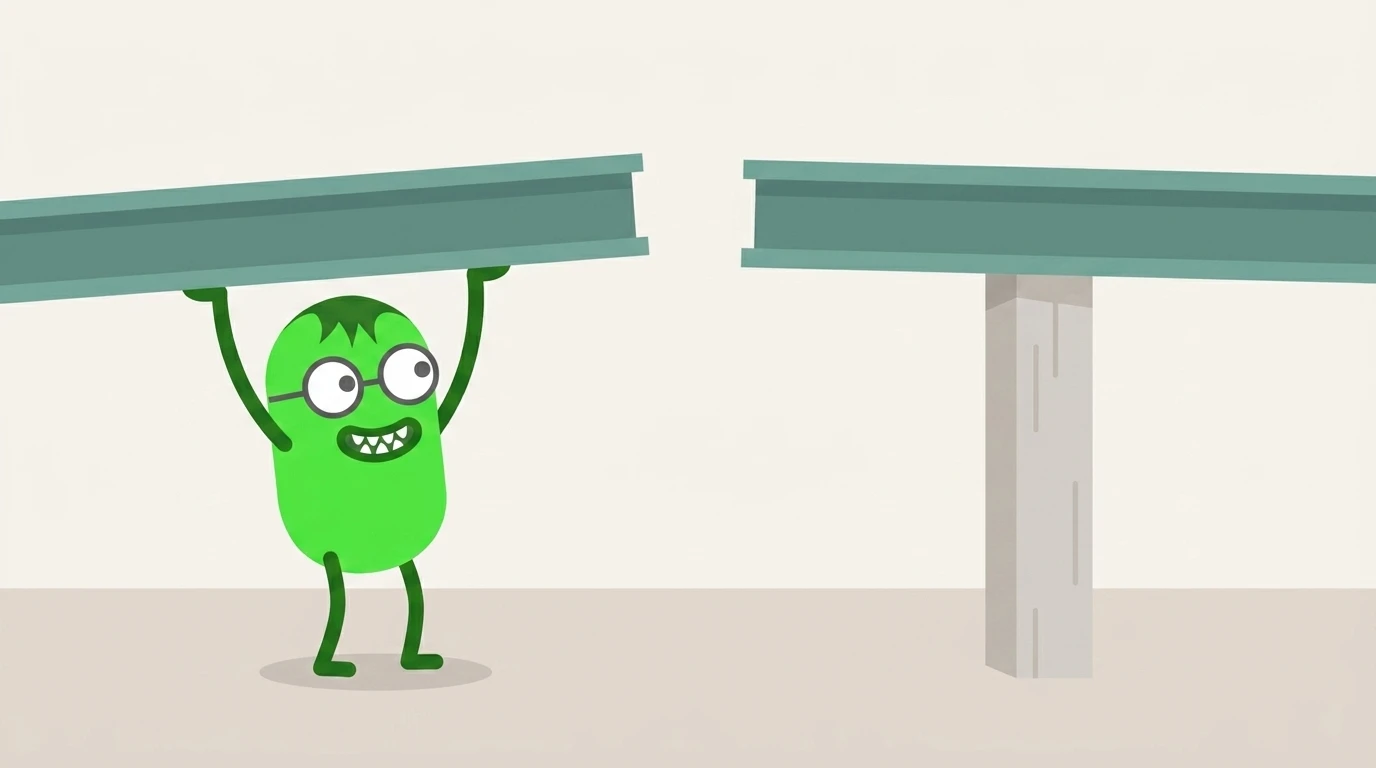
Discipline is not a personality trait you either have or lack. It is a depletable, trainable resource, and the research shows what actually depletes and rebuilds it.
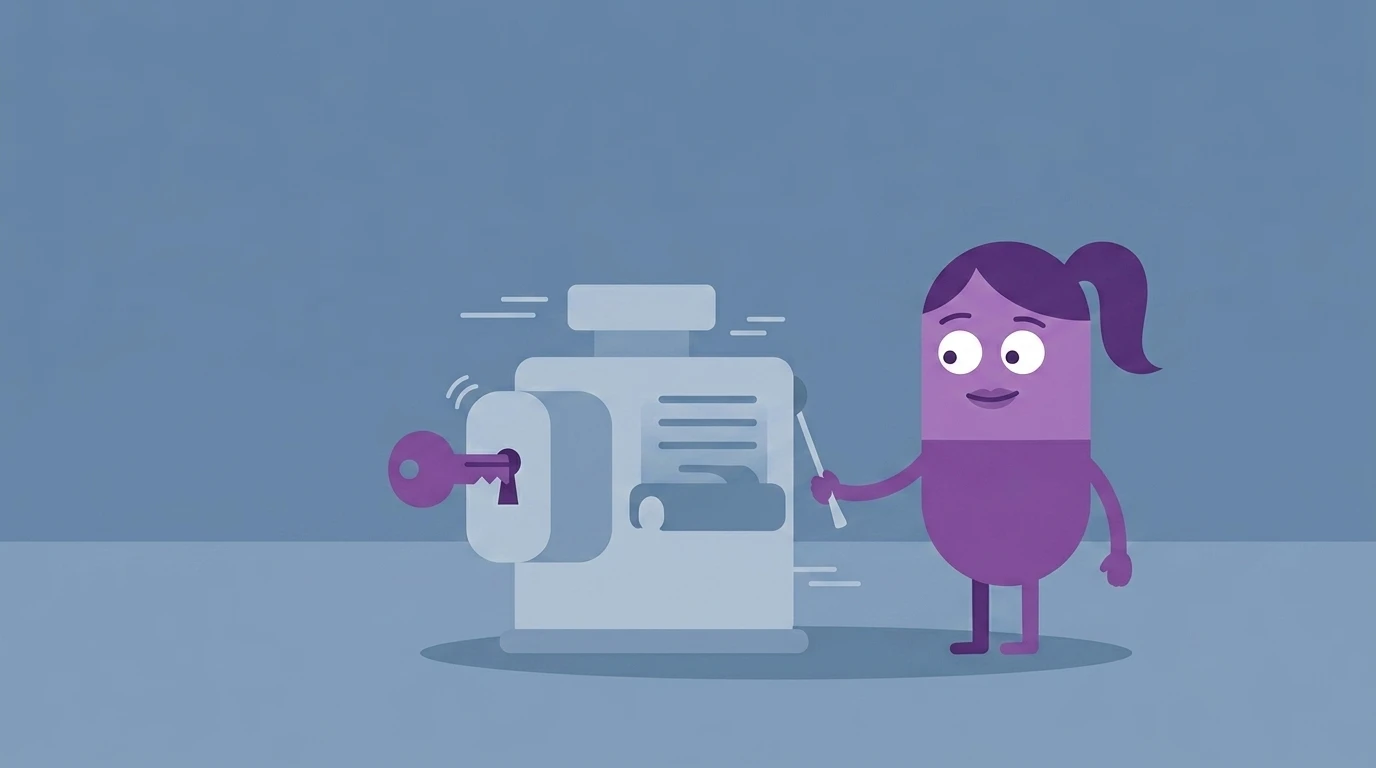
Standard study advice assumes you can sit down and start on command. If your brain does not work that way, the advice was never going to work.

Most study advice is guesswork. Two methods have decades of controlled evidence behind them, and neither is re-reading your notes.
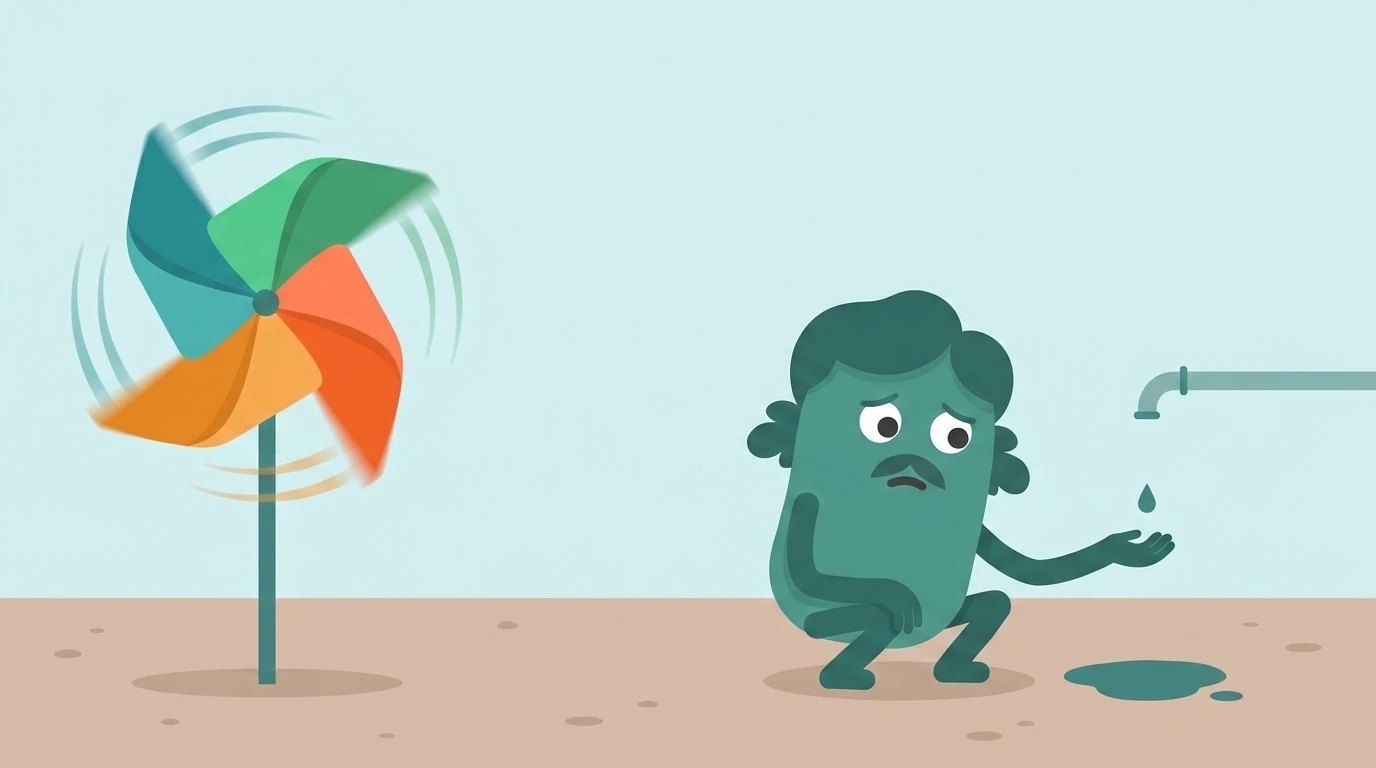
The advice to eliminate every distraction is wrong. Research on 2,467 students shows where the real damage happens, and it isn't your desk.
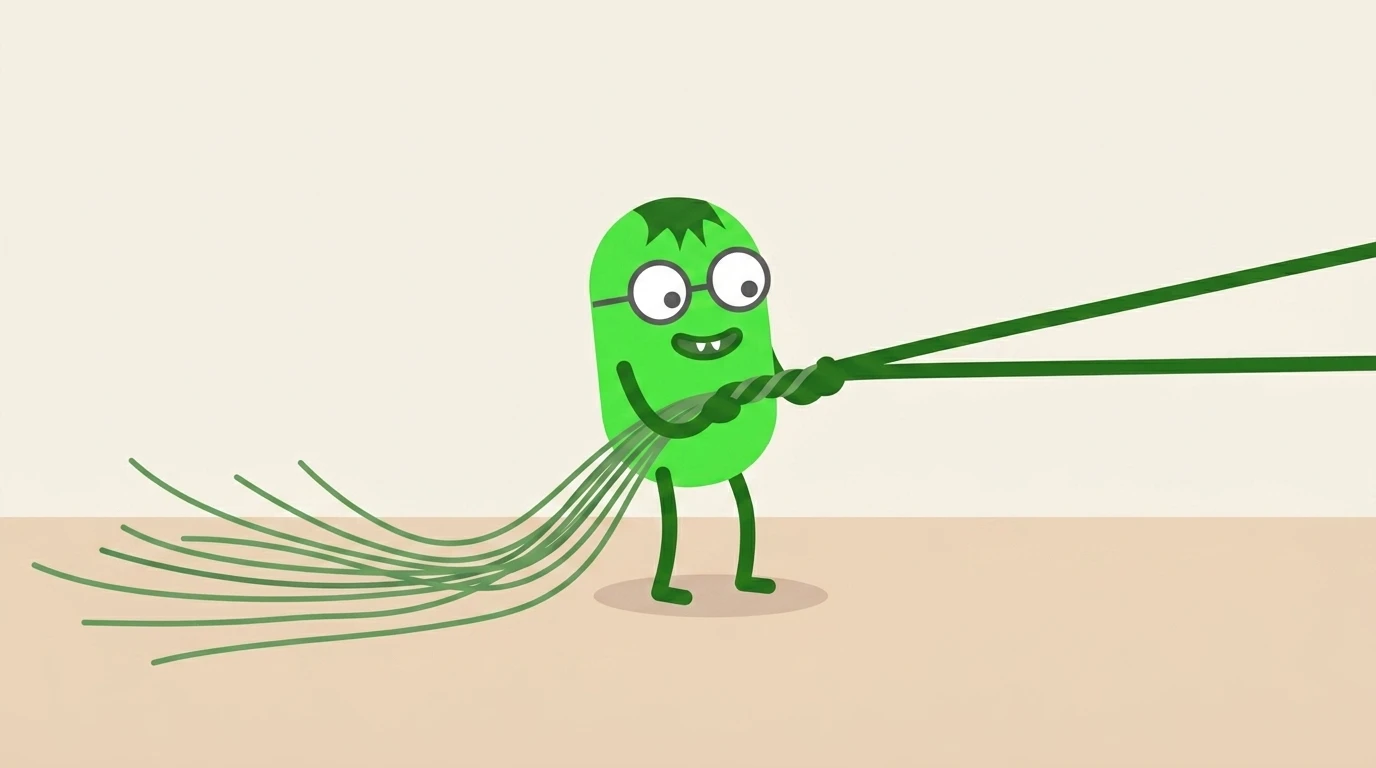
Concentration is trainable. Attention training cut mind-wandering in 5 studies of 304 people. Here's what works for studying.
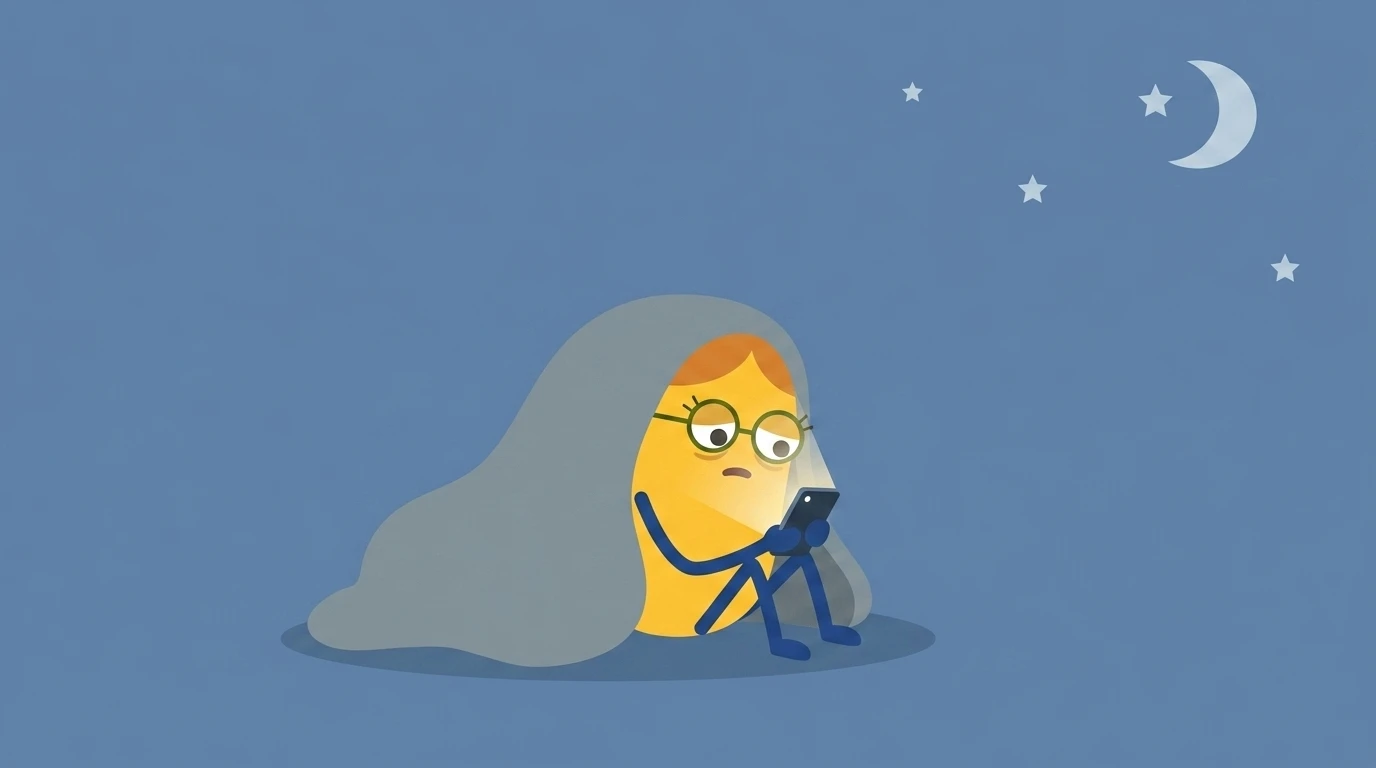
Deleting apps rarely works because low mood usually comes first. Research on 584 students shows what actually drives phone addiction, and what helps.

You're waiting to feel motivated before you study. That's the problem. Here's what the research says actually starts you moving, and why.

Mind wandering during study isn't a discipline failure. See the 25-study evidence on the real link to comprehension, and what trains it down.

You're not avoiding the work. You're avoiding the feeling that you can't do it. Research-backed method: start with the easiest question, not the exam.
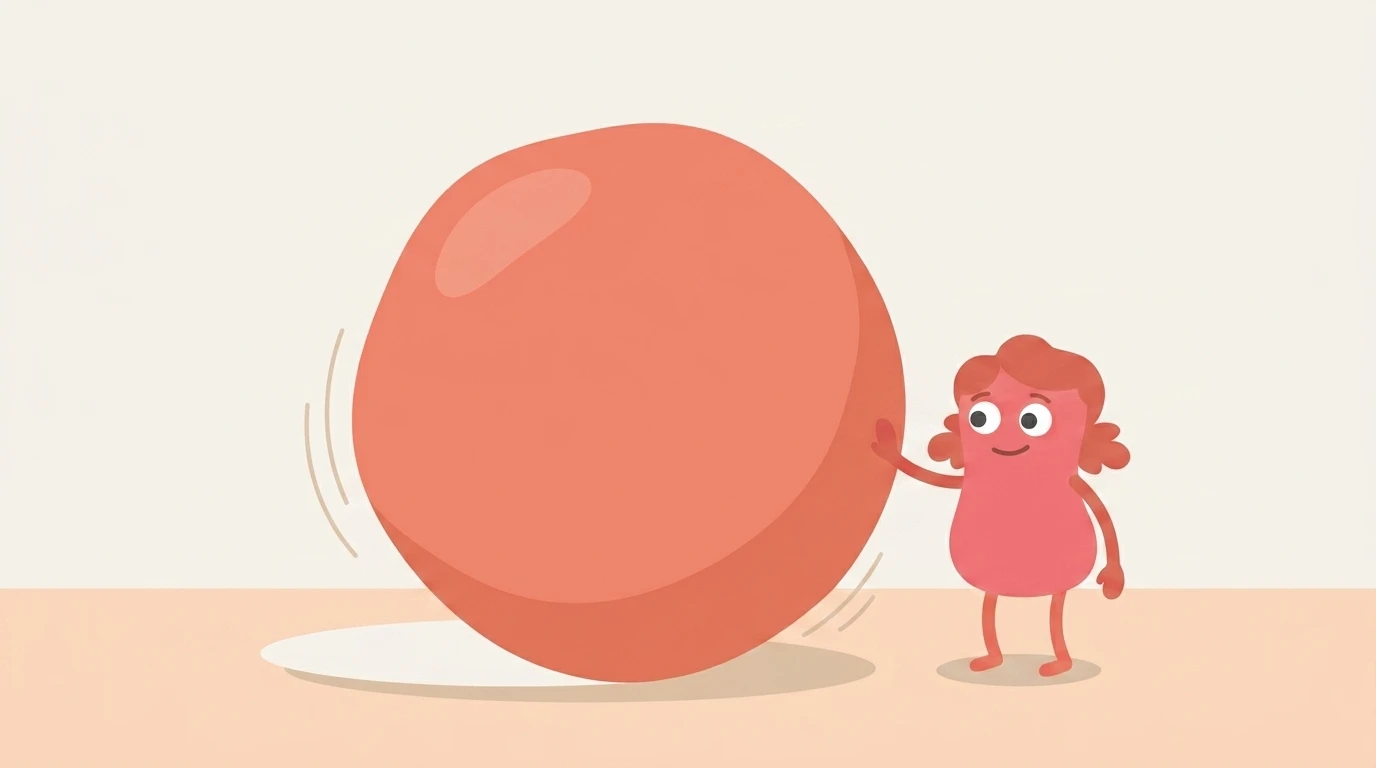
Procrastination isn't laziness. It's your brain avoiding a bad feeling. Here's the research, and a 10-minute method tested on 1,035 people.
A whole-health approach treats chronic pain as more than a symptom — pairing medical care with movement, mindfulness, and coaching. The wHOPE trial is testing exactly this in 750 veterans, and the strategies apply well beyond the VA.

Traditional care asks what's wrong and treats it. Whole person health asks what matters to you and builds around it. They aren't rivals — but the differences in question, team, and goal change how care actually feels and works.
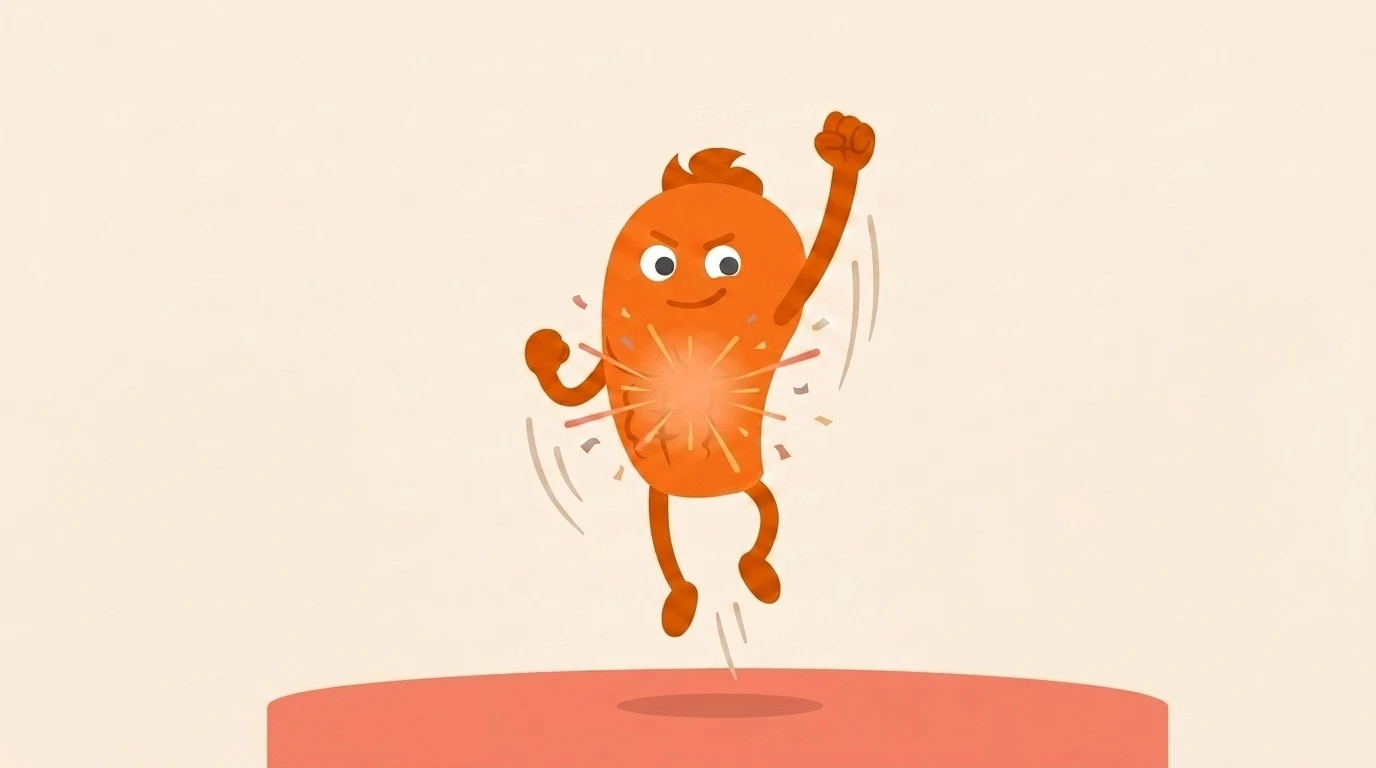
BJ Fogg's celebration technique says the fastest way to wire in a habit is to feel a genuine flash of positive emotion the instant you finish it. Emotions create habits — not repetition, not willpower.
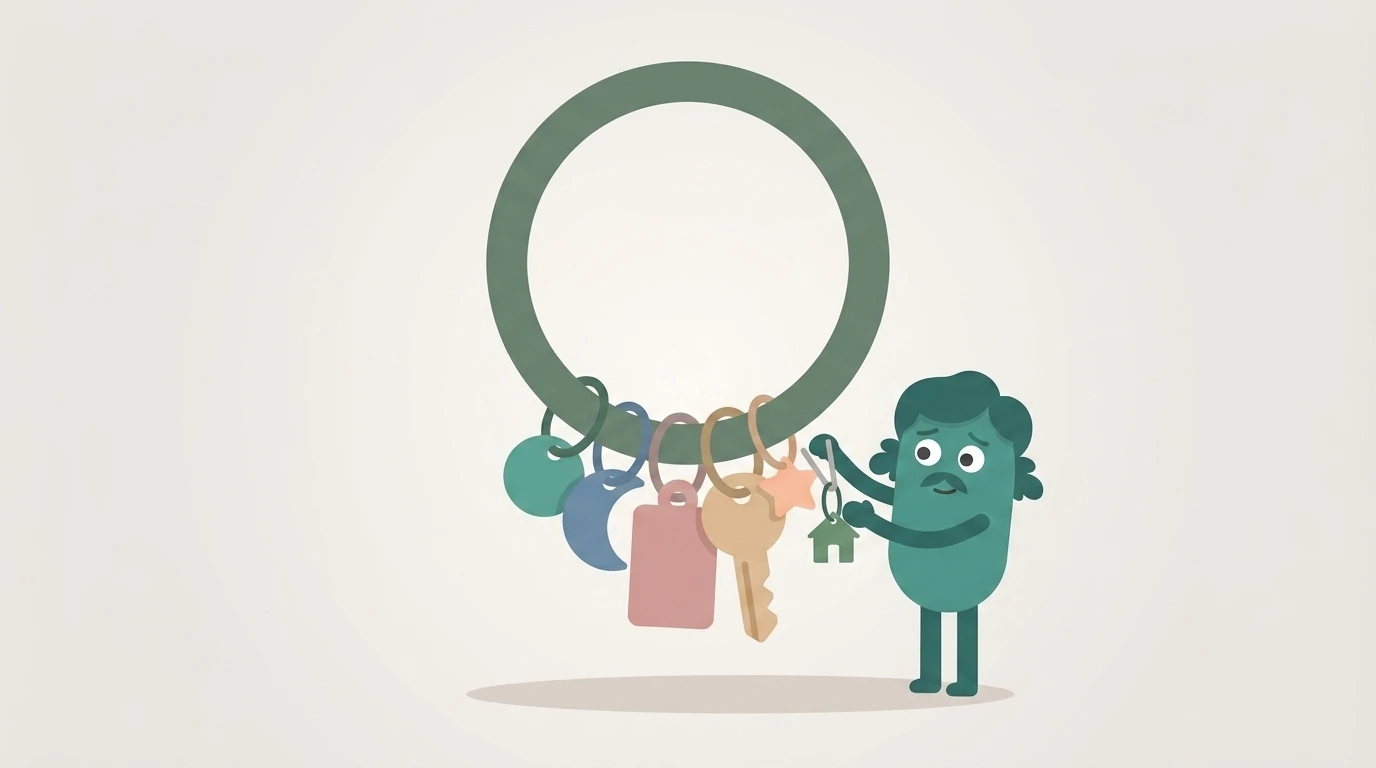
Twenty ready-to-use Tiny Habits recipes across mornings, work, health, and focus — each written as 'After I [anchor], I will [tiny behavior]' so you can copy one and start today.
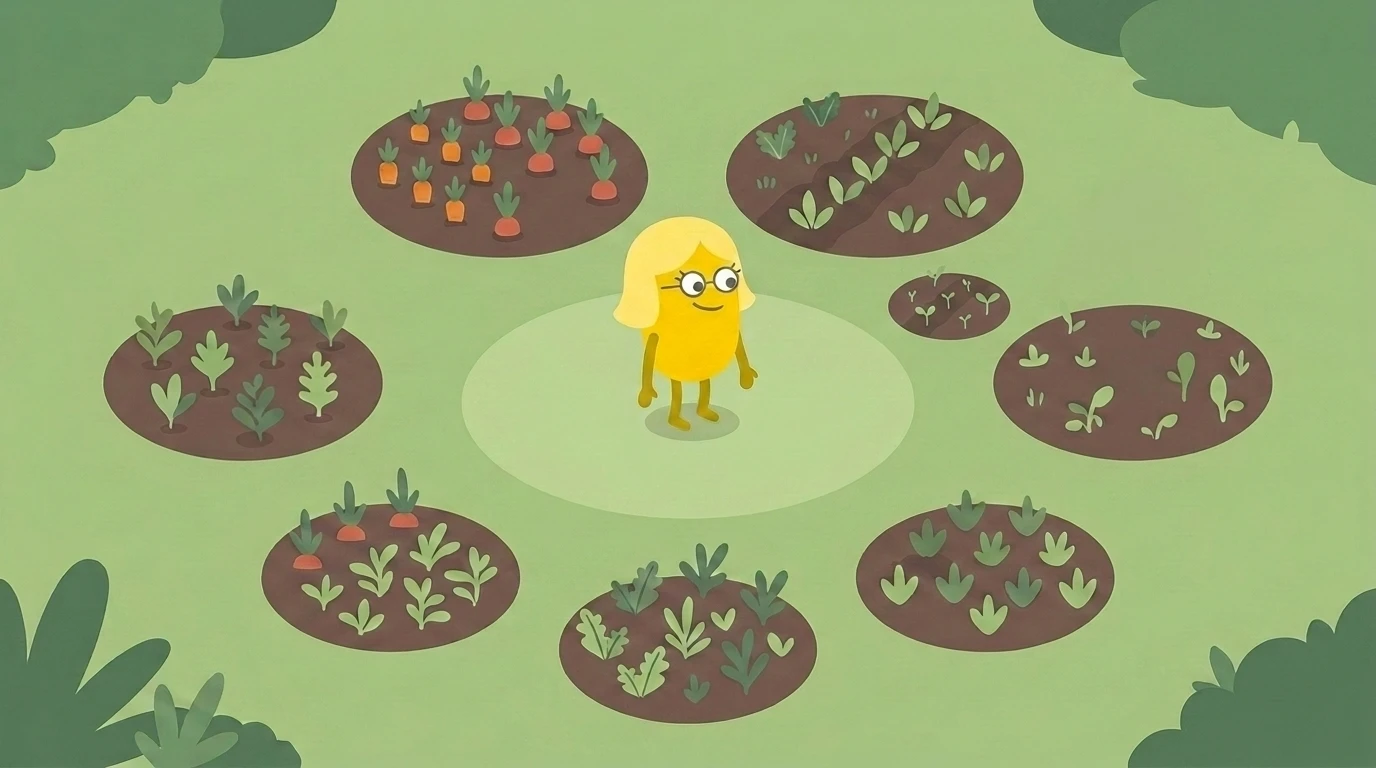
Whole person health breaks into eight self-care areas: movement, food, rest, growth, relationships, meaning, surroundings, and the mind, arranged around your own values. This is the map behind the VA Whole Health model, explained area by area.
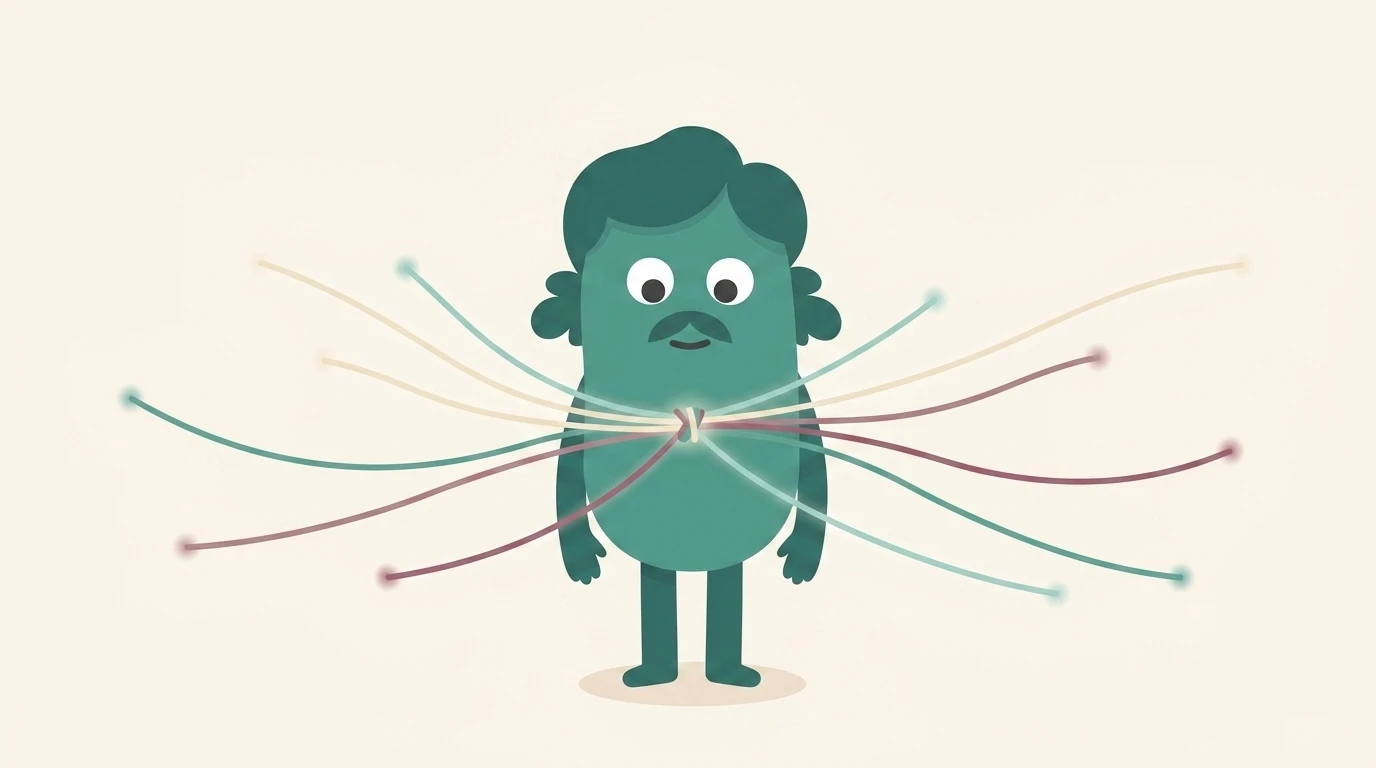
Whole person health looks at your body, mind, relationships, environment, and sense of meaning as one connected system, not a list of separate symptoms. This guide covers the model, the evidence behind it, and how it applies to chronic pain and everyday wellbeing.
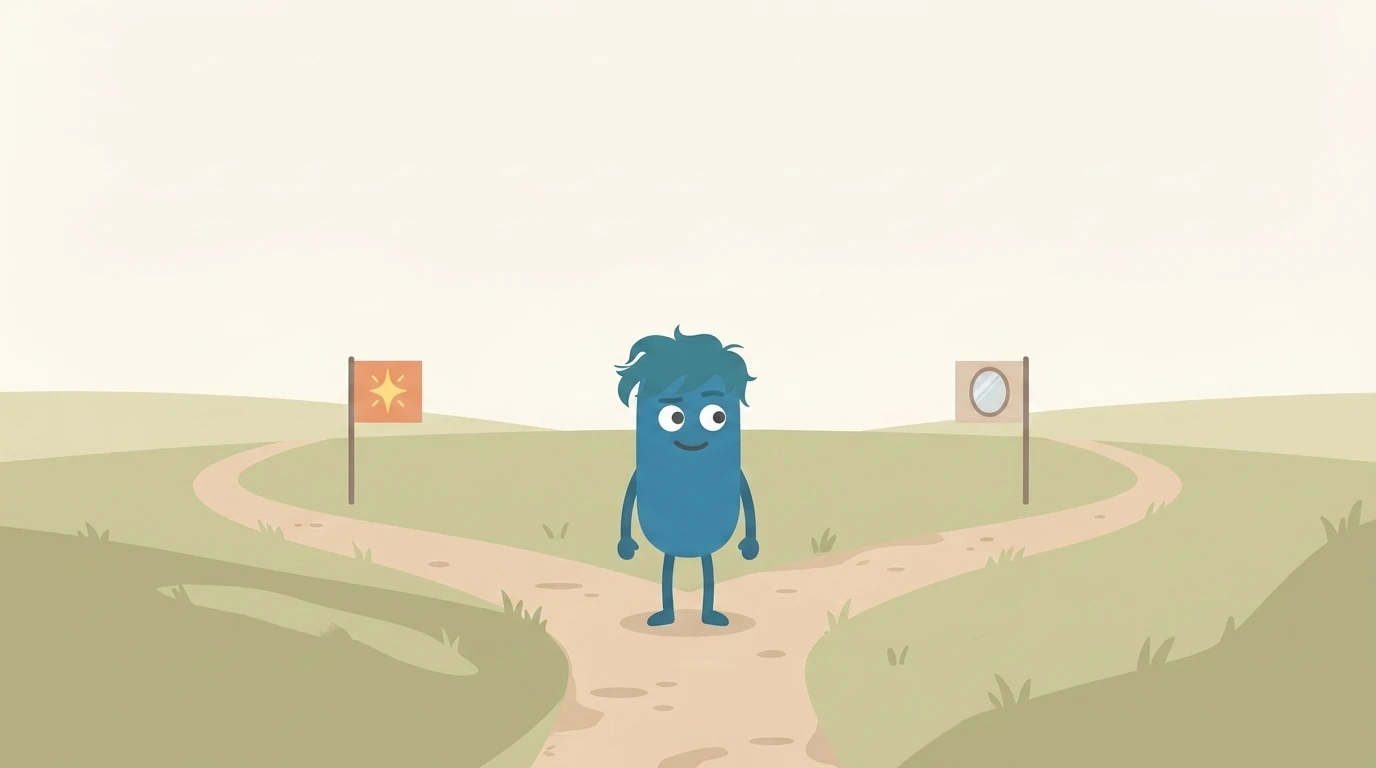
Tiny Habits and Atomic Habits agree that small actions beat big goals. They differ on the engine: Fogg builds habits with immediate emotion (celebration), while Clear builds them with cues, cravings, and identity.
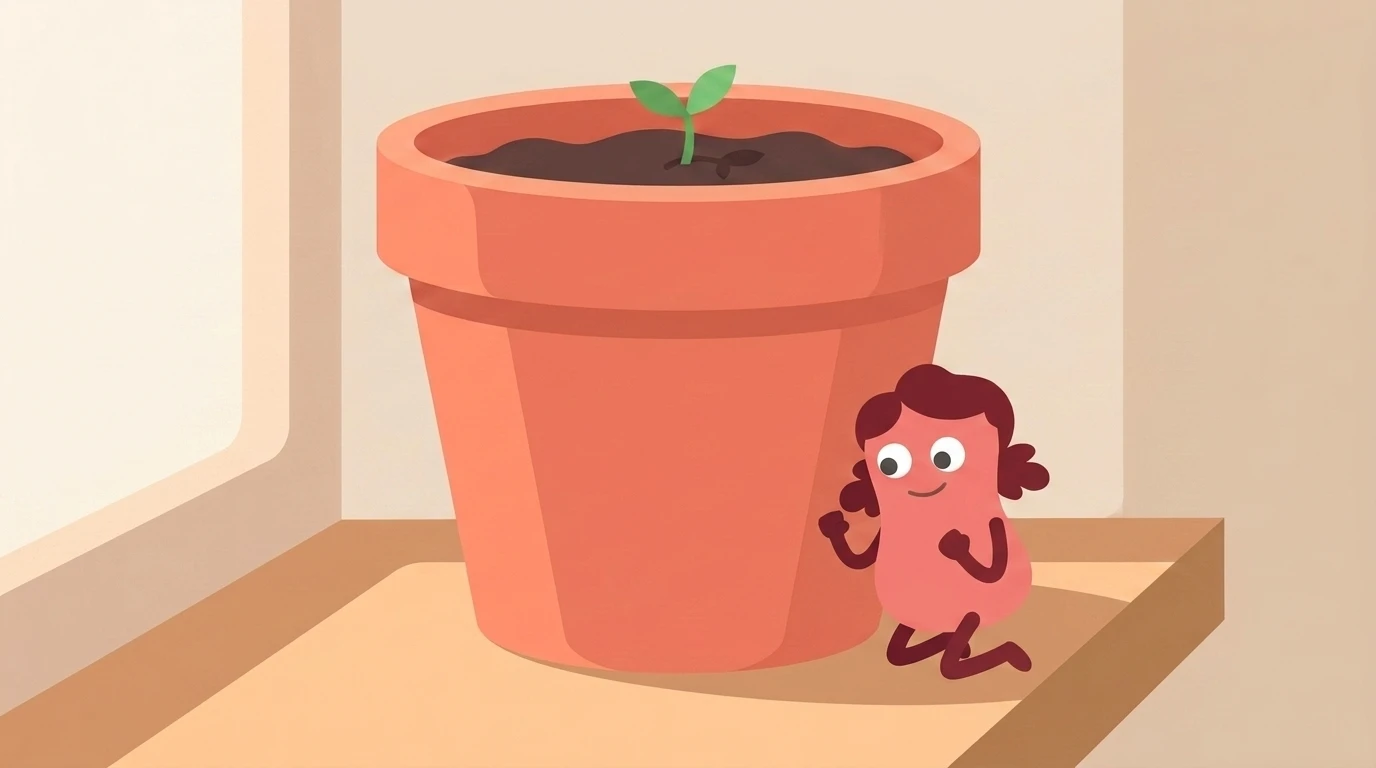
The Tiny Habits method builds lasting habits with three steps: anchor a tiny behavior to a routine you already do, make it small enough to be easy, and celebrate the moment you finish.
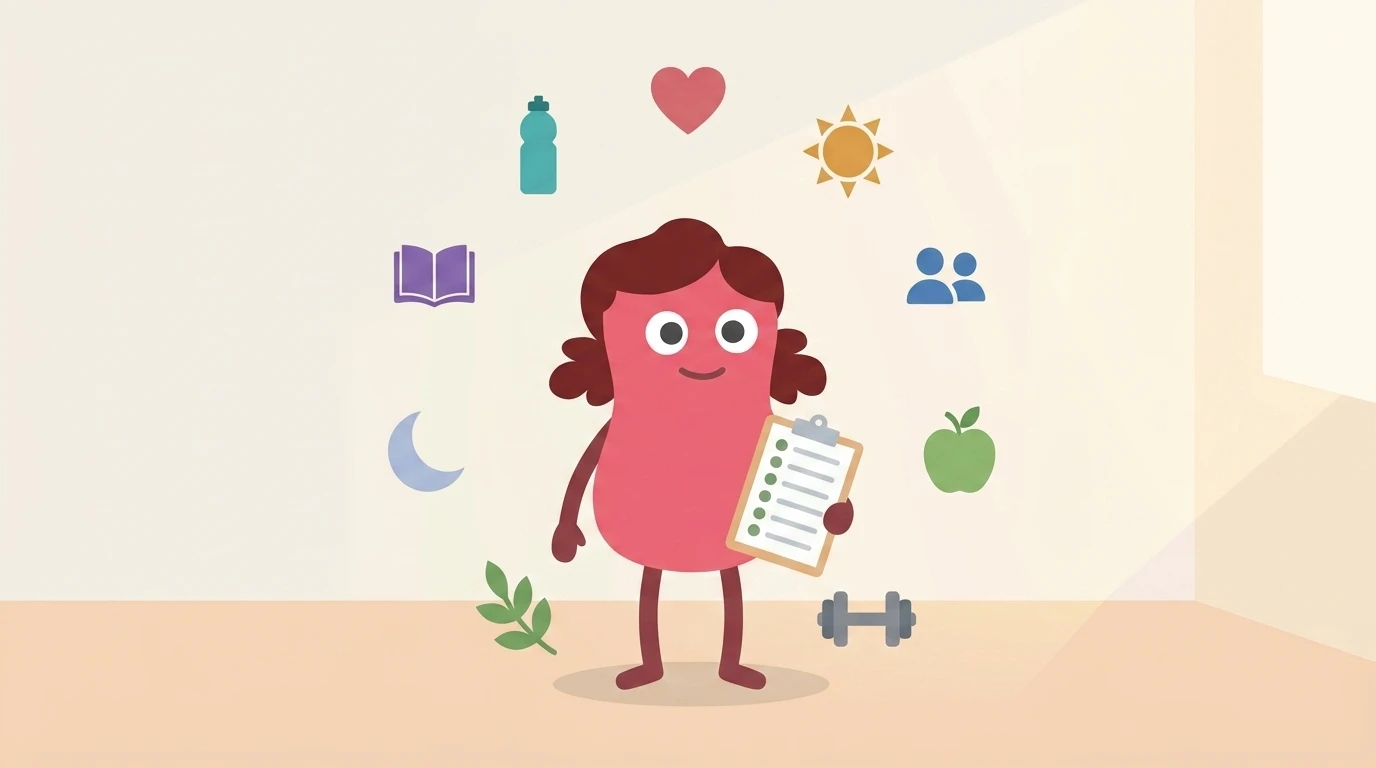
The NIH's Whole Person Health Index is the first tool that scores your whole health as a single number, across nine areas of life, so you can watch yourself get healthier over time. Here is how it works, how to score yourself, and how it differs from the other tools that share its name.

Behavioral science shows most people fail to change because they rely on willpower and motivation rather than environment design, habit loops, and social accountability — the three factors research consistently identifies as decisive.
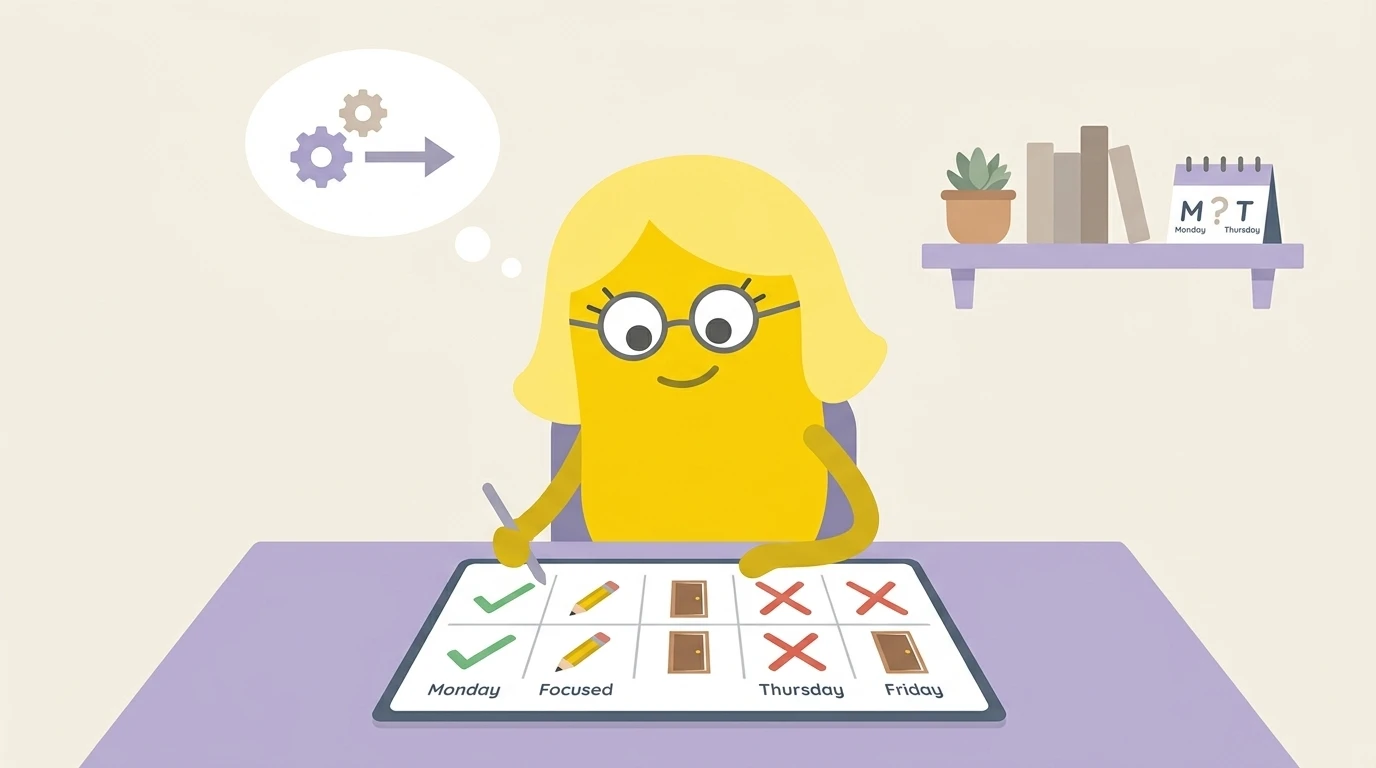
A morning routine works when it matches your biology, not a productivity guru's schedule. Research shows consistency and sleep alignment matter far more than waking up at 5 AM. Here's what the science actually says about building a routine that sticks.
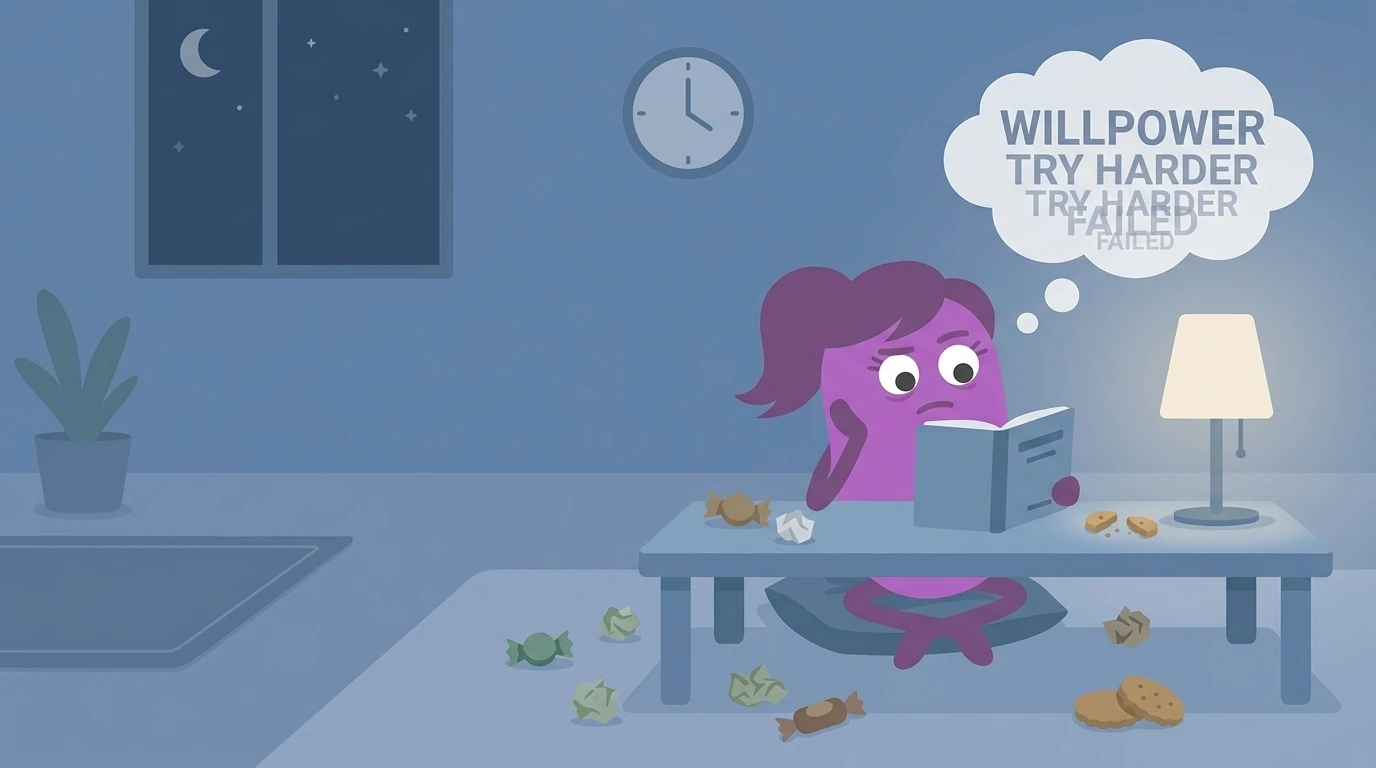
Breaking bad habits fails when you rely on willpower because the brain doesn't unlearn habits — it overwrites them. Here's what neuroscience actually says about why habits persist, and the specific strategies that create lasting behavioral change.
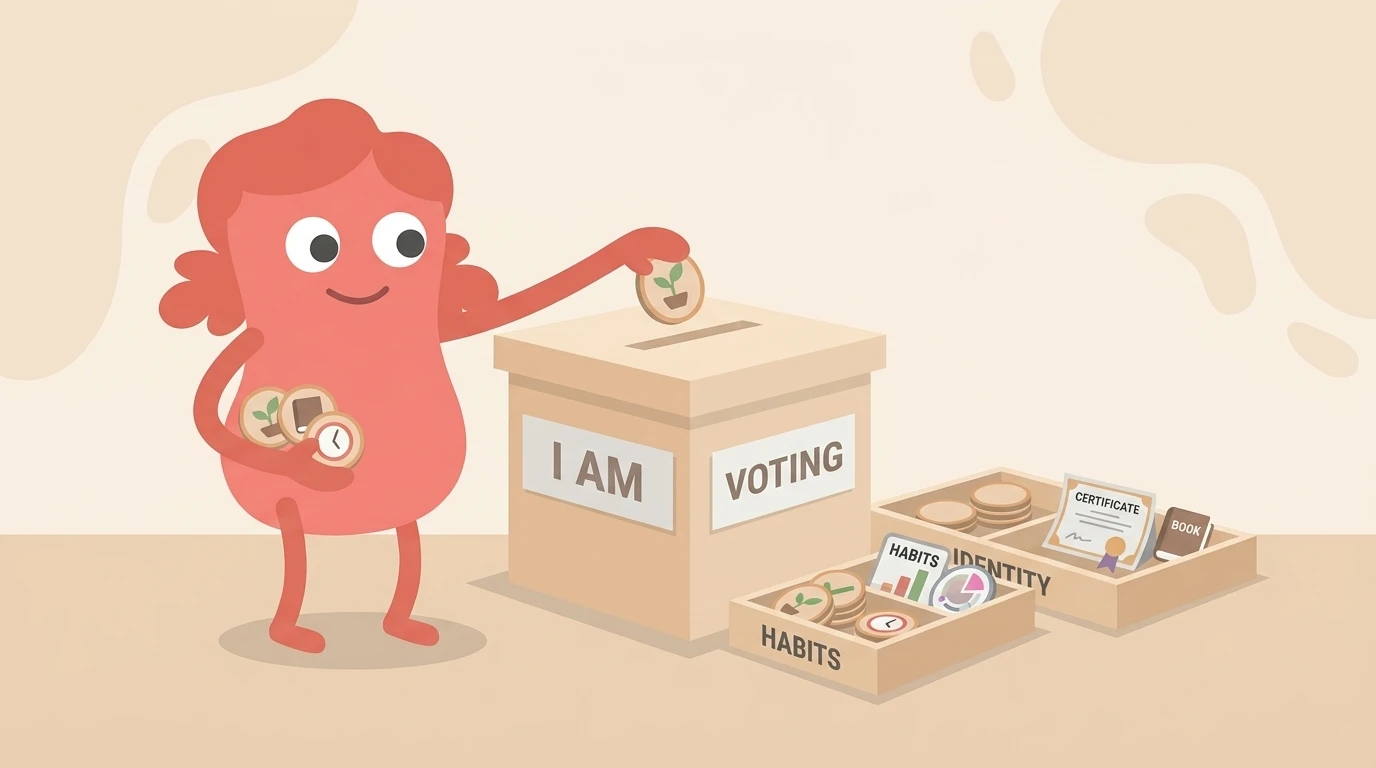
Identity-based habits work by changing who you believe you are, not just what you do. Research shows that people who tie behavior to identity — 'I am a runner' vs 'I want to run' — sustain change far longer. Here's the science and how to apply it.
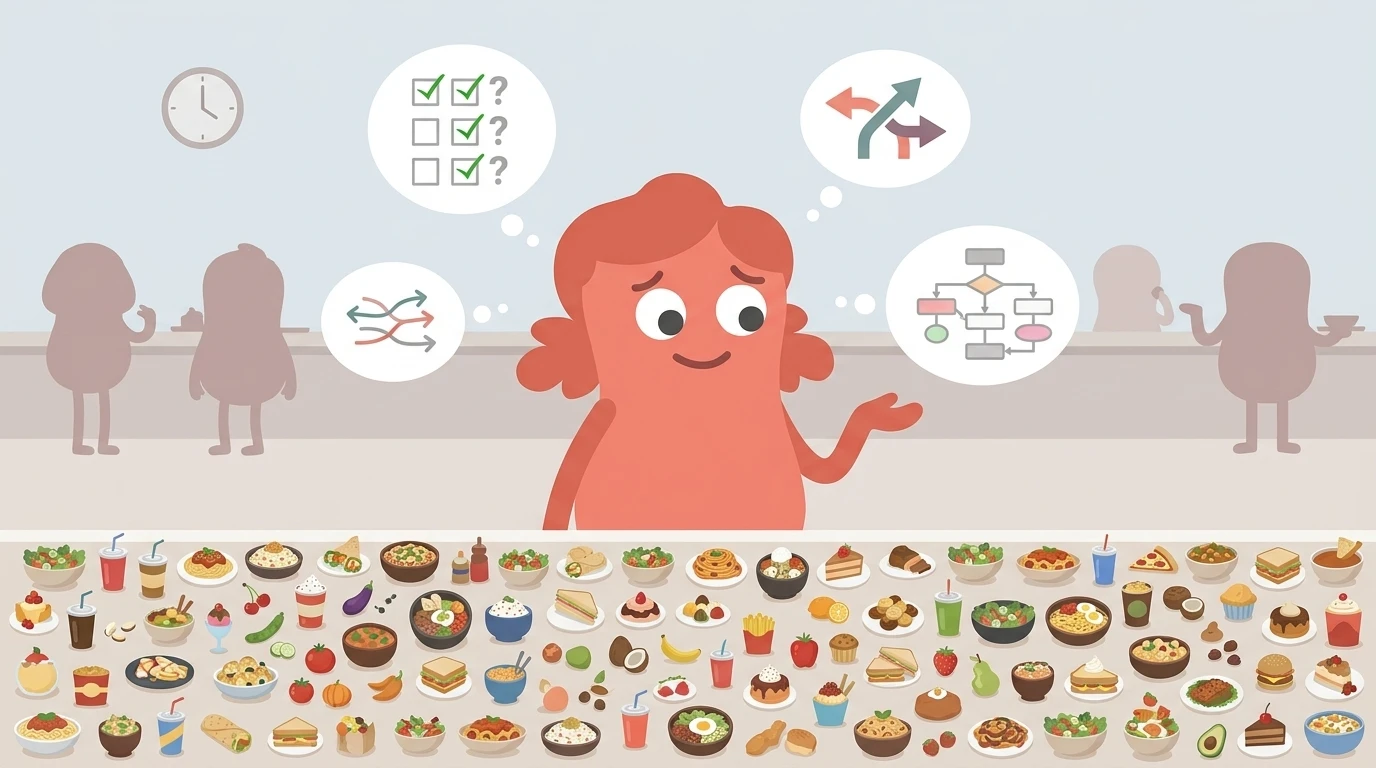
Decision fatigue is the mental exhaustion that builds each time you make a choice, eroding willpower and derailing habits by day's end. Here's what the research says and how to stop it.
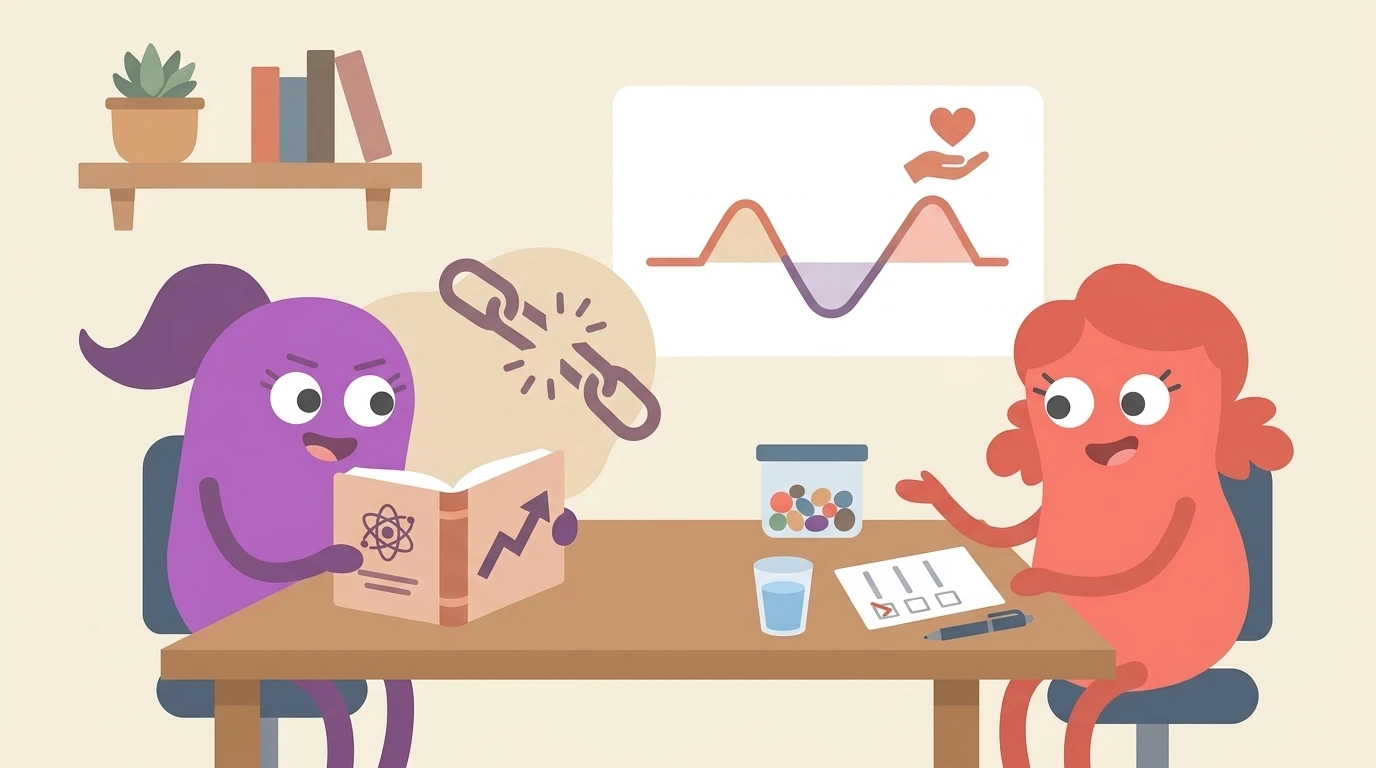
Atomic Habits is a great system for solo behavior change — but it's missing three things that science says matter most: accountability, community, and external structure. Here's why the book fails for many people, and what to do instead.

Most new habits fail within weeks — not because people lack willpower, but because the habit isn't designed to survive real life. Here's what the science says about why habits collapse and what reliably prevents it.

An accountability partner is someone who helps you follow through on goals by creating mutual commitment and consistent check-ins. Research shows accountability increases goal completion rates by up to 65%. Here's how to find the right one — and what makes them effective.
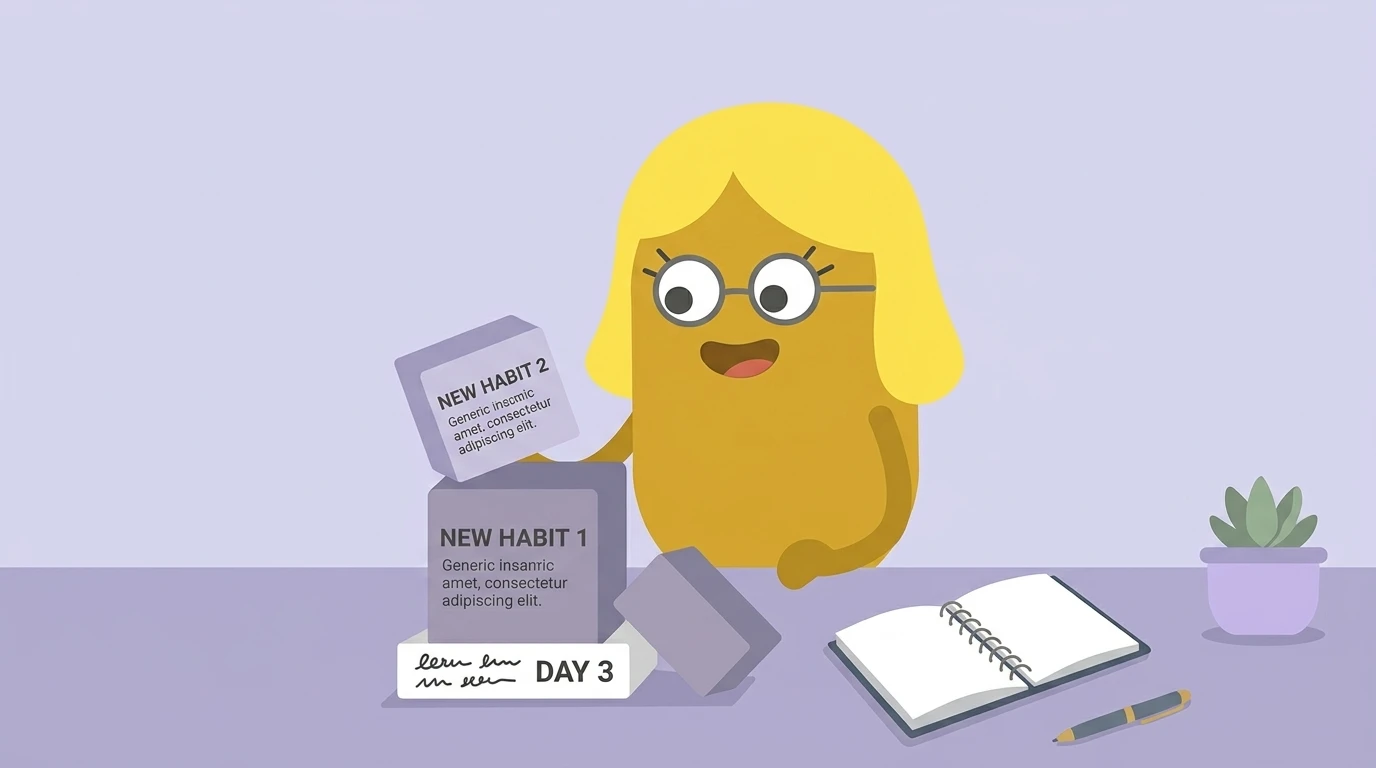
Habit stacking is a behavior change technique that links a new habit to an existing routine, making the new behavior automatic over time. Here's how to use it effectively, common mistakes that cause it to fail, and examples you can apply today.

It takes an average of 66 days to form a habit, not 21. A 2009 UCL study by Phillippa Lally found the real range is 18 to 254 days, depending on the behavior's complexity. Here's what the research actually says.