
How to Get Motivated to Do Homework When You Just Don't Want To
Homework is boring, assigned, and has no consequence for skipping it tonight. Learn why that specific setup kills motivation, and a plan proven to fix it.
Rachel SteinRead →

9 posts tagged with "habits"
Next time you search, our newest guide shows up.
Homework is boring, assigned, and has no consequence for skipping it tonight. Learn why that specific setup kills motivation, and a plan proven to fix it.
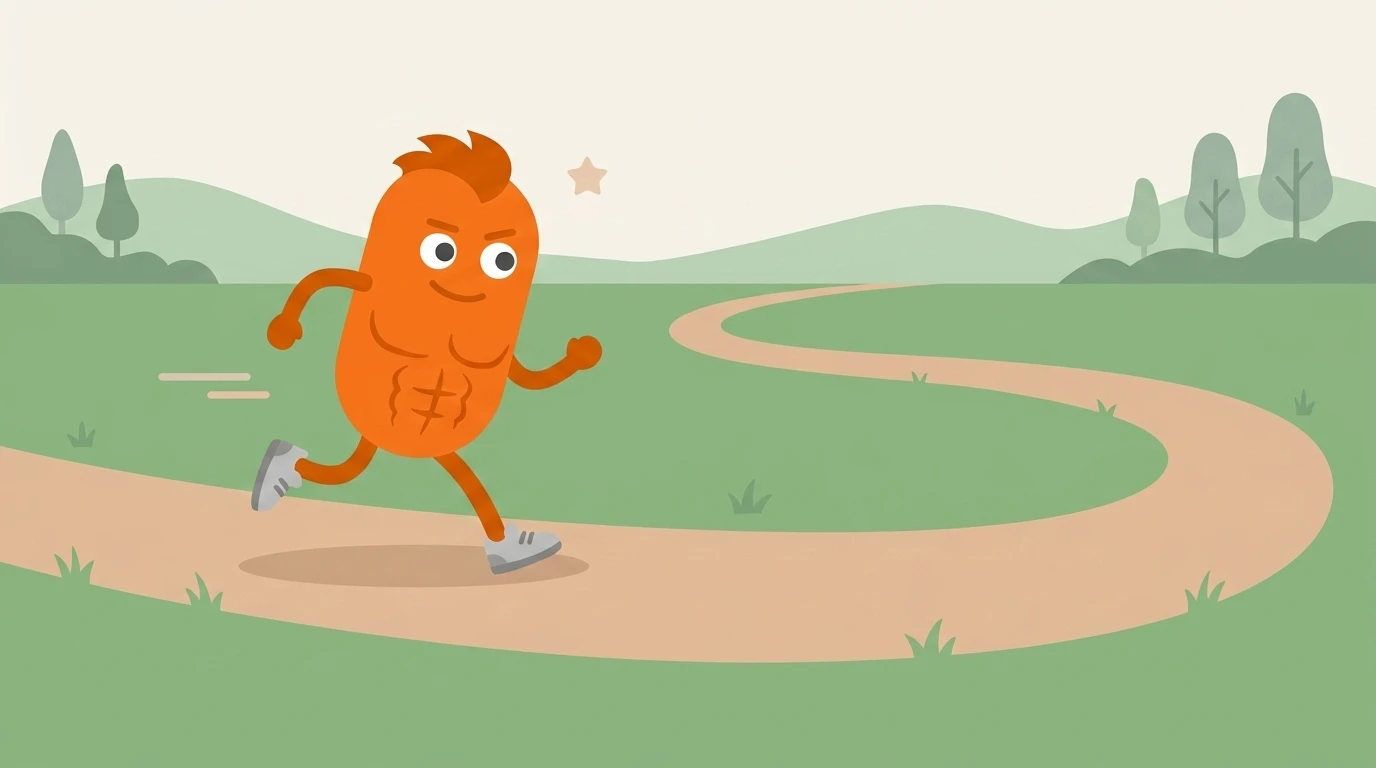
The research on exercise and ADHD is real, but it's not the vague 'movement helps' story you've heard. Here's what specific activity types actually change, and why the harder problem is doing it again tomorrow.
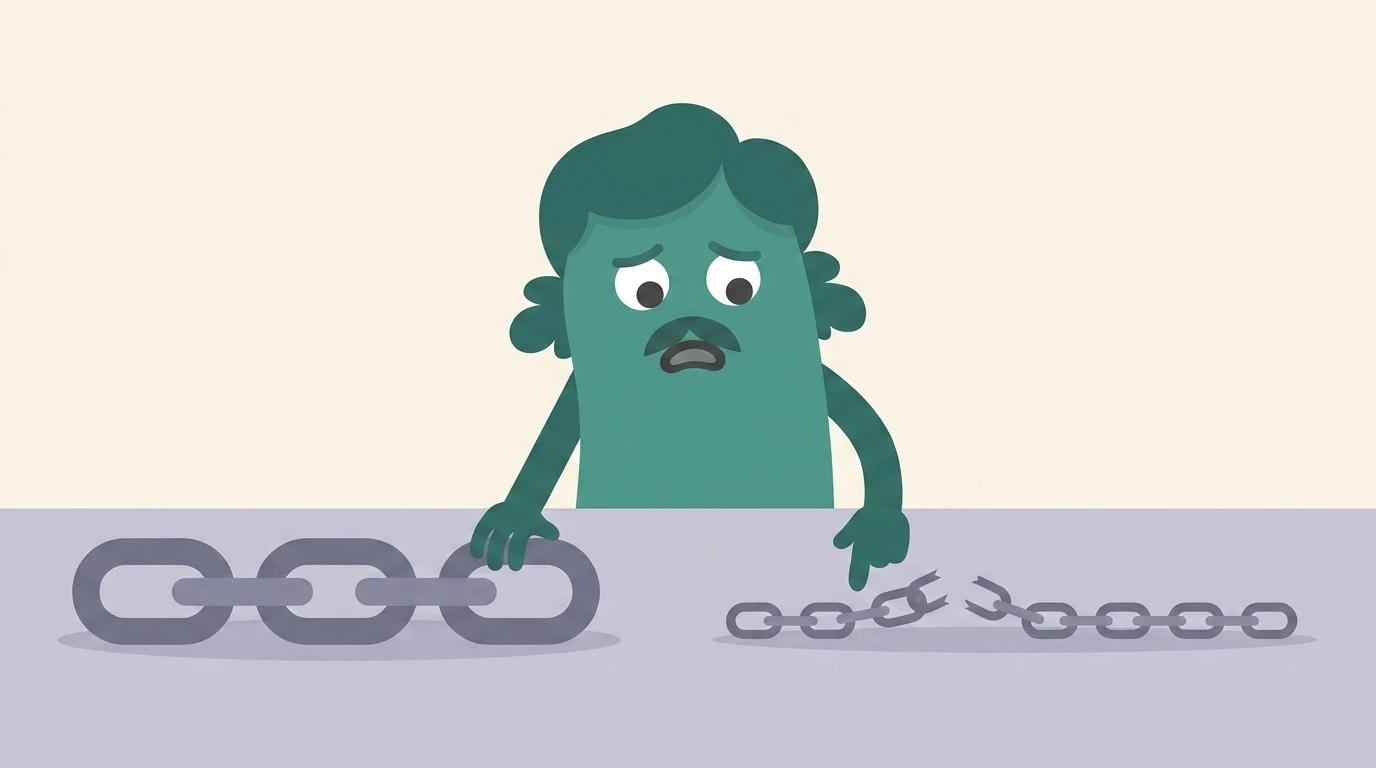
Most ADHD routines are designed for a version of you that shows up maybe once a week. Here's how to build one for the version who shows up every day.
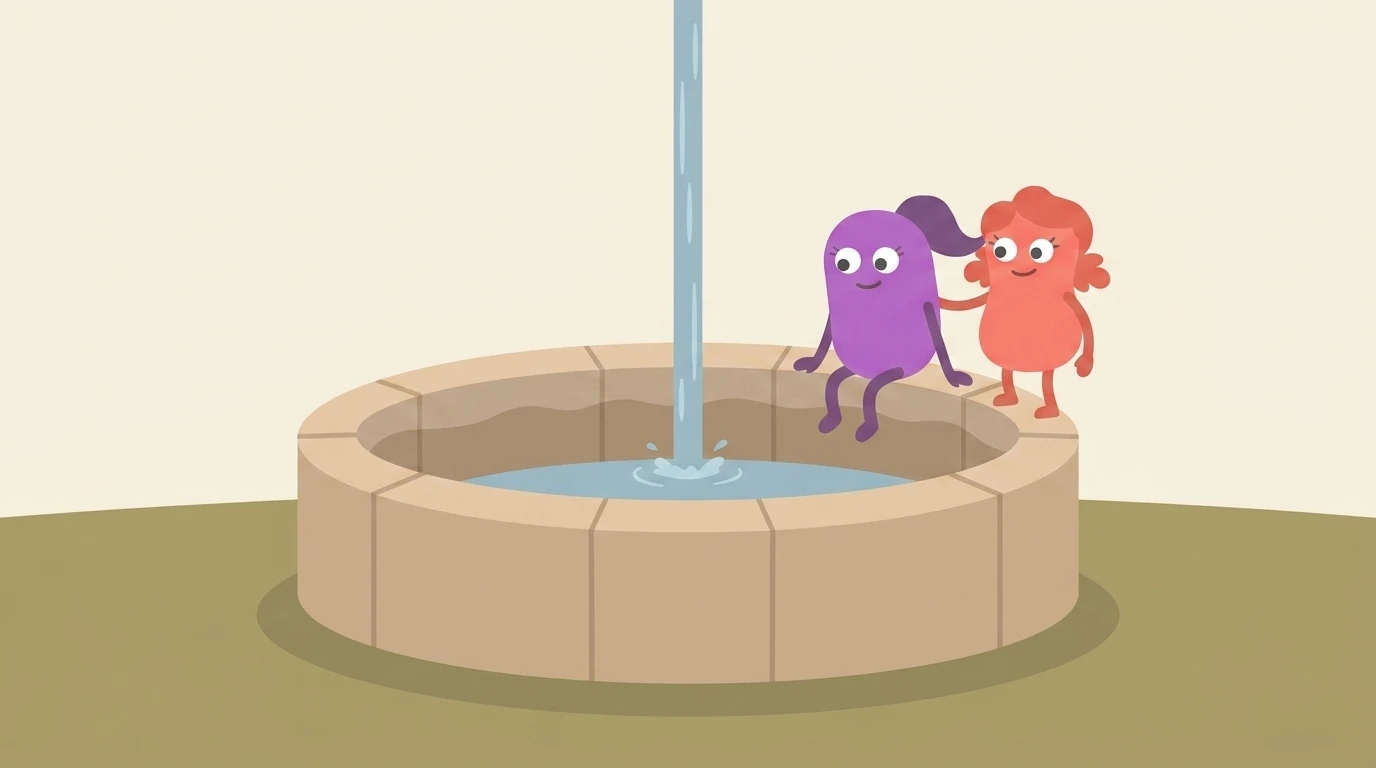
Self-control is not a personality trait or a system you build once. Research shows it behaves like a resource that depletes, refills, and shifts with the time of day.
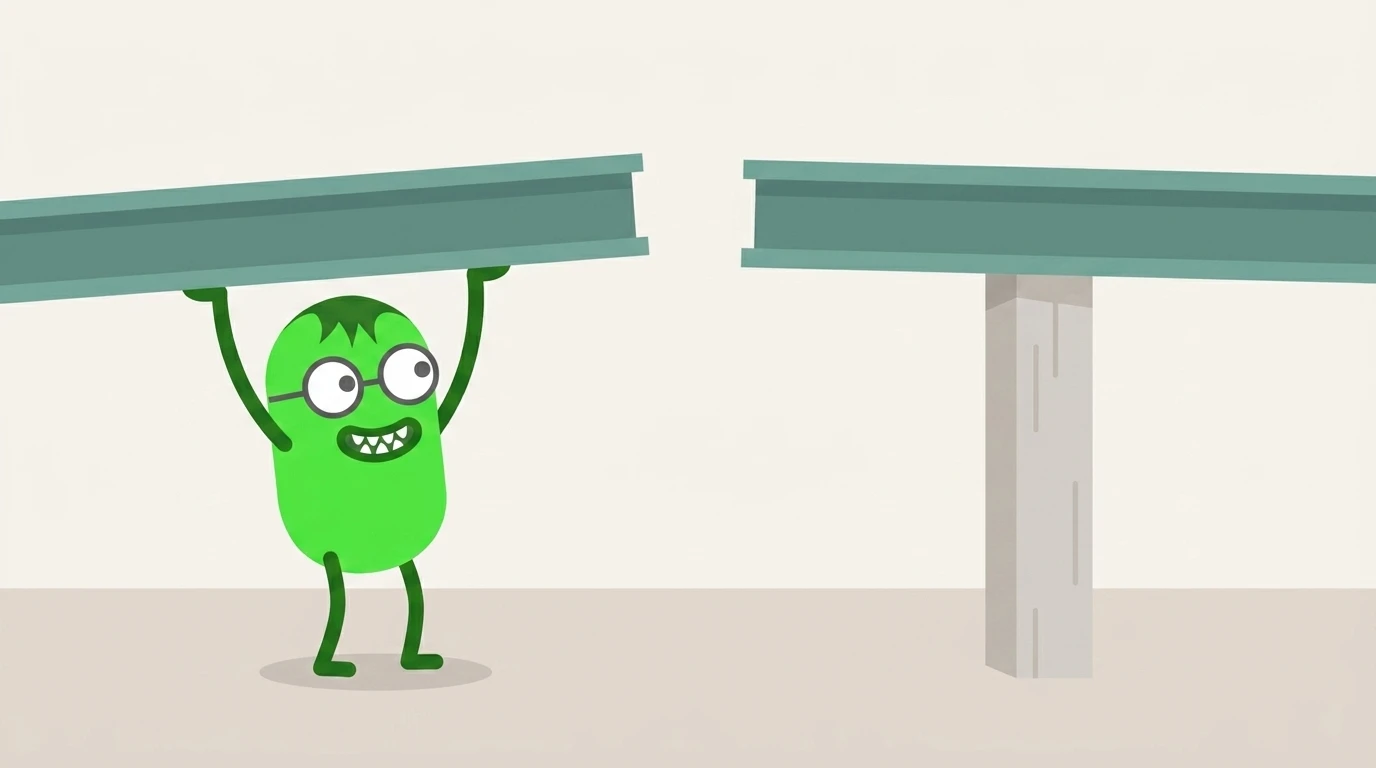
Discipline is not a personality trait you either have or lack. It is a depletable, trainable resource, and the research shows what actually depletes and rebuilds it.
Tiny Habits fits the ADHD brain because it removes the two things that stop you: the size of the task and the wait for a reward. Anchor a two-second behavior, then celebrate instantly for a dopamine hit on day one.

Tiny Habits and Atomic Habits agree that small actions beat big goals. They differ on the engine: Fogg builds habits with immediate emotion (celebration), while Clear builds them with cues, cravings, and identity.
The Tiny Habits method builds lasting habits with three steps: anchor a tiny behavior to a routine you already do, make it small enough to be easy, and celebrate the moment you finish.

It takes an average of 66 days to form a habit, not 21. A 2009 UCL study by Phillippa Lally found the real range is 18 to 254 days, depending on the behavior's complexity. Here's what the research actually says.